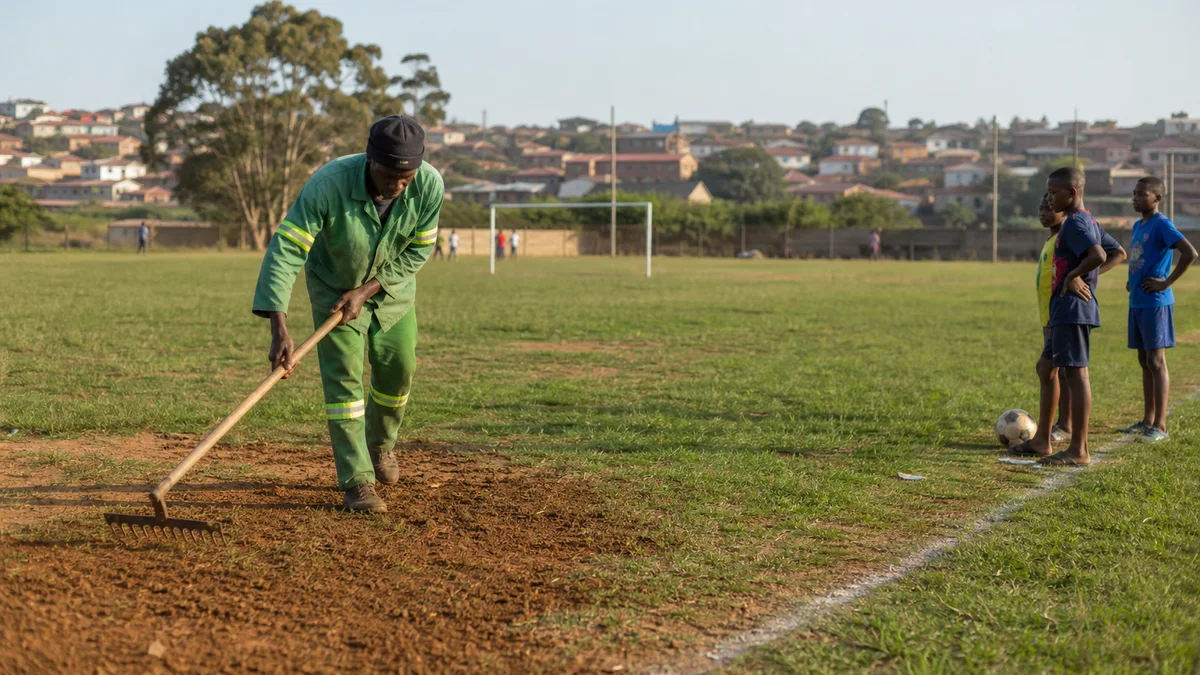
Community pitches are the practical test of World Cup legacy
New attention matters more when local children can find safe, maintained places to play every week.

World Cup 2026 explainers, match context, African team angles and tournament logistics.
New attention matters more when local children can find safe, maintained places to play every week.

Language, safety and crowd-support experience can become a job asset when cities document it properly.
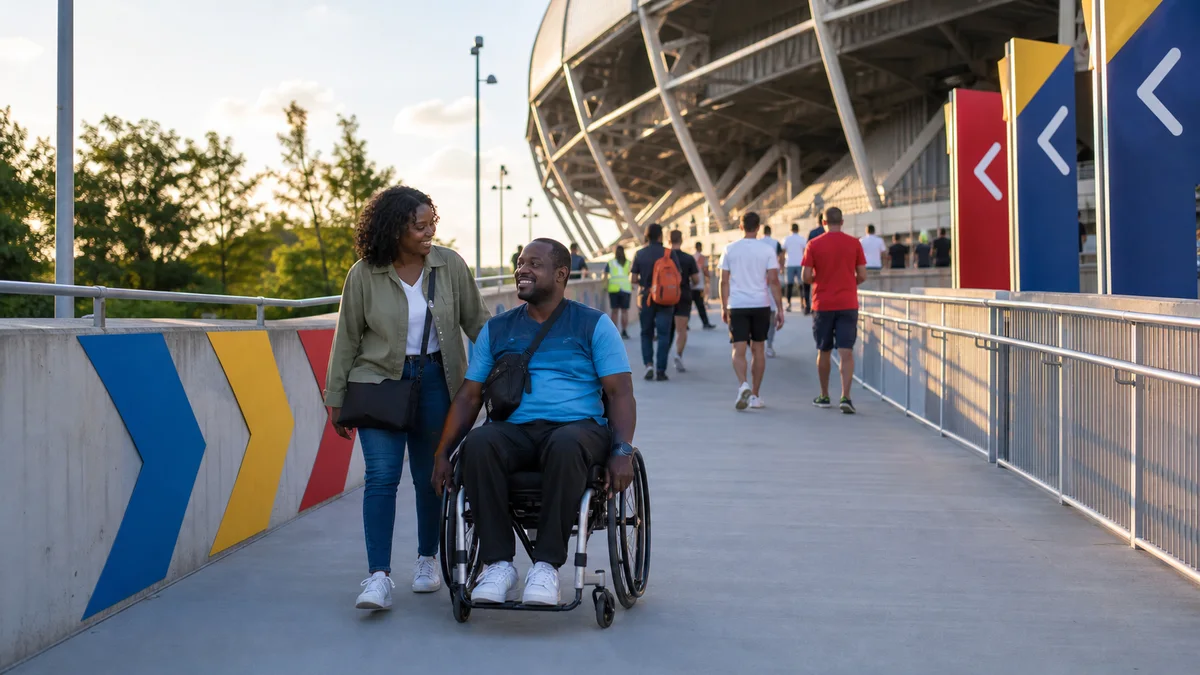
A stadium legacy should be measured by whether disabled supporters can plan, travel and enter with confidence.

A 48-team tournament opened more doors, but the month also showed why recovery, scouting and bench structure matter as much as a bigger field.

Final-week prices made the pressure obvious, and fans should treat official accounts, visible fees and written records as basic safety tools.
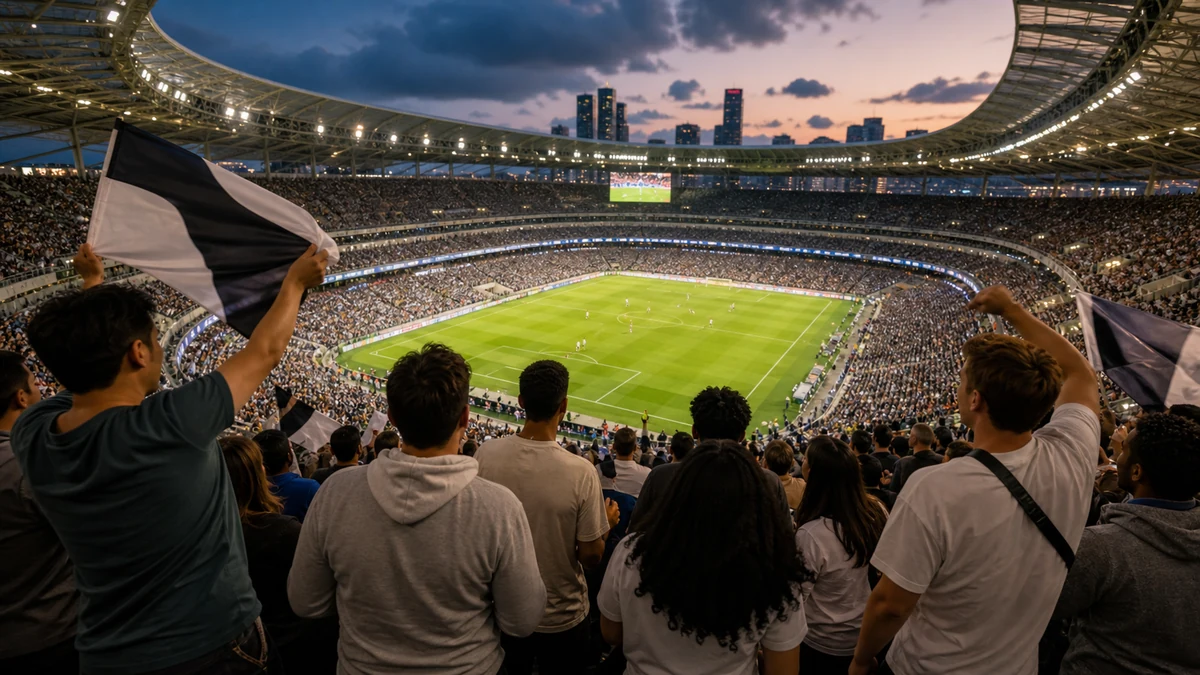
Spain lifted the trophy against Argentina, but the larger lesson is how cities, broadcasters and grassroots programs handle attention after the final whistle.

Forty-eight teams, 104 matches and an extra knockout round mean ambitious federations need deeper files, better data and earlier travel planning.
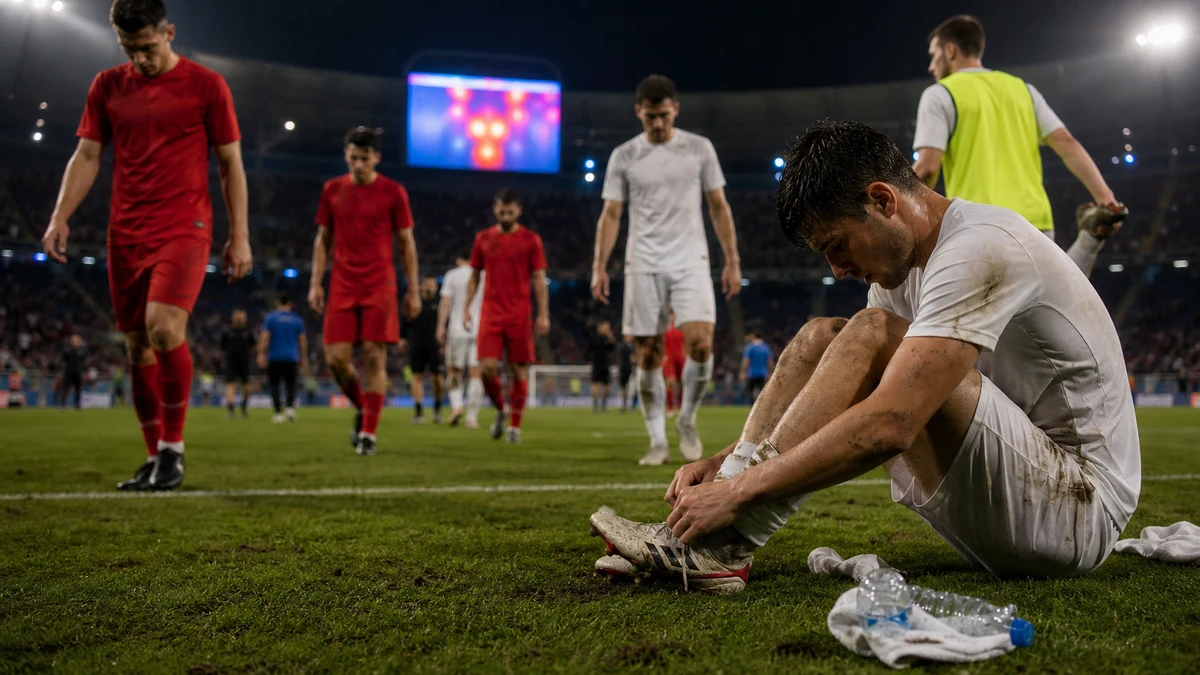
England's 6-4 win over France turned a consolation fixture into a sharp lesson about fatigue, rotation and late-tournament depth.
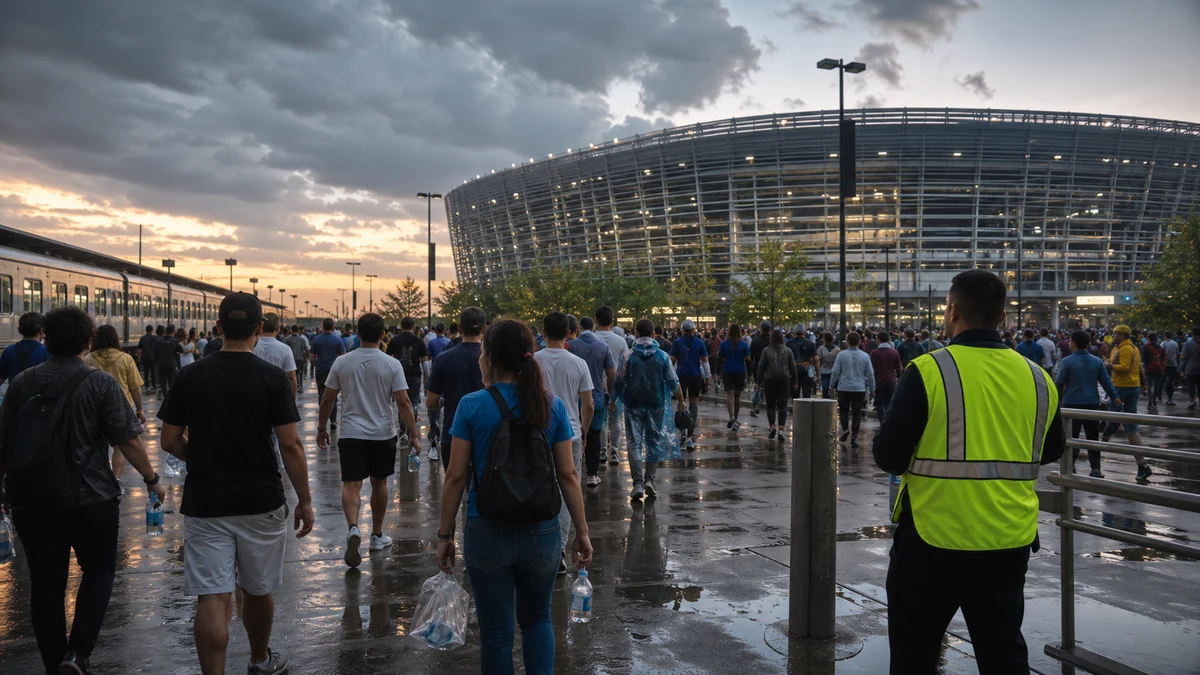
Argentina and Spain meet on July 19, but supporters also need a clear plan for smoke alerts, stadium exits and the trip home.
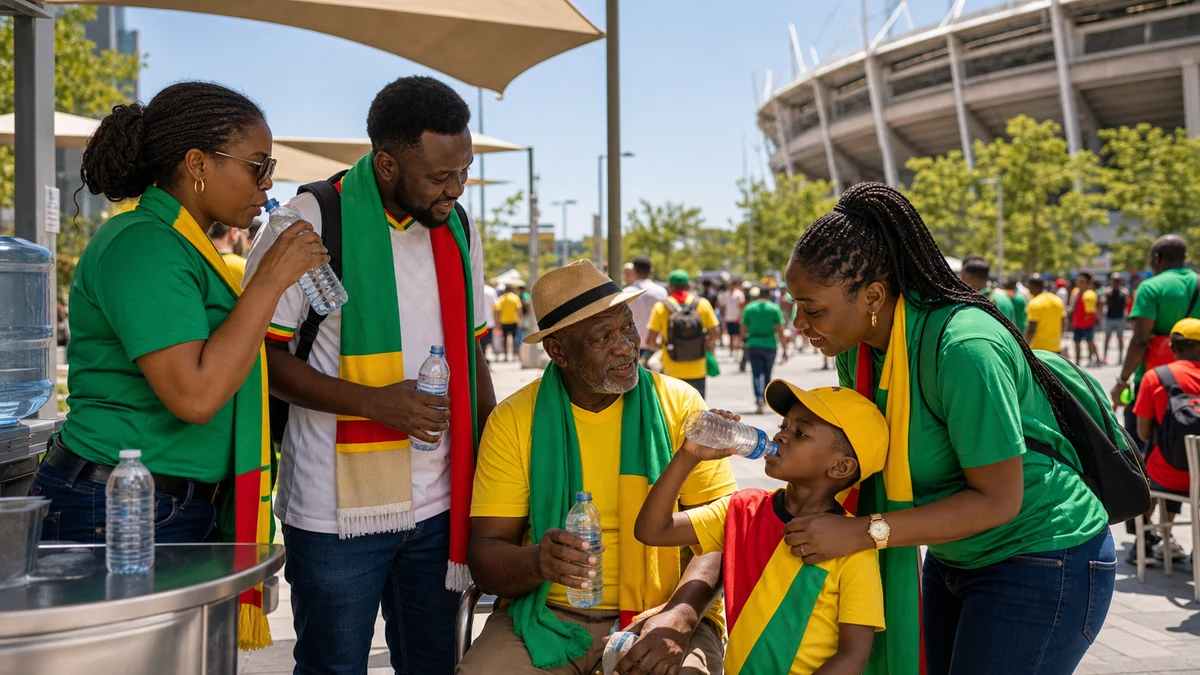
Water, shade, rest and timing can protect fans who may spend long hours in crowds before and after matches.

A team may leave the field unsure whether its result is enough because other groups can still change the path.
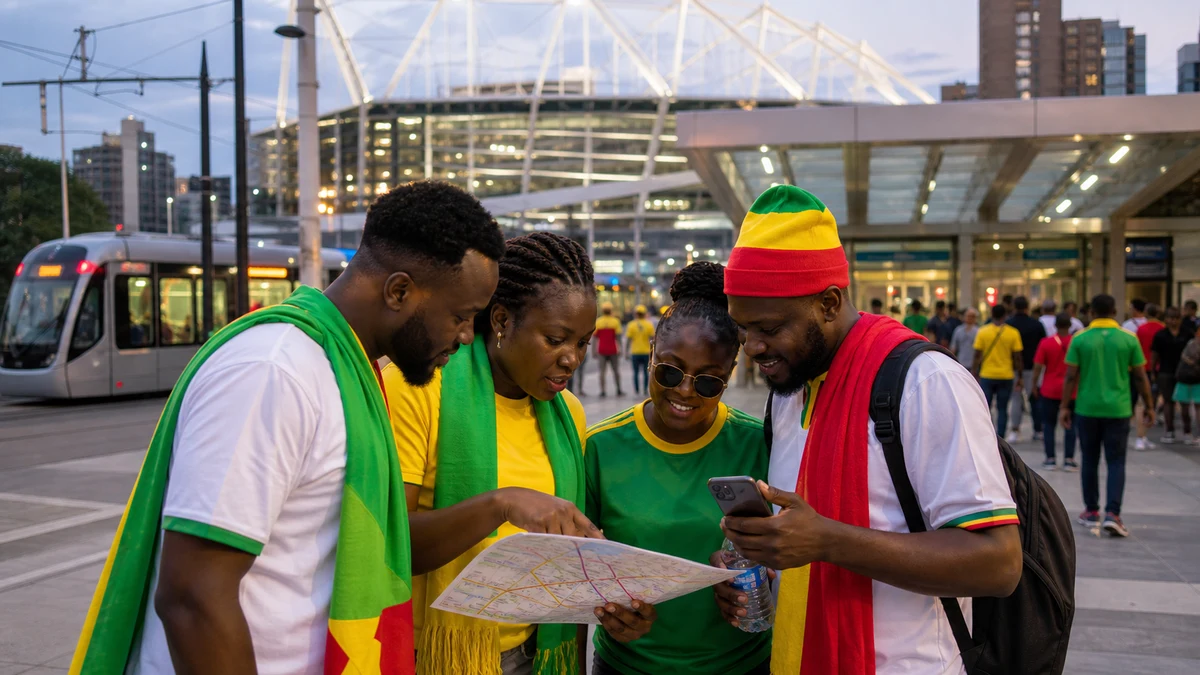
The tournament spreads across three countries, so the cheapest room is not always the easiest match-day plan.

Forty-eight teams, 12 groups and a round of 32 mean fans need clear points, goal difference and tie-breakers.
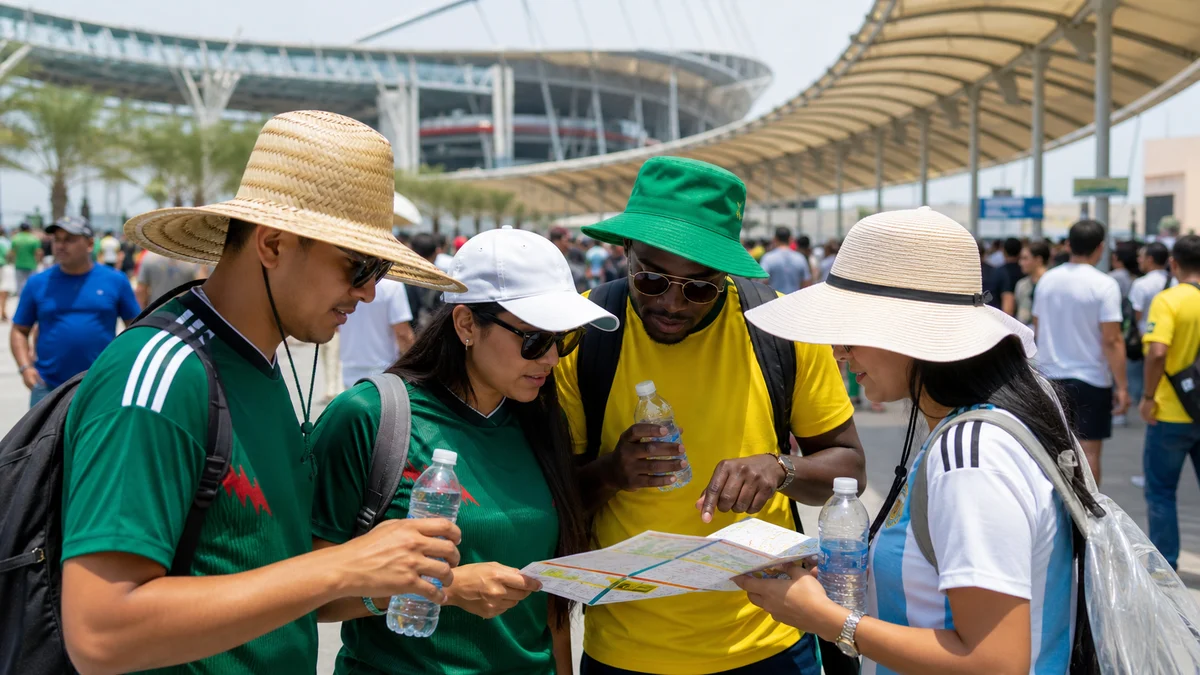
Fans in stadiums and at home need water, sleep and timing plans as matches move across several time zones.
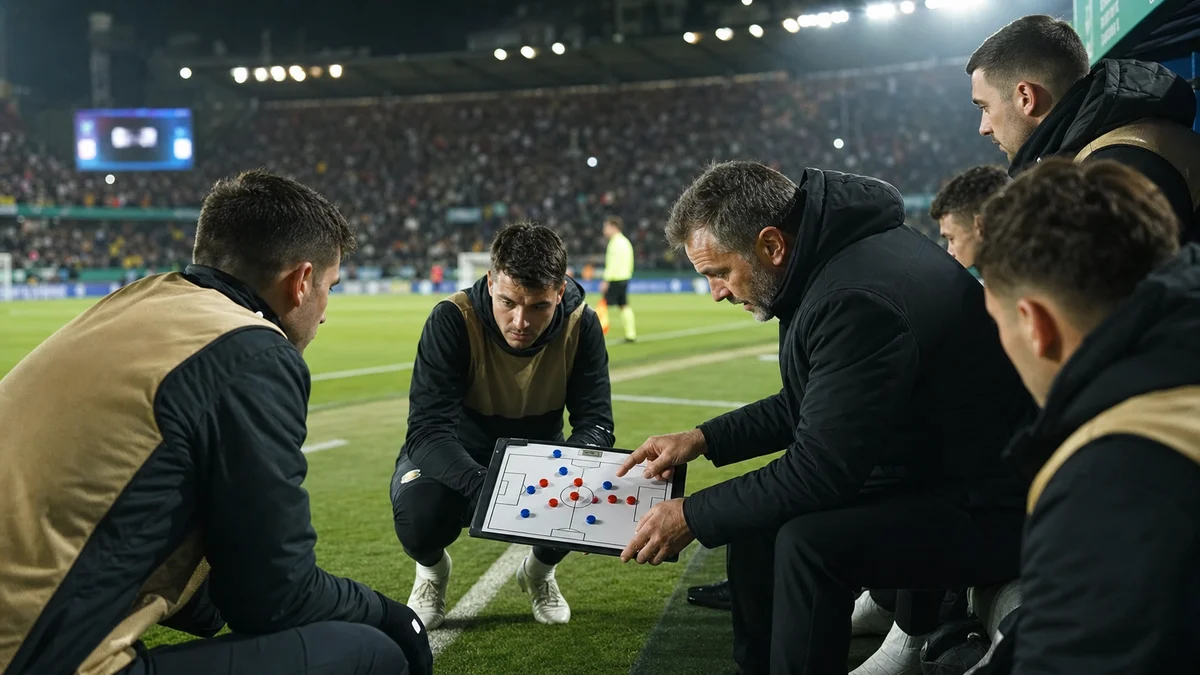
Late substitutions, cards and tired legs can turn a one-goal lead into a tactical exam, not just a scoreline.

Tickets, hotels, flights and city transport can make a trip expensive before matchday even arrives.
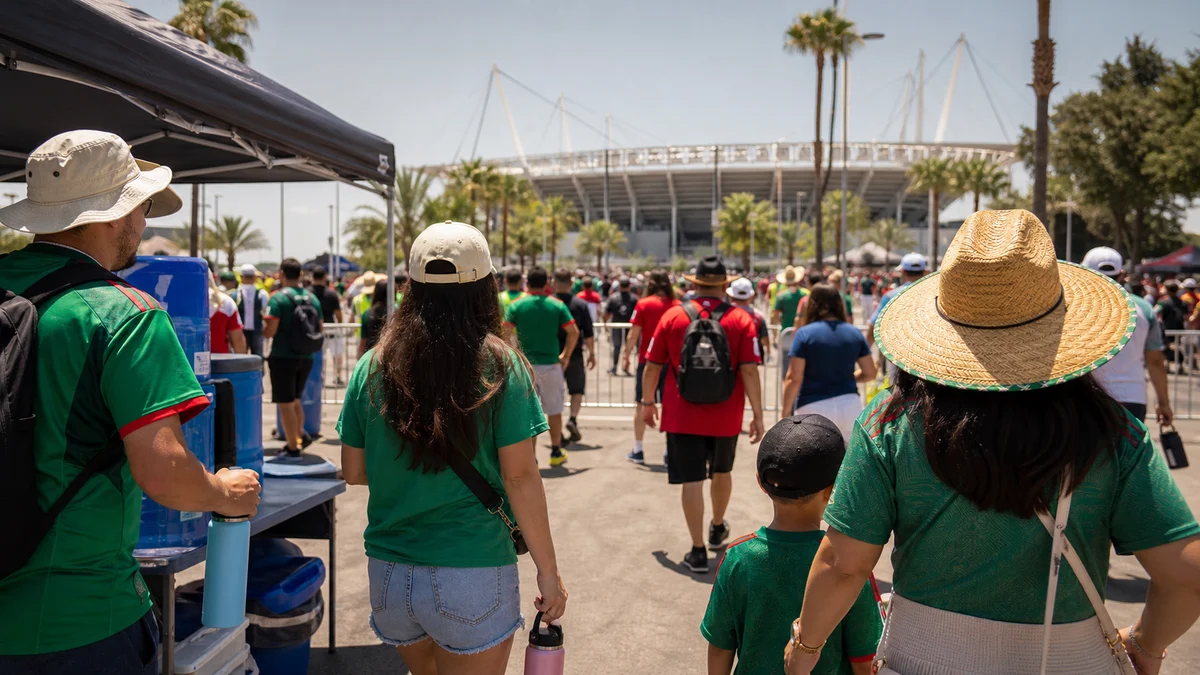
Summer matches, queues and city travel mean supporters need water, shade and realistic timing before kickoff arrives.
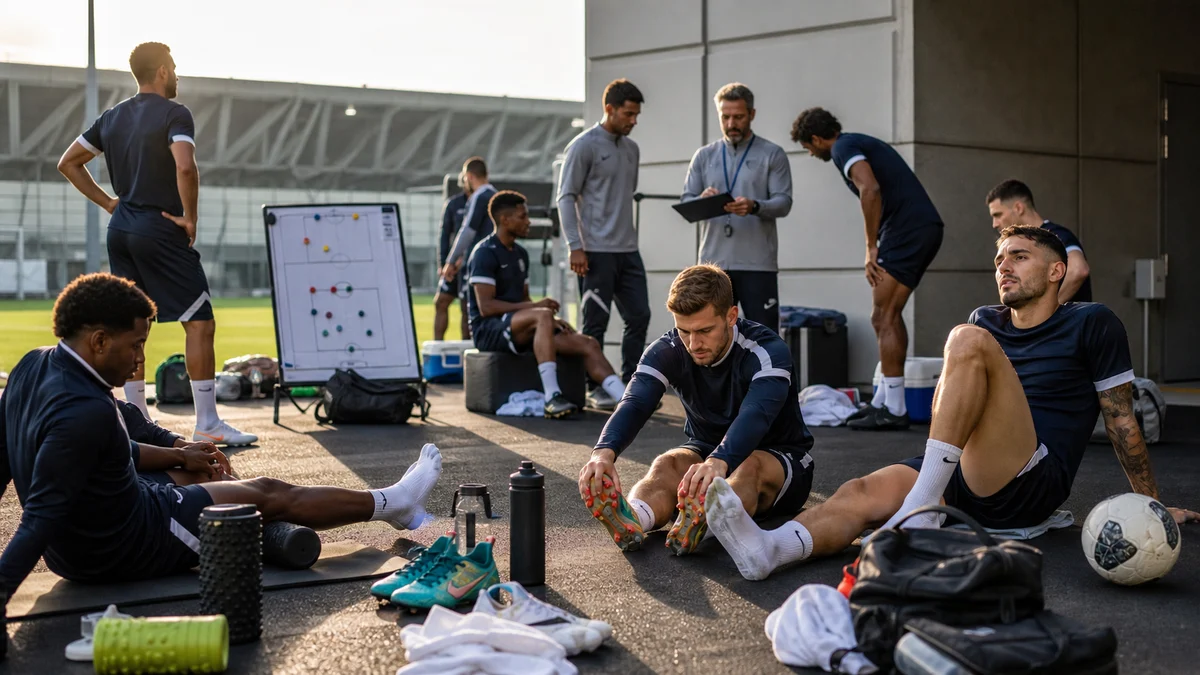
The round of 32, travel and recovery windows mean coaches need a physical plan before tactics can fully work.
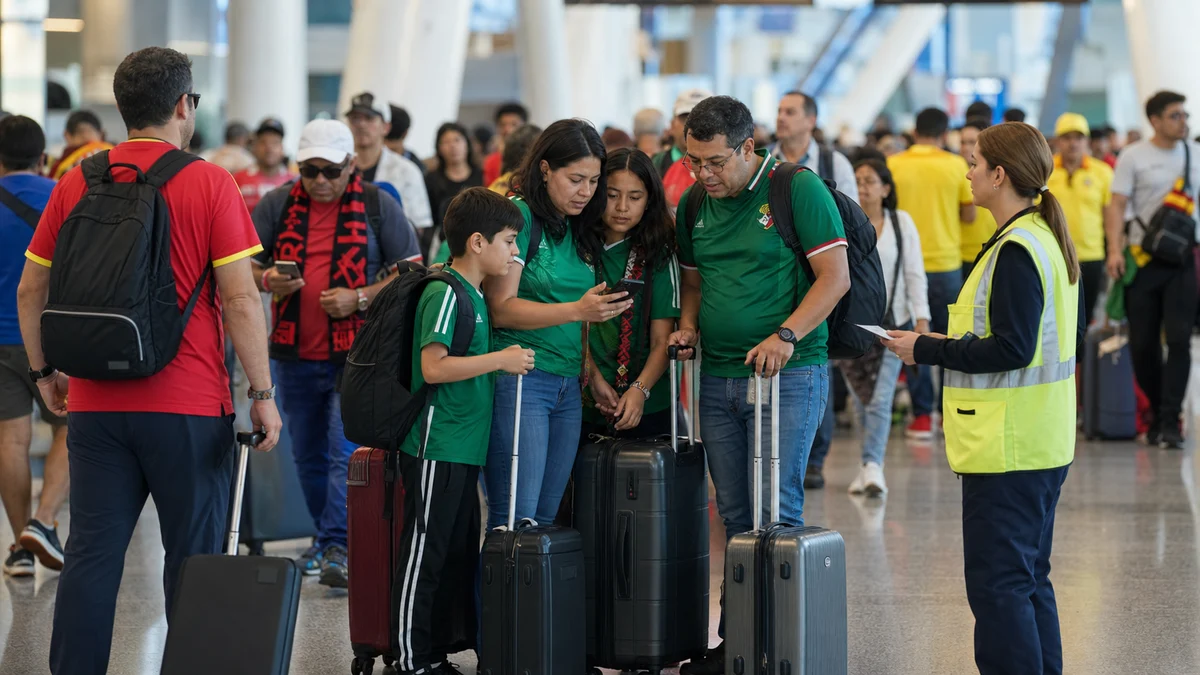
Many cities, time zones and ticket pressure mean the fan experience starts with planning long before match day.

The expanded format gives more teams a route forward, but the third-place table can make every goal and card matter.
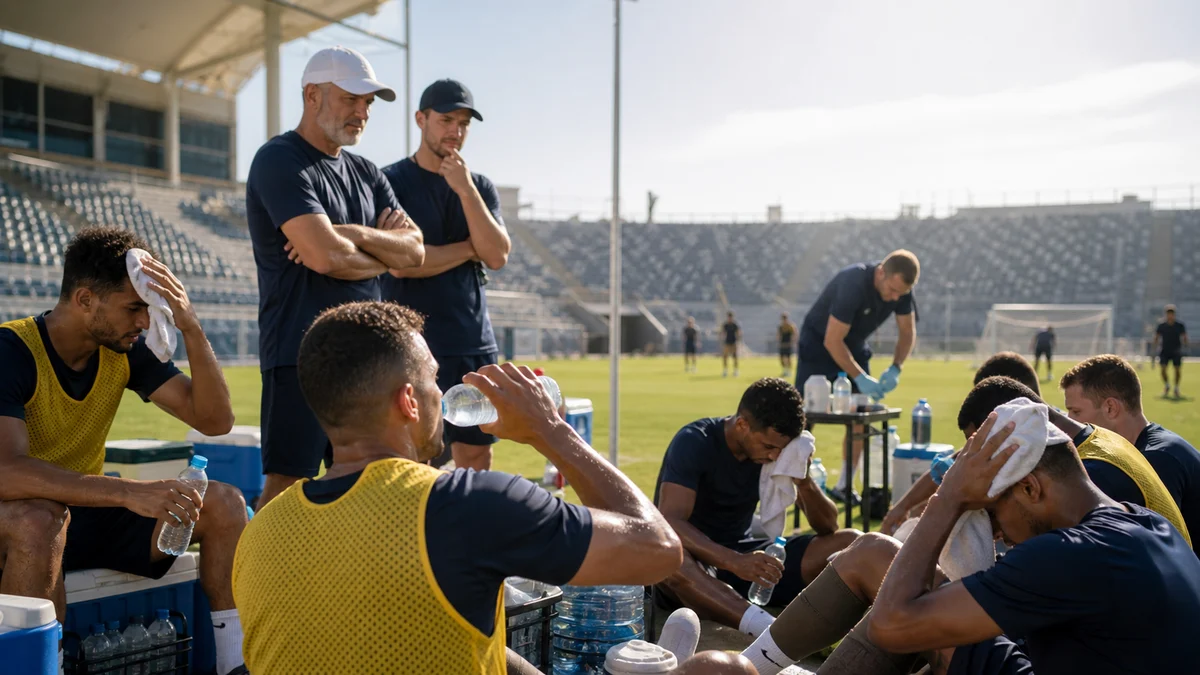
A larger tournament across many climates will reward squads that manage rest, hydration and rotation with discipline.
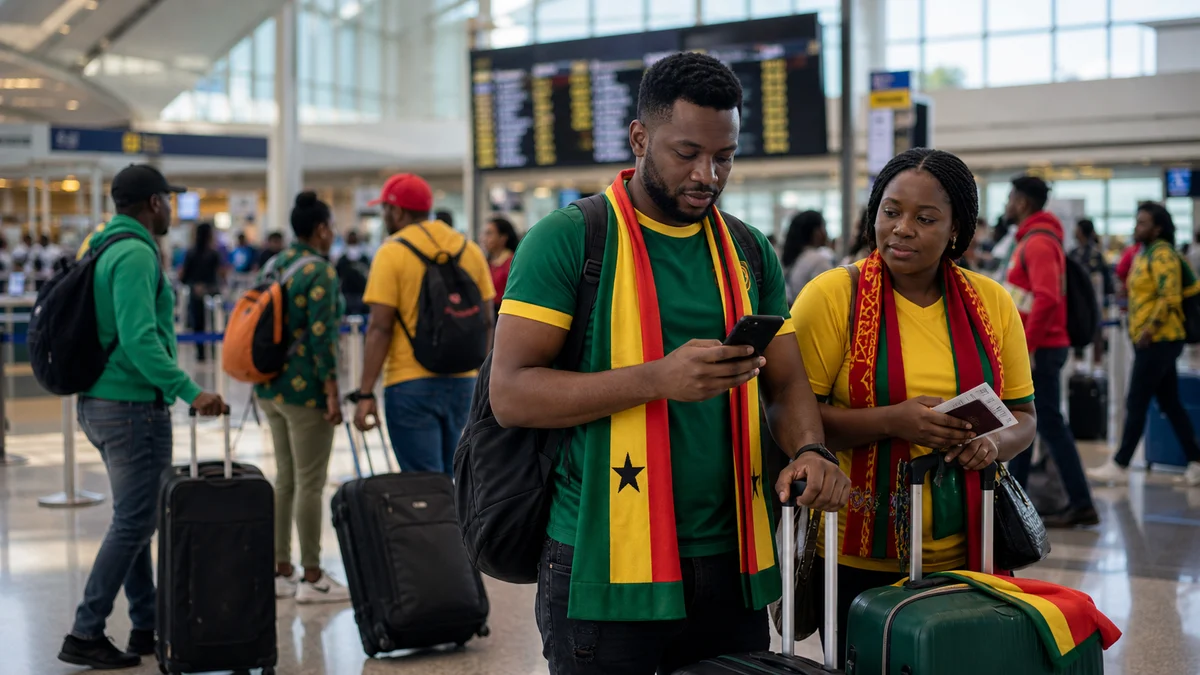
Tickets, visas, hotels, distances and match timing can shape the supporter experience as much as the ninety minutes.

The expanded tournament gives more countries a path forward, but third-place races and goal difference can punish one careless finish.
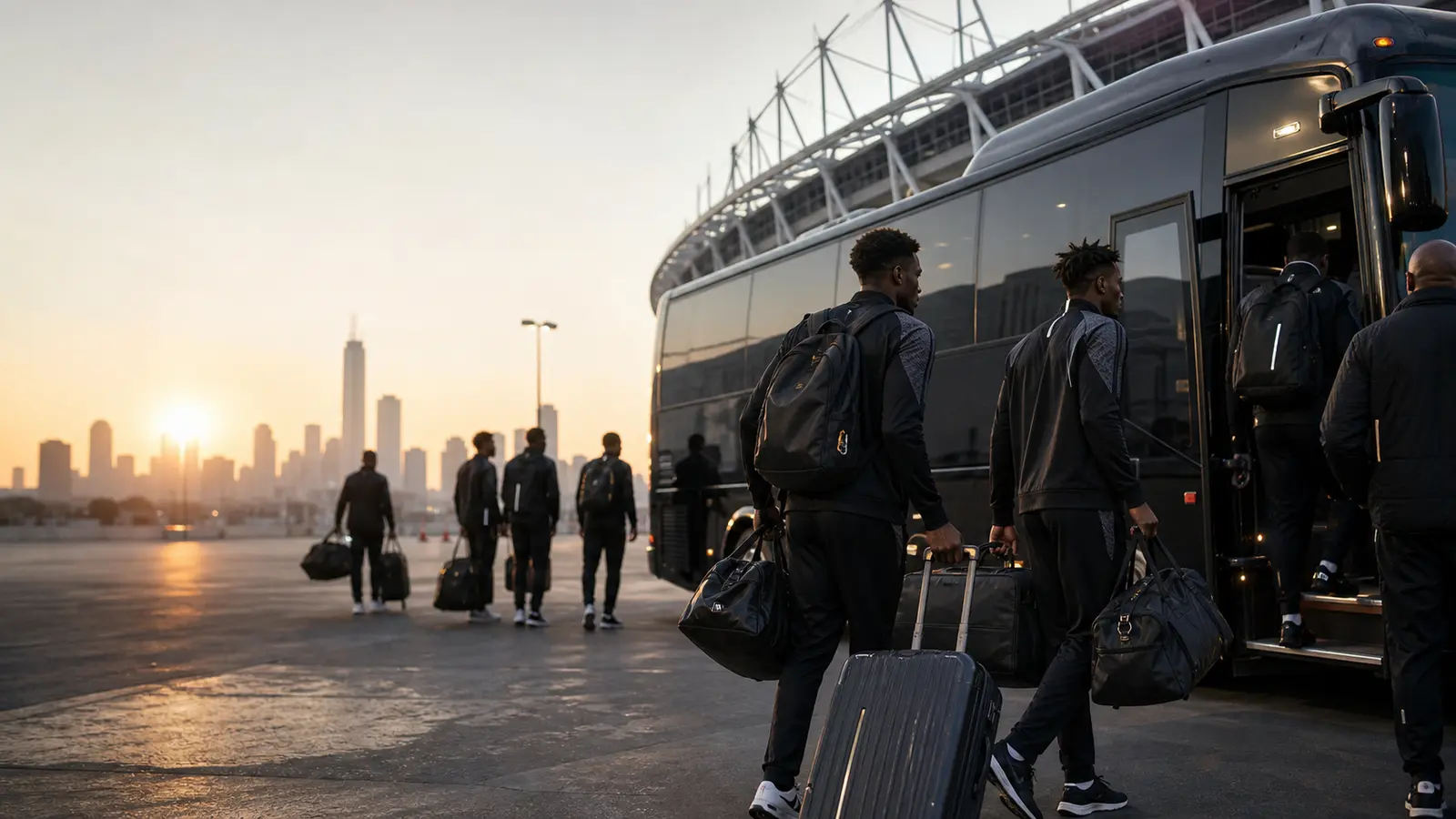
Three host countries, many cities and 104 matches make logistics a major part of the tournament story.
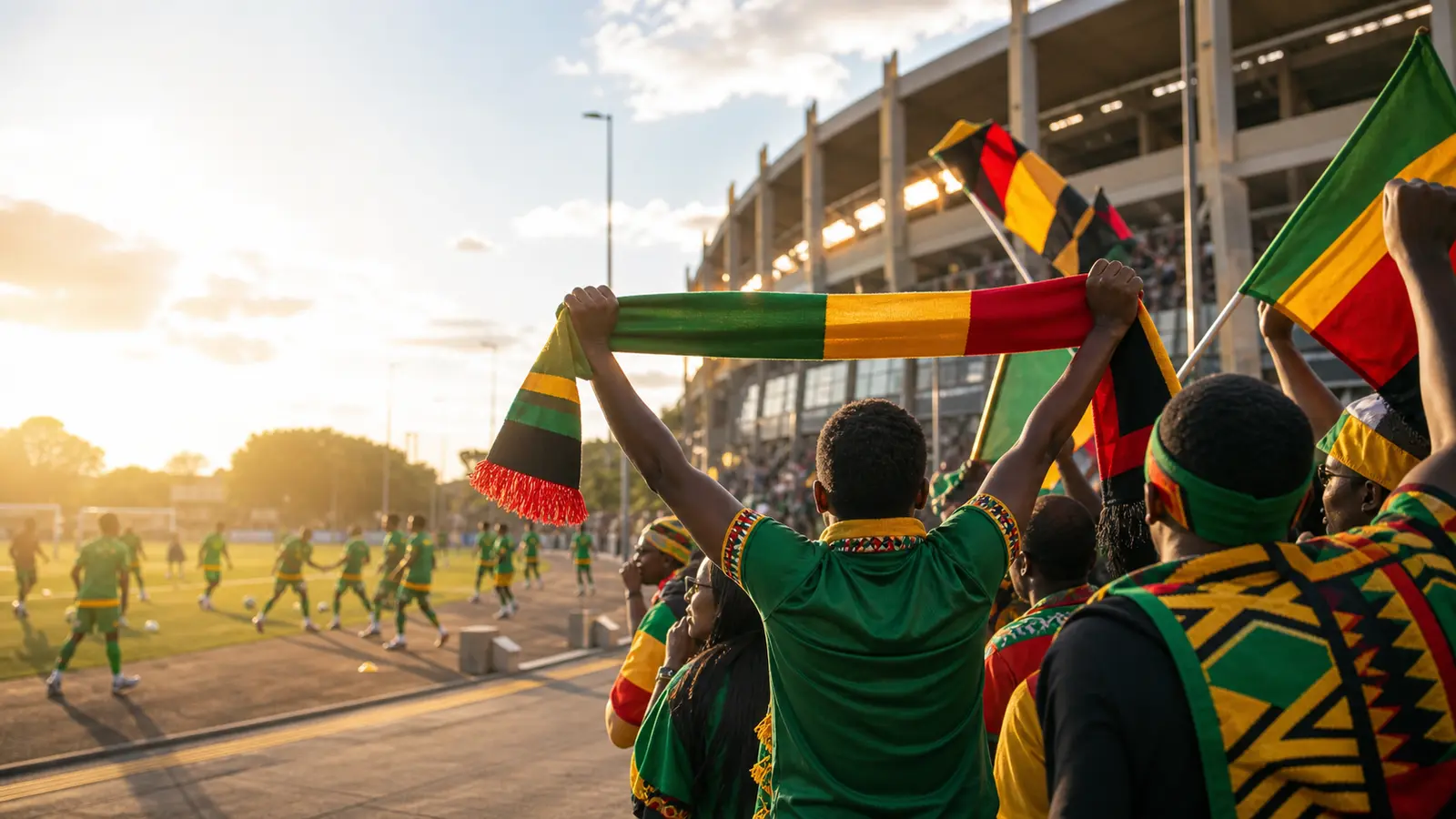
More CAF places create hope, yet the 2026 tournament will test travel planning, squad depth and tactical discipline.

With 48 teams, 12 groups and a round of 32, the tournament rewards depth, planning and calm decision-making from the first match.

Early matches showed that this tournament may be difficult to predict, with favorites already facing pressure.
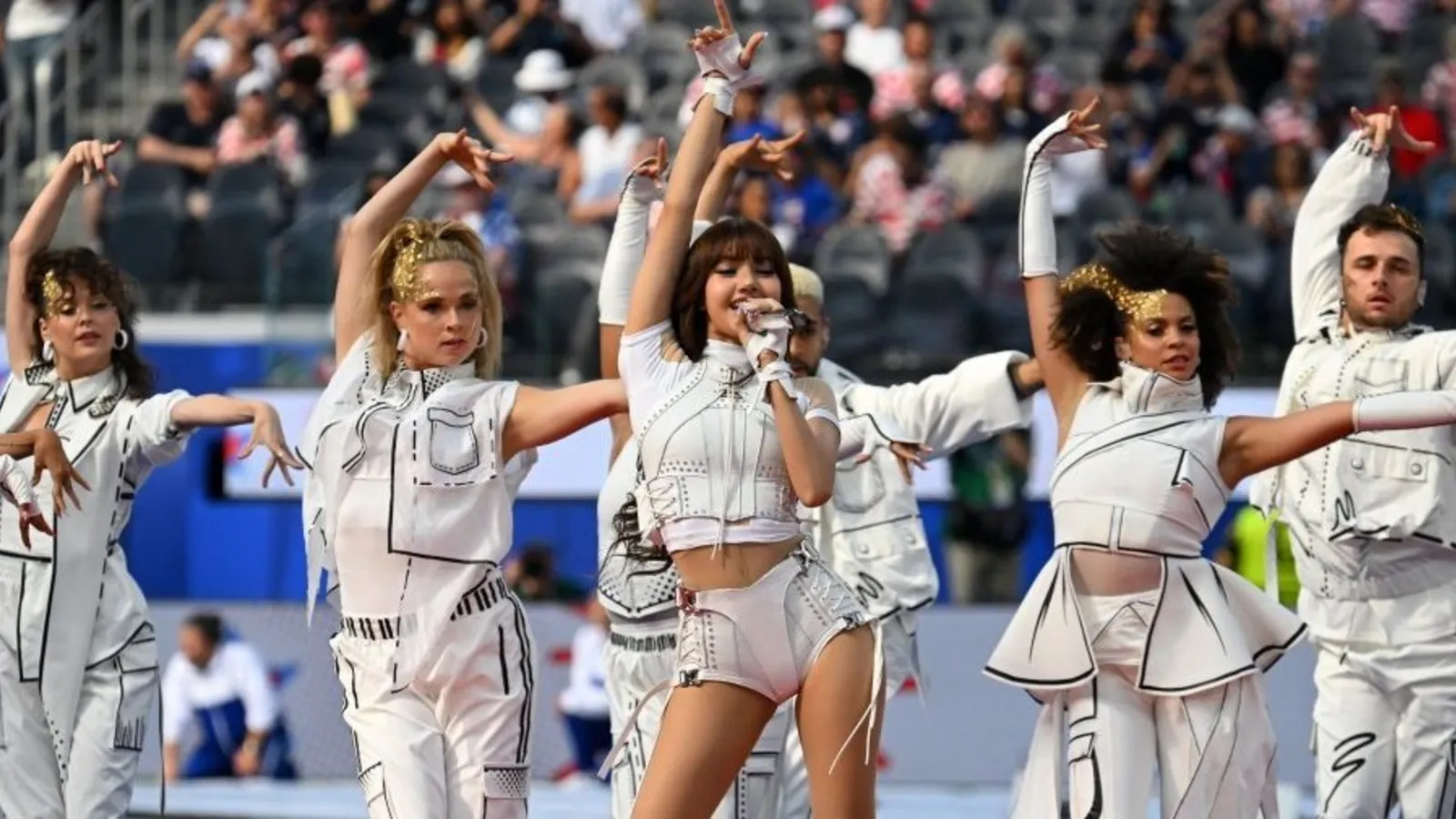
The opening ceremony mixed football, music and culture before the tournament began in Los Angeles.

The young winger helped Australia turn a difficult World Cup match into a statement win.
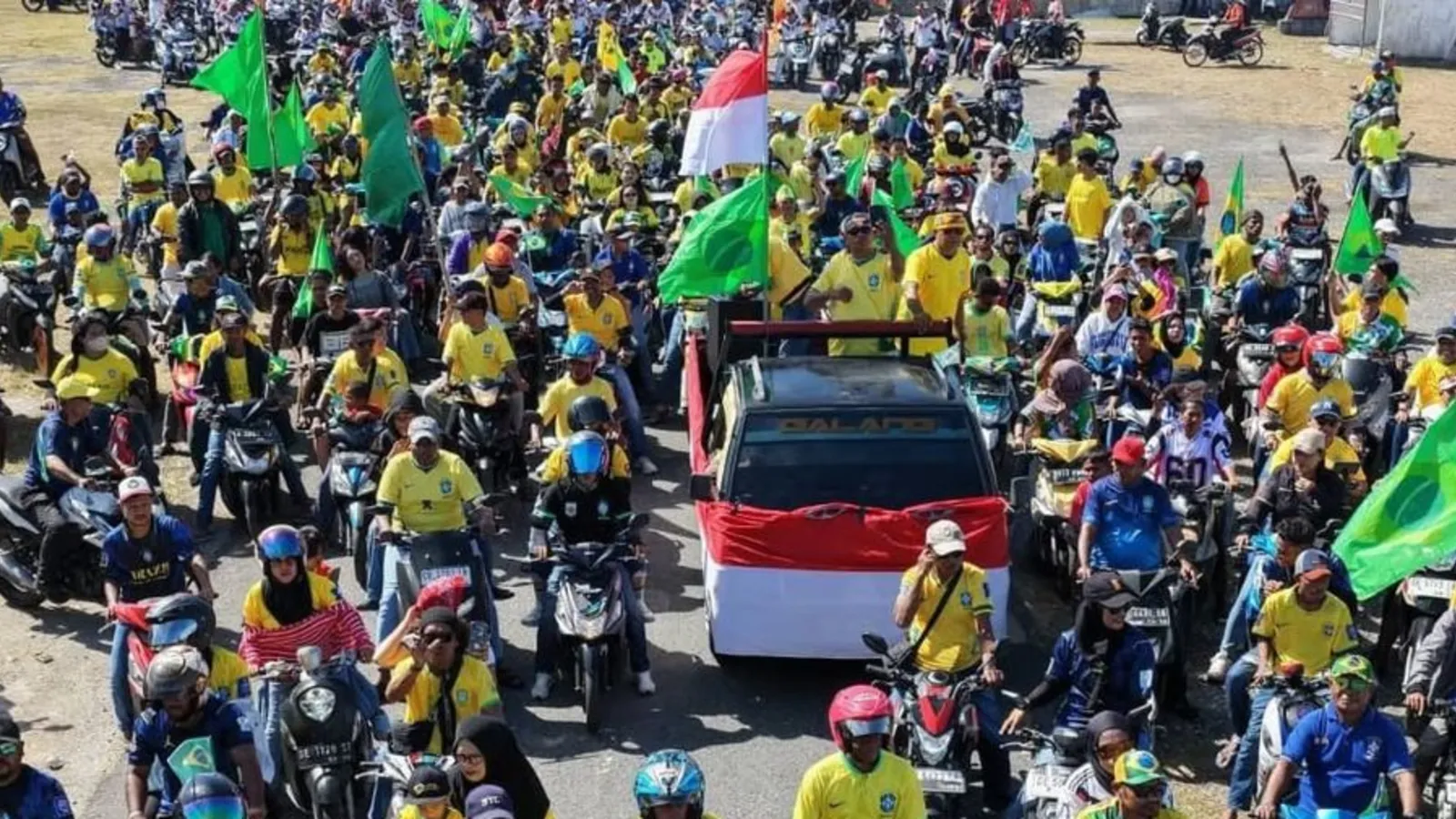
With 48 teams across the United States, Canada and Mexico, travel, climate, depth and planning may matter more than ever.