World Cup 2026 will send supporters across Canada, Mexico and the United States, but the biggest travel problem may not be the flight. Where a fan sleeps, how far that room is from the stadium, what happens when thousands of people leave together and how late trains or buses run can decide whether a match day feels joyful or exhausting.
The trap is that a cheaper room can hide a longer route. A supporter may save money at booking and then spend it on late rides, missed connections or extra time away from family. The useful comparison is not hotel price against hotel price. It is the full door-to-seat journey, including the return trip after the final whistle.
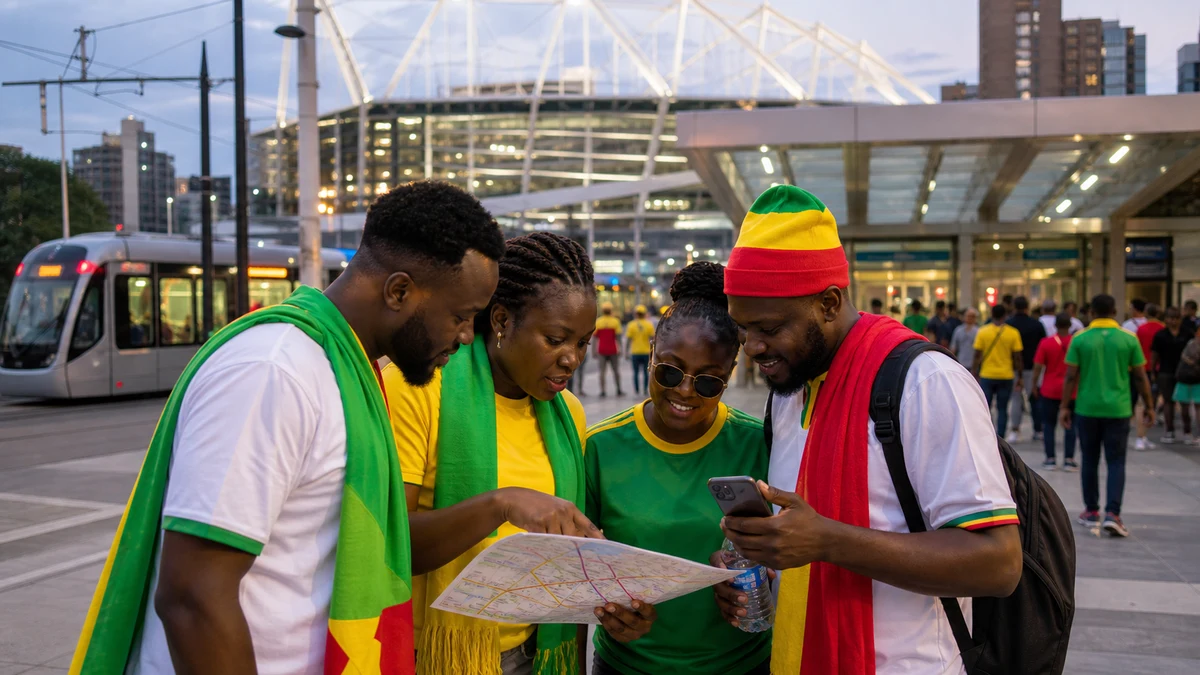
A better plan starts with two maps. The first is the match-day map: lodging, transit stop, meeting point, stadium gate and return route. The second is the rest-day map: food, pharmacy, clinic, a quiet meeting place and a contact plan if someone gets separated. This sounds simple, but it prevents the crowd from making every decision under pressure.
African diaspora groups can make the trip safer by sharing one trusted update channel. When a group agrees where schedule changes, meeting points and emergency contacts will be posted, it becomes harder for ticket sellers, ride scammers or panic messages to take control of the day. A clear plan is a quiet form of protection.
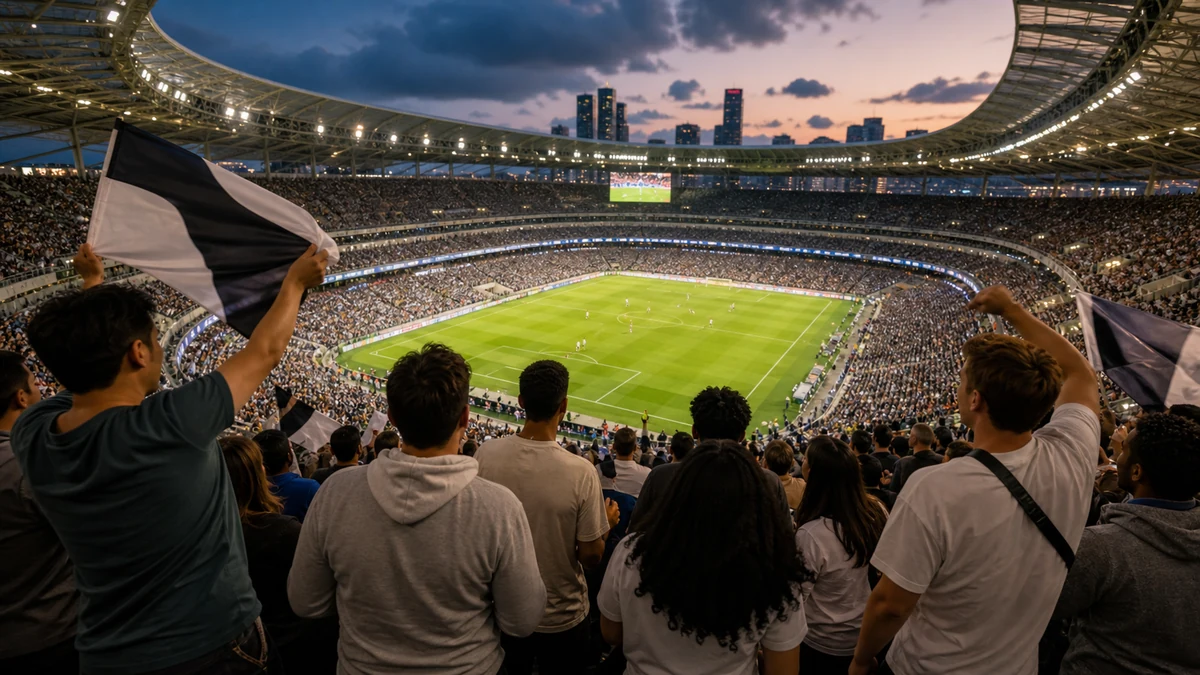
Teams also benefit when supporters arrive early and calm. The noise and color that fans bring works best when people are already inside the stadium instead of fighting traffic or looking for the correct gate. Host-city transport is not background detail. It shapes the atmosphere around the match.
The key question before buying is not only whether the ticket is affordable. It is: after the match, how do I get back safely and without surprise costs? If that answer is clear, the trip has a better chance of becoming a memory instead of a logistical problem.