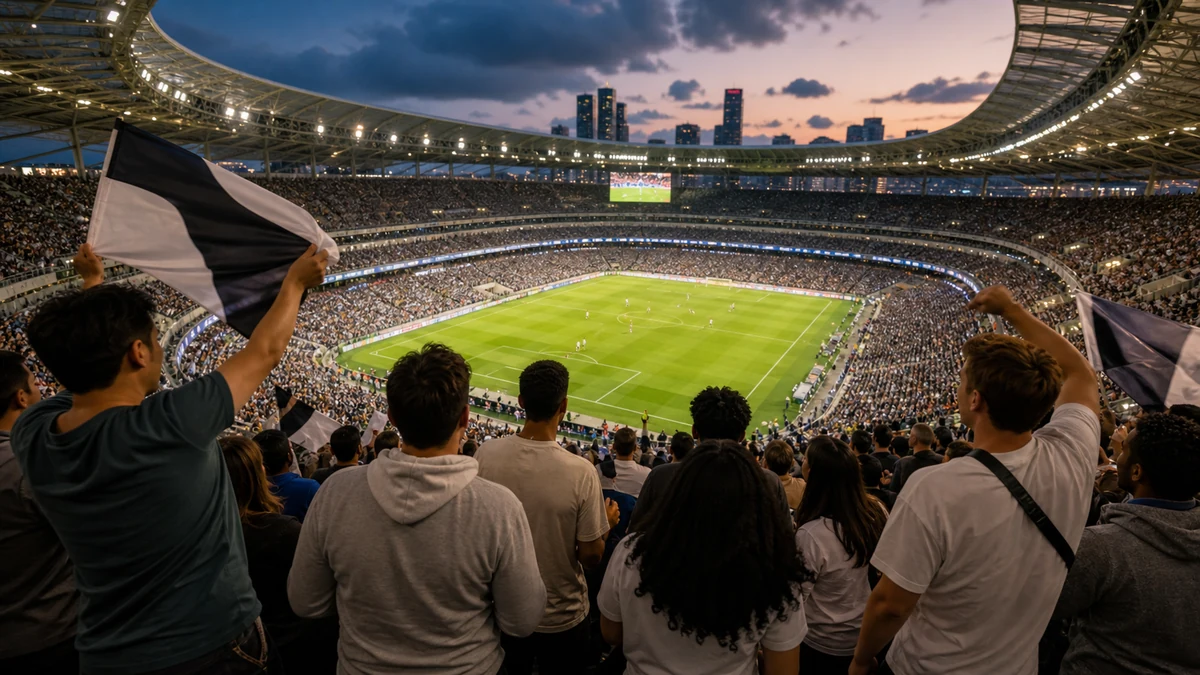
The World Cup 2026 final has reached New York New Jersey on July 19, with FIFA listing Spain against Argentina at New York New Jersey Stadium. The story is larger than the match itself because supporters from many countries are gathering around a huge stadium and a busy metropolitan area. Whether the day feels joyful or chaotic will depend on transport planning, air-quality updates and calm crowd decisions.
Fresh reports say thunderstorms should clear much of the Canadian wildfire smoke that had affected parts of the northeastern United States, but air quality is still not background noise. People with asthma, heart conditions, pregnancy concerns, young children or older relatives should check official air-quality readings before waiting outdoors for long periods. A final can be historic and still require ordinary health caution.
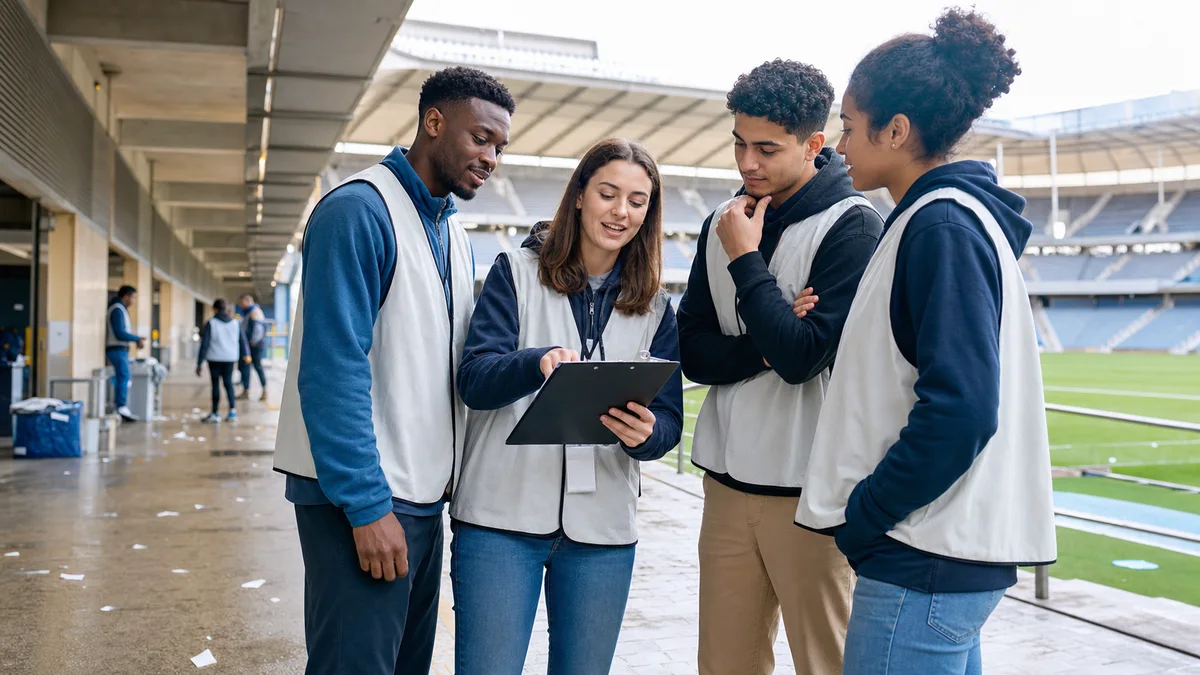
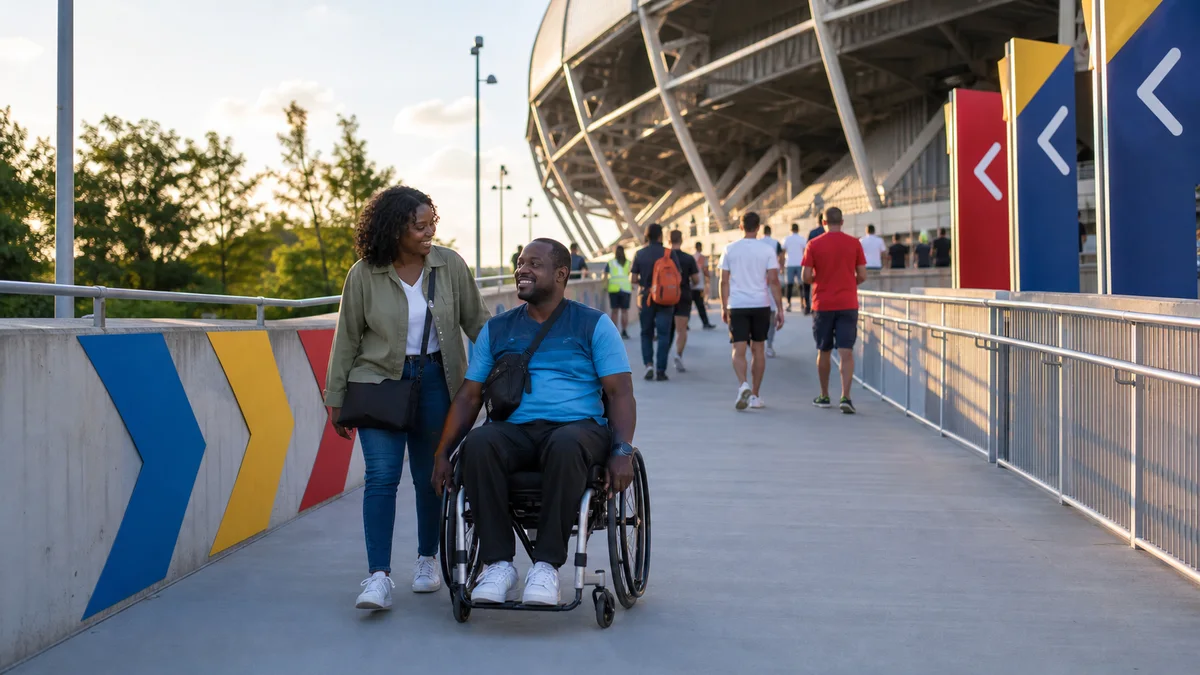
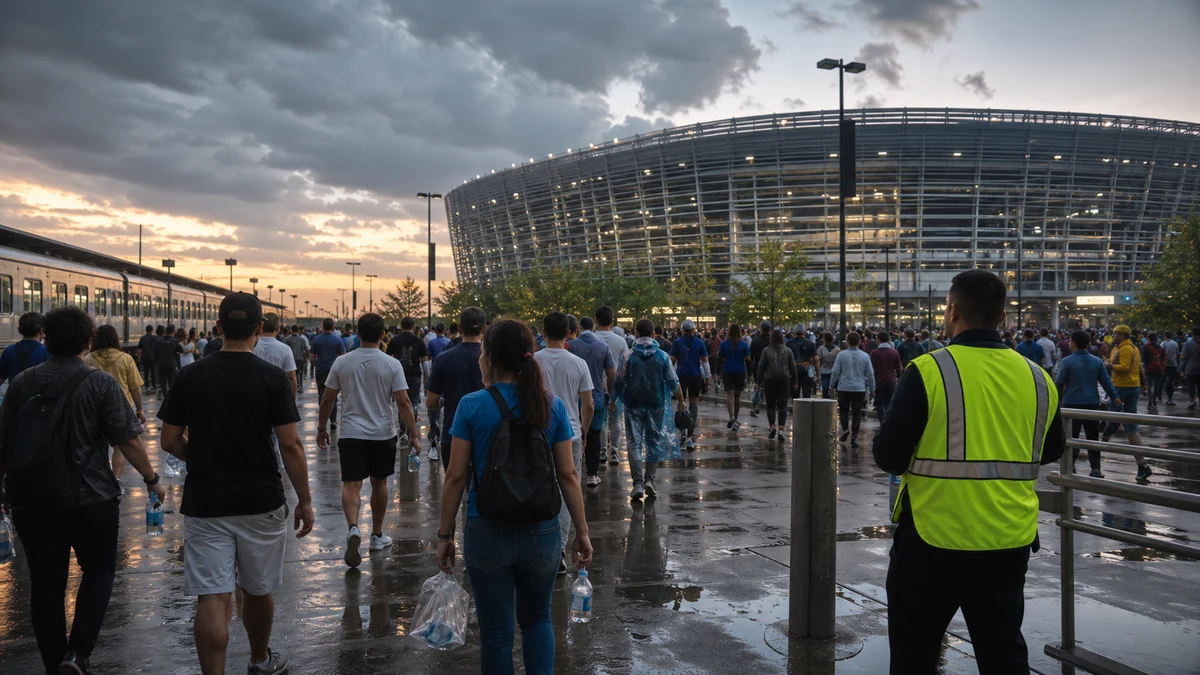
Transport deserves the same attention. A major stadium final means crowded parking, road controls, long security lines and thousands of people trying to leave together after the whistle. The useful plan is practical: know the gate, choose a meeting point, save the return route, and keep the plan available outside chat apps in case mobile signal is weak near the venue.
Supporters travelling from Africa or the diaspora should be careful with fast-moving messages in group chats. Ticket resales, accommodation changes, rides and weather warnings are all areas where confusion can turn expensive. The safest habit is to confirm decisions through FIFA, the stadium, local transport agencies and official air-quality services before changing routes or paying anyone new.
The final also shows how a sports mega-event becomes a city operation. Spain and Argentina will command the attention, but the experience many fans remember may be the walk to the gate, the wait after the match and the ability to get back safely. A clear plan is not boring. It protects the joy of being there.
The reader checklist is simple: confirm the kickoff and gate timing, check air quality before leaving, carry water and needed medicine, set one trusted communication channel, and decide where the group reunites if phones fail. If those details are settled before the ball rolls, final day has a better chance of becoming a memory instead of a scramble.