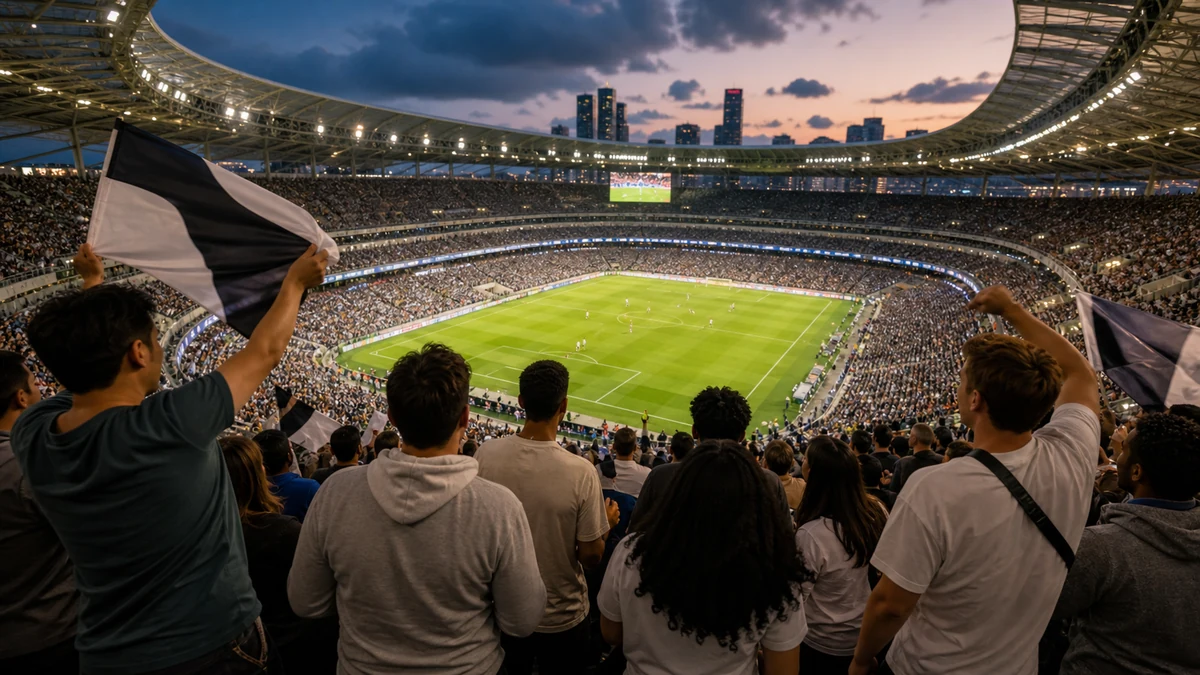
The World Cup final left one lesson that belongs far beyond football: expensive resale tickets make pressure dangerous. AP reported very high asking prices for final seats, which matches what many fans already know. Excitement, scarcity and fear of missing out can push people to pay before they have checked the proof.
FIFA publishes official ticketing and resale guidance, so the first rule is simple. Use the channel the organizer recognizes. A screenshot, a social media message or a polished payment link is not enough. A real ticket should connect to an official account, confirmation process and terms that the buyer can save before traveling.
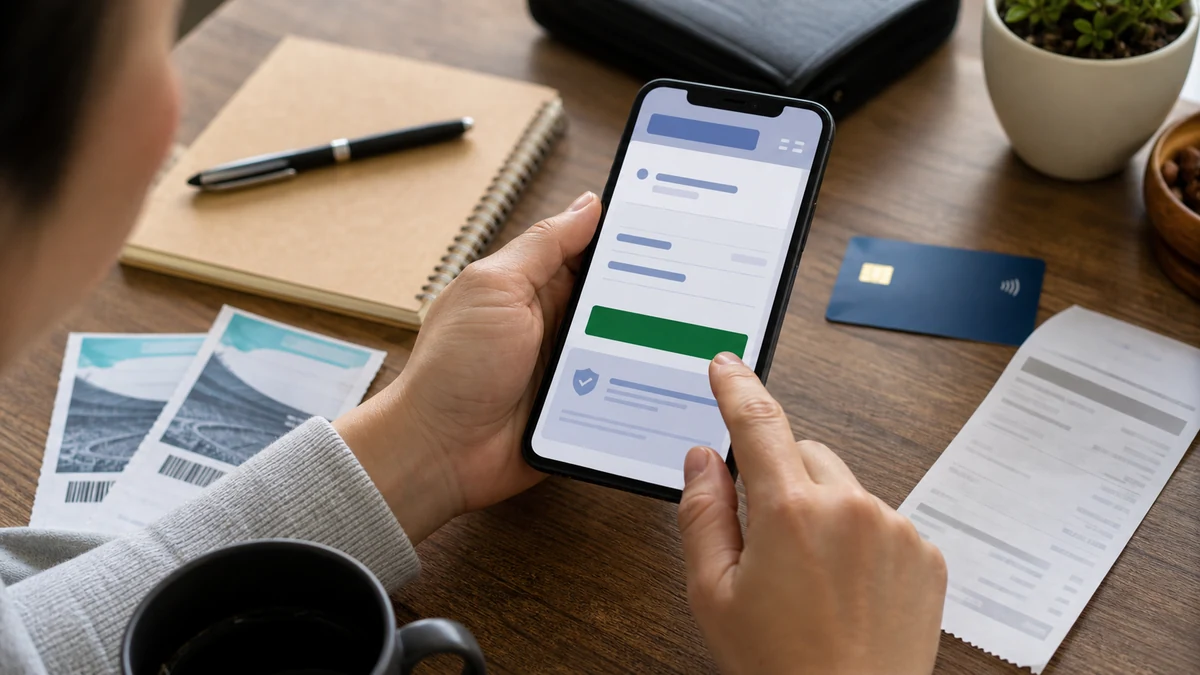
The displayed price also needs attention. Fees, taxes and delivery charges can change what a buyer is actually paying. The FTC has warned against unfair or deceptive fee practices, and that principle is practical for sports fans. Before entering card or wallet details, the buyer should be able to see the total price and the refund conditions.
Group trips need an extra layer. If friends or relatives are buying several seats, one hurried message thread should not decide everything. The group should write down the budget, the seller path, the delivery method and the payment record. Everyone should know what has been paid and what happens if the ticket does not arrive.
Scams often use the same language: only one ticket is left, payment must happen now, the seller knows someone at the venue, or ordinary protection tools are not available. Those lines are not proof. They are warning signs. The safer response is to pause and confirm through the event, the ticketing account or the payment provider.
A World Cup ticket can become a family memory, but the receipt is part of that memory. Use the official marketplace, check the final price, save the email, keep the policy and avoid payment routes that cannot be challenged. The best fan plan begins before the gate, with proof that the seat is real.