World Cup 2026 knockout matches will remind coaches that lead management is its own skill. A one-goal lead in the 70th minute does not mean the match is finished. The expanded tournament, travel, heat, yellow-card pressure and tired legs can make the last twenty minutes more important than the first tactical plan.
The coach who scores first has choices, and every choice carries risk. If the team drops too deep, the opponent gains the ball and territory. If the team keeps pressing too hard, tired players may leave spaces open. The balance needs a bench that understands roles, midfielders who can keep possession and defenders who do more than clear the ball in panic.
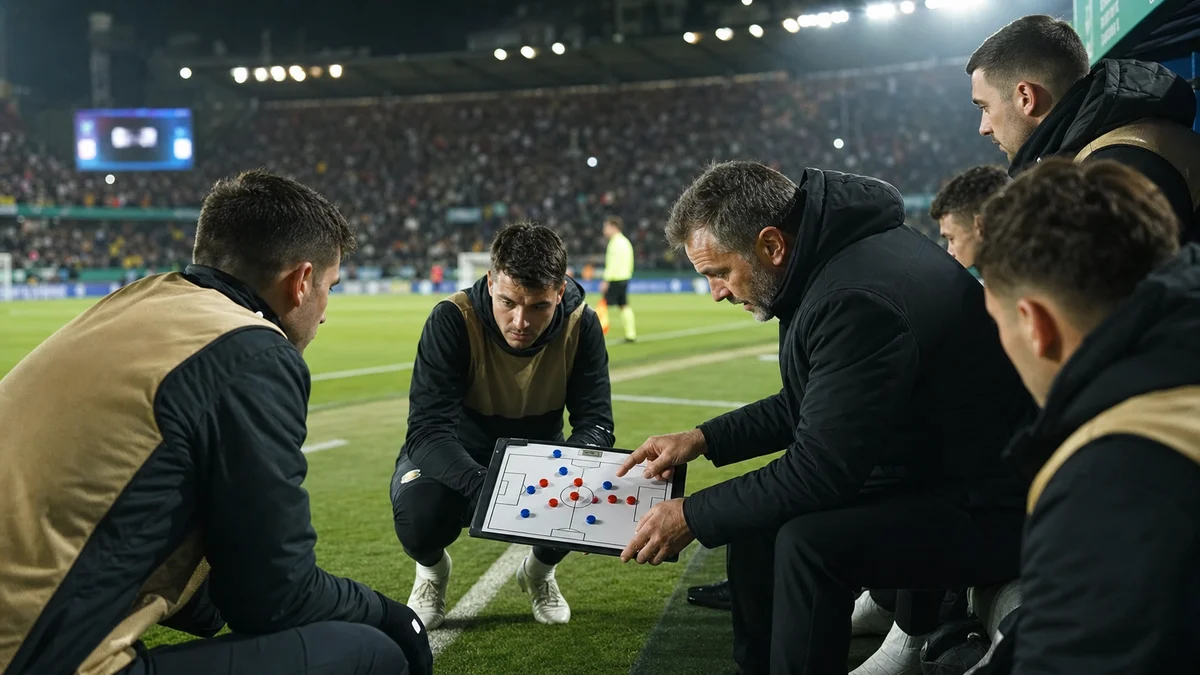
Substitution timing will become a major story. A fresh winger can threaten the counterattack, a fresh midfielder can clean up passing and a fresh defender can protect the box. But a substitute who does not enter with match rhythm can also bring a foul, a misplaced pass or confusion. Bench trust has to be built in training before the tournament arrives.
Cards will shape the decision too. A defender on a yellow card can feel pressure in every duel. A tired midfielder may take an unnecessary tactical foul. The captain and coach need calm communication: who presses, who covers, who slows the game legally and who stays away from arguments.
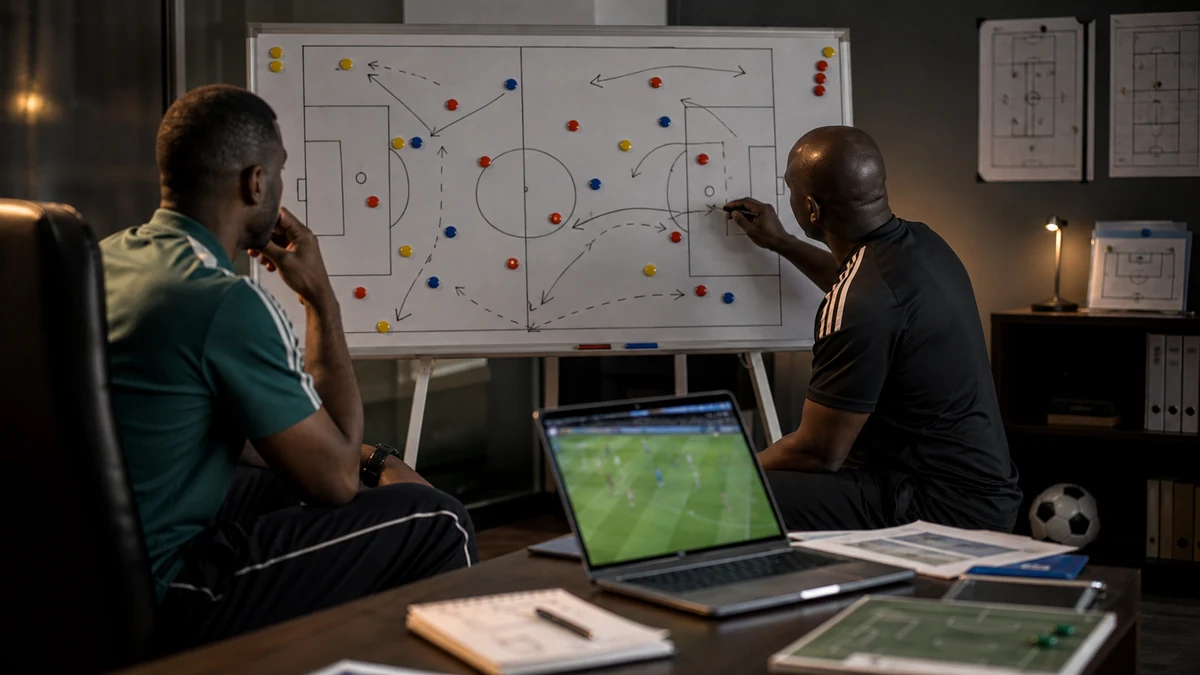
Supporters often call a defensive change cowardice, but sometimes it is arithmetic. In knockout football, the win is what moves the team forward. The better question is whether the change is passive or purposeful. A team that explains shape, passing outlet and set-piece duties before the substitute enters can defend a lead with more control.
The mini-scale below gives readers a way to watch lead management. It is not a formula that names the winner, but it makes fan debate sharper. If a team has fresh legs, calm passing and clear defensive assignments, the one-goal lead is stronger. If it has panic clearances and tired fouls, the scoreboard may be lying to it.