World Cup 2026 gives more teams a chance to reach the knockout rounds, but the wider door does not make the group stage simple. With 48 teams, 12 groups and a round of 32, the table can change through details that look small in the moment. A late equalizer, one extra goal conceded or a yellow card that changes a defender's next match can move a country from control to calculation.
The most important shift is the role of third-place teams. In the older format, many groups were easier to read: finish first or second and continue. In the expanded format, some teams outside the top two can still qualify, which means supporters will follow other groups, goal difference and fair-play details more closely. A team may leave the pitch unsure whether a result is enough.
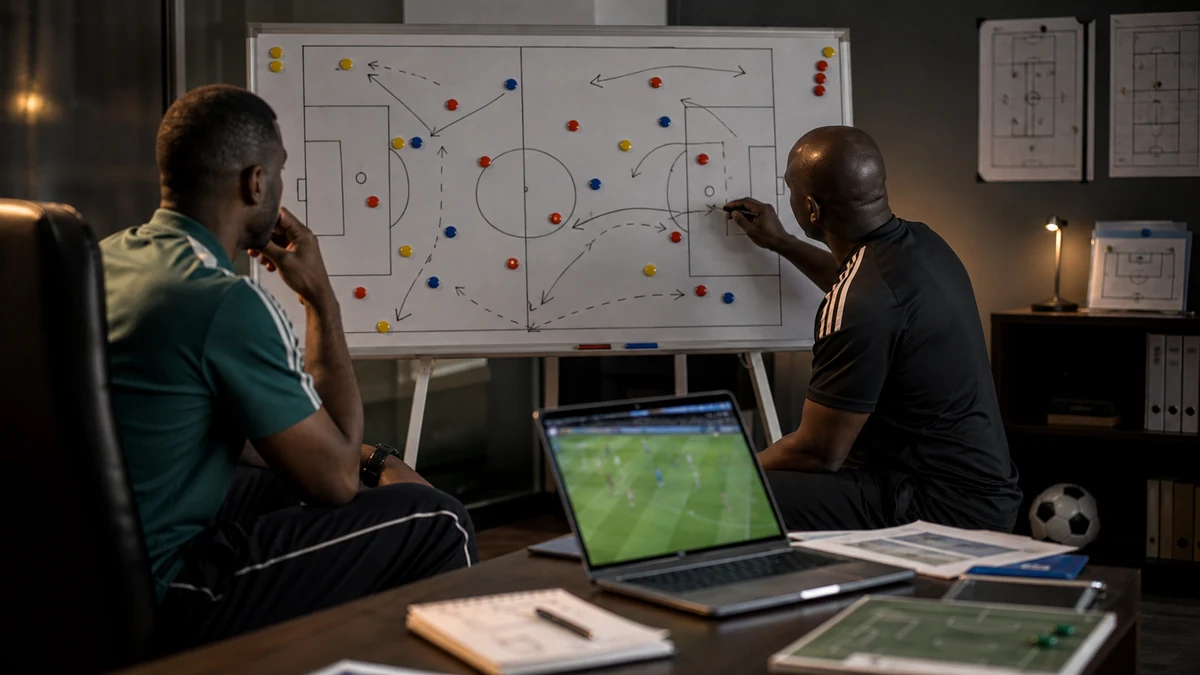
That creates a different tactical question for coaches. Protecting a narrow defeat may sound strange, but in a table where goal difference matters, losing 1-0 can be very different from losing 3-0. At the same time, playing only for damage control can remove belief from the squad. The best teams will know when to chase a goal and when to keep the match from becoming chaotic.
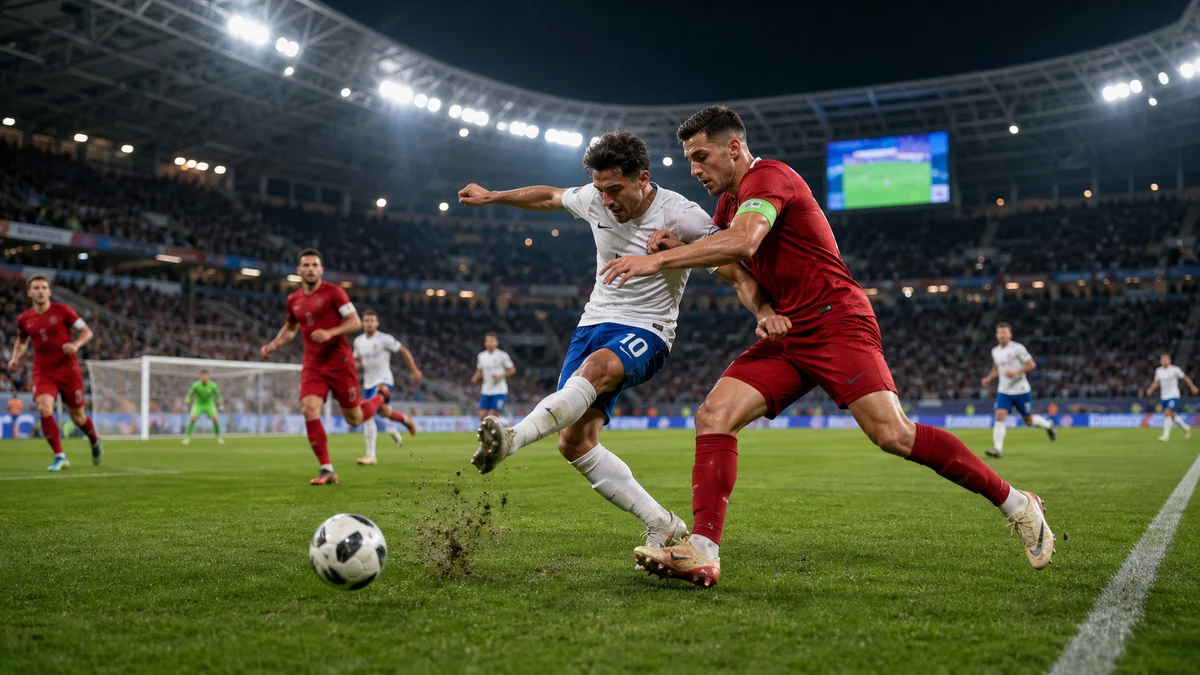
African teams can use this format well if they treat every minute as part of the qualification picture. A substitute who keeps possession in added time, a goalkeeper who slows the game legally or a midfielder who avoids a reckless foul can protect more than pride. Tournament football often rewards teams that understand the table before the table becomes desperate.
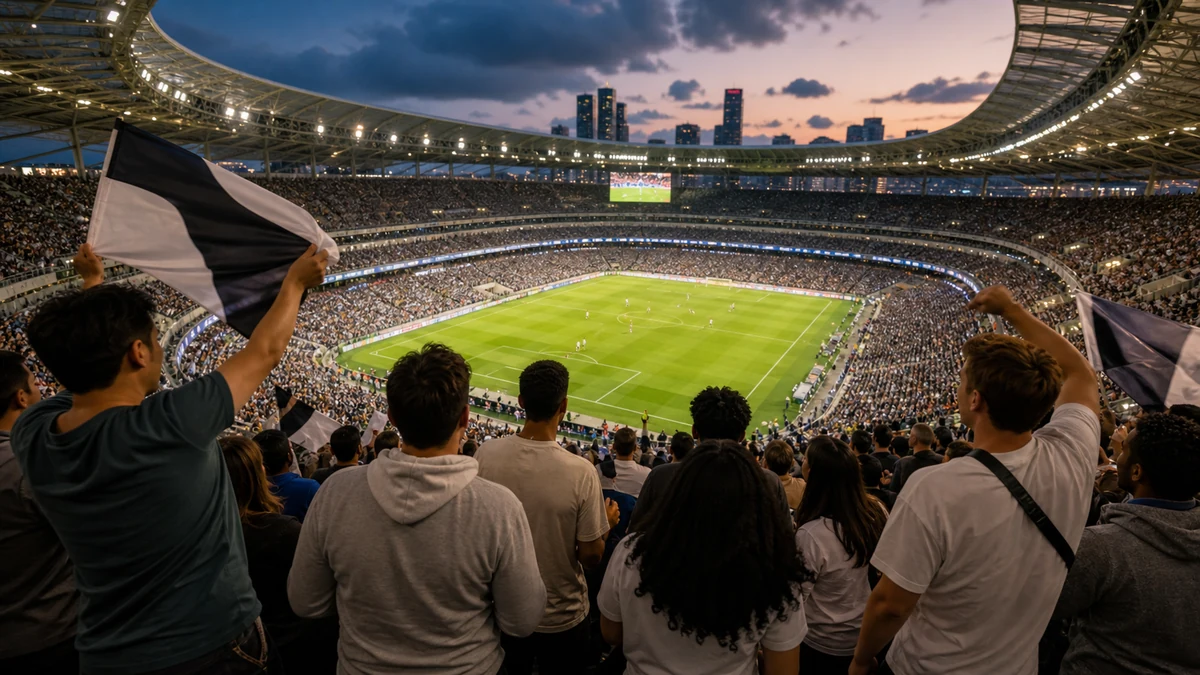
Supporters should also prepare for a more complicated viewing experience. The final group matches will not only be about one stadium. A result in another city may decide whether a third-place team survives. That makes clear schedules, live tables and calm explanation valuable for fans following from Accra, Kumasi, Lagos, Nairobi, Johannesburg or the diaspora.
The lesson is that World Cup 2026 rewards concentration as much as talent. Qualification may come through attacking quality, but it may also come through a controlled ending, a smart substitution or the discipline to avoid turning a small problem into a heavy defeat. In a larger tournament, the table is not background information. It is part of the match.