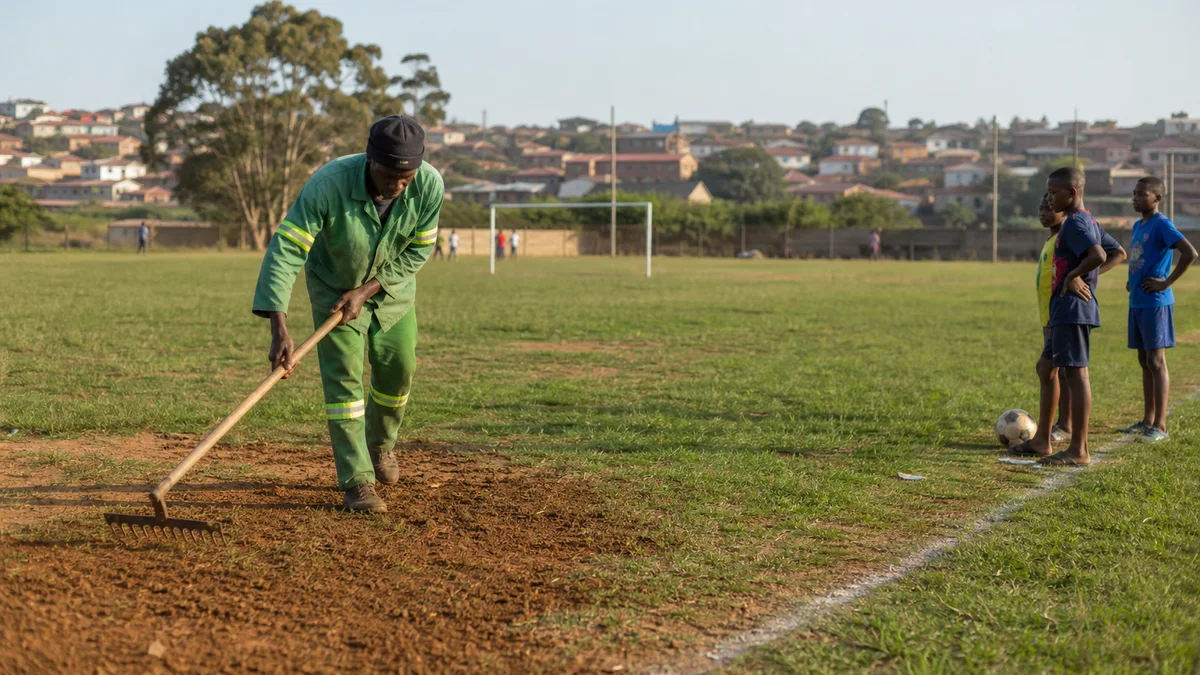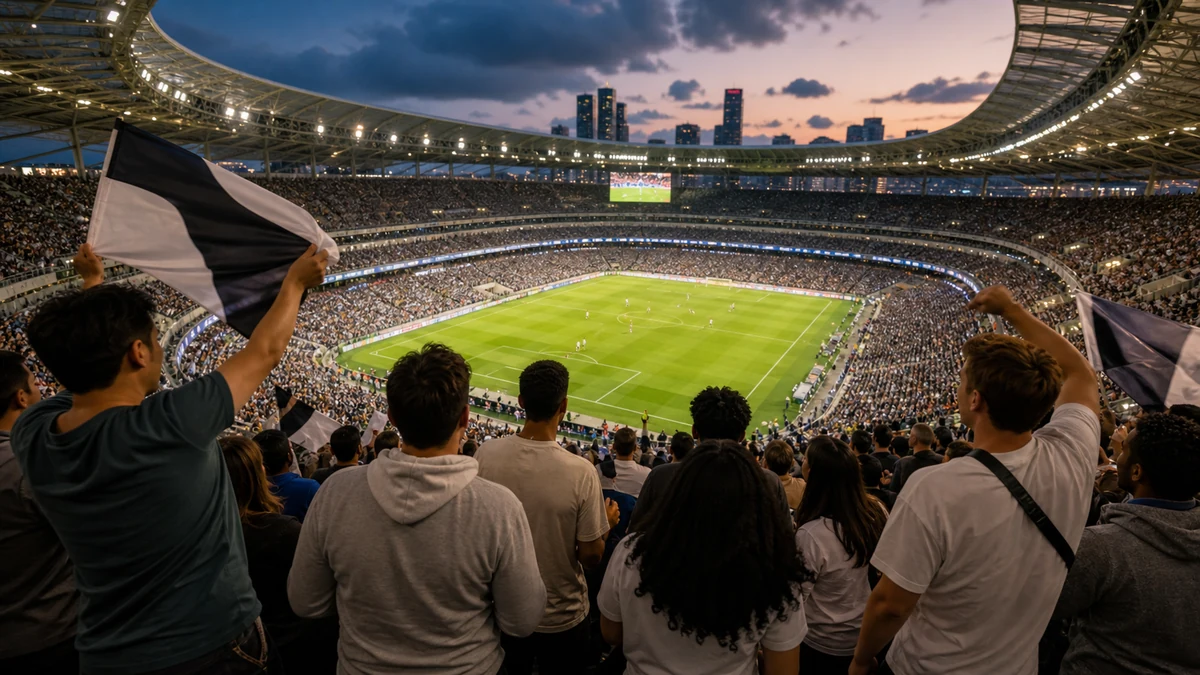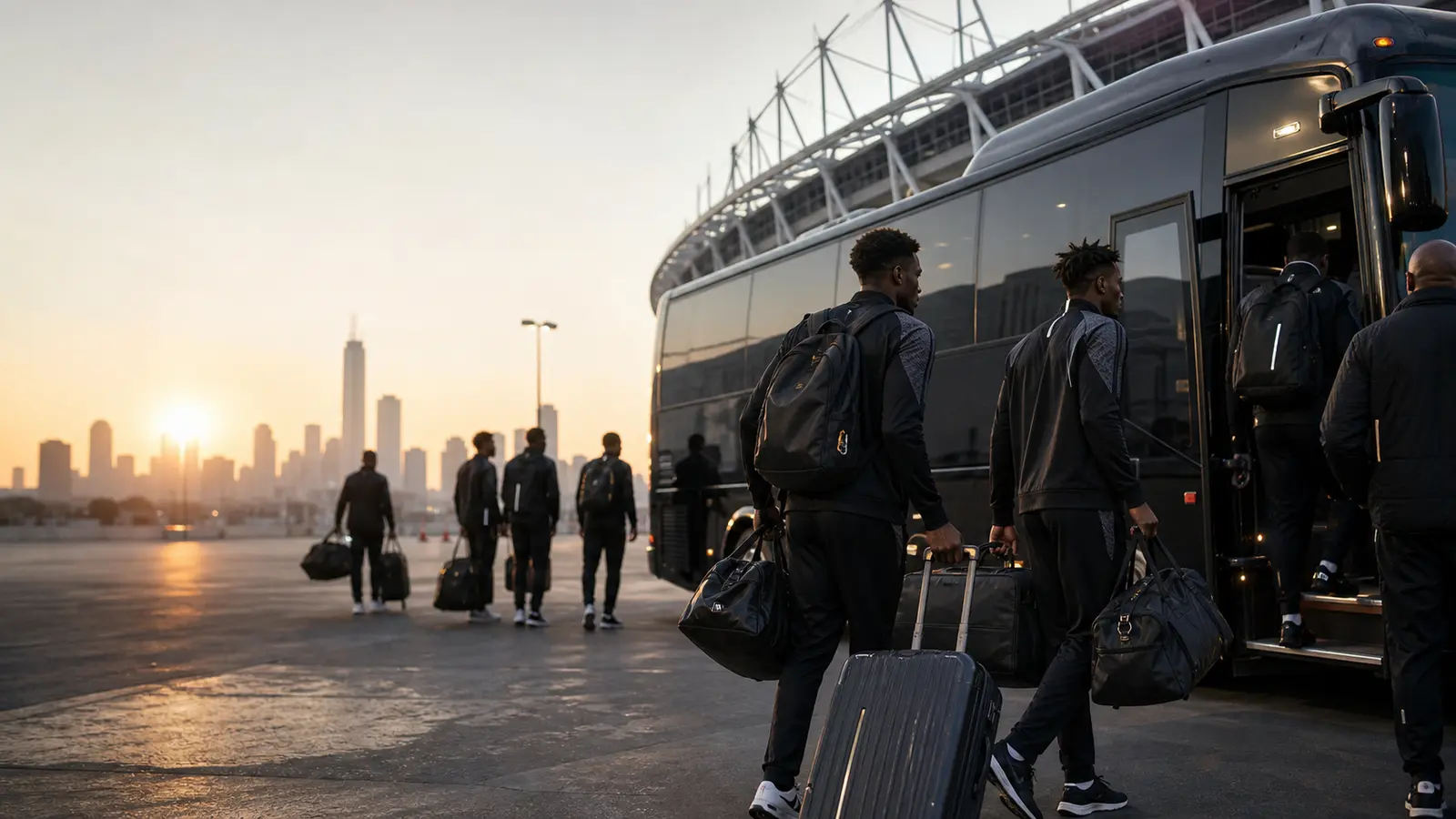
The 2026 World Cup is built to feel enormous. It stretches across the United States, Mexico and Canada, with matches in many cities and a schedule that keeps football moving almost every day. That scale is part of the attraction. More communities can host, more supporters can attend and more nations can feel close to the tournament. But size also brings pressure, and much of that pressure happens away from the pitch.
For teams, travel is not a small detail. Flights, buses, hotels, training grounds, security, meals, media duties and recovery windows all shape performance. If a plane is delayed, paperwork fails or traffic blocks a route, the effect can reach the dressing room. A missed training session may not sound dramatic, but at World Cup level it can disturb rhythm, sleep and tactical preparation. The journey becomes part of the match before the match begins.
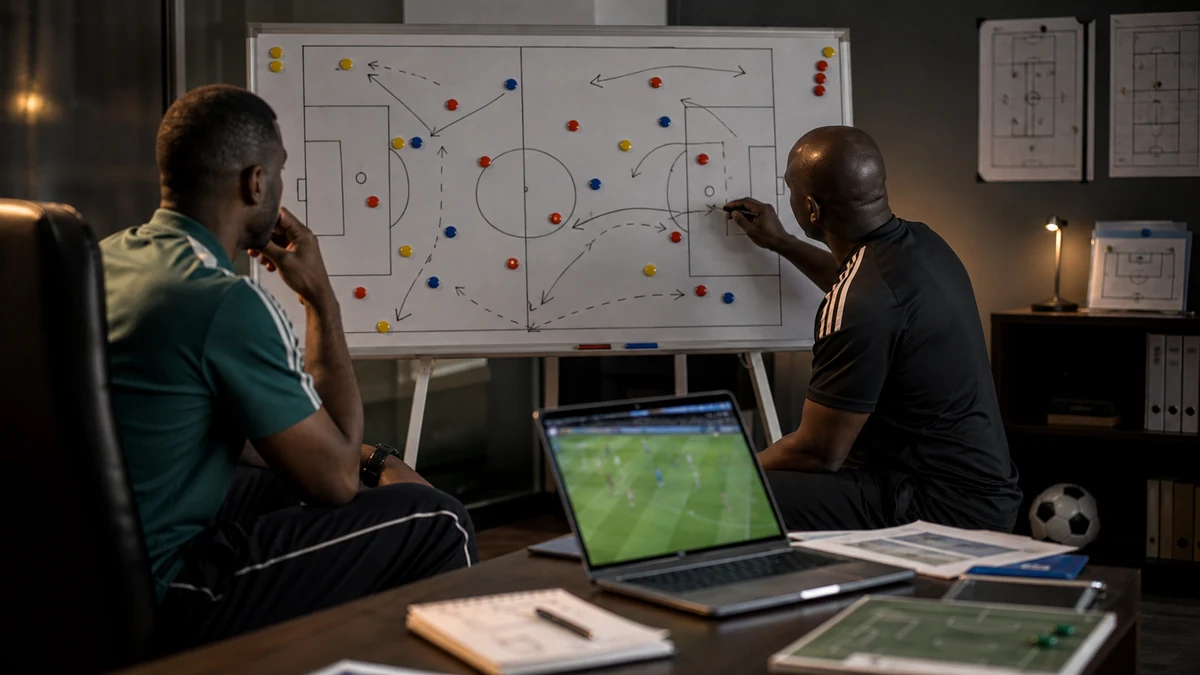
The best federations will treat logistics like football strategy. They will have backup travel plans, clear communication, medical routines and staff who can solve problems before players feel them. Smaller federations may find this harder. The tournament should be about football quality, but organization can quietly create advantages and disadvantages before kickoff. A team that arrives calm has already won a small battle.
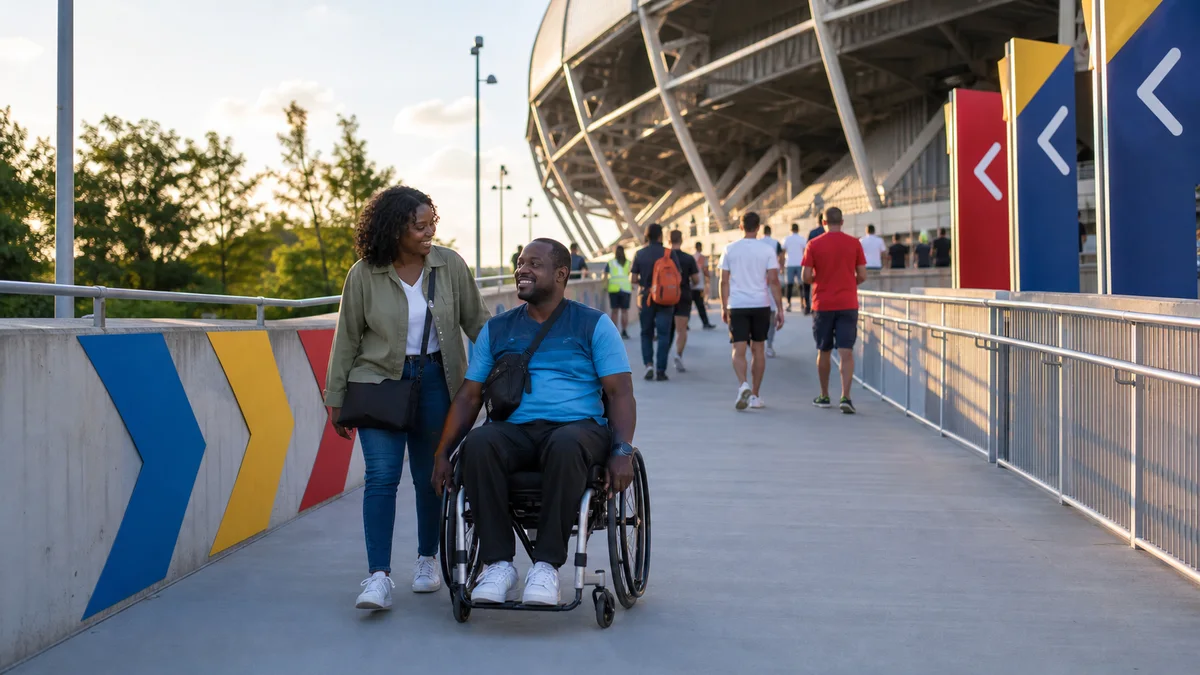
Supporters face their own version of the same challenge. Stadiums are not always easy to reach, especially when tens of thousands of people leave at once. Parking, rail, shuttle buses, rideshare zones and ticket timing can turn a matchday into either a celebration or a long, frustrating wait. Fans remember goals, but they also remember whether they could get home safely and affordably after the final whistle.
This matters for African supporters in particular. Diaspora communities in North America will want to follow their teams, and some fans will travel from the continent itself. That means visa planning, accommodation, transport, food costs and local information all become part of the football experience. A tournament that welcomes fans properly must think about more than the stadium seat. It must think about the full journey.
Players will feel the geography too. North America is vast, and conditions can change quickly from one city to another. Heat, humidity, altitude, long flights and time zones can affect legs and concentration. A team that wants to press aggressively must understand when its players can sustain that intensity and when the smarter choice is to control space and save energy. Tactical identity has to meet physical reality.
The schedule will create different rhythms for different teams. One country may play two matches in cities that are relatively close, while another may need to cross time zones. That does not automatically decide results, but it changes the recovery equation. A coach may choose a lighter training session not because the team is lazy, but because the travel load has already taken energy. Smart management means listening to the body before the body breaks.
Communication will be essential for fans. Clear signs, simple transport information and honest updates can prevent confusion. When people travel with children, older relatives or limited local knowledge, they need more than a ticket barcode. They need to know where to enter, how early to arrive, what they can carry and how to leave safely after the match. Good information makes crowds calmer, safer and happier.
Teams will also have to protect players from the emotional noise of travel disruption. A delayed flight can create irritation, but irritation can become a performance problem if it enters the squad mood. Experienced captains and staff can help by keeping routines familiar. Meals, meetings, stretching and sleep should feel stable even when the city changes. The more chaotic the outside world becomes, the more valuable internal calm becomes.
The 2026 World Cup will show that modern football is not only a contest of skill. It is a contest of planning, movement, communication and care. Teams that manage the journey well may arrive at matches with clearer minds and fresher bodies. Fans who are guided well will bring better energy into the stadium. In a tournament this large, logistics is not background noise. It is part of the game.
The same pressure will touch broadcasters, journalists and families trying to follow the tournament from home. When matches are spread across time zones, viewers need clear schedules and dependable coverage. A fan in Accra, Kumasi, Lagos or Dakar may be watching late at night or early in the morning. That changes how people gather, how families plan workdays and how local communities build watch parties. The travel story is not only about people inside the host countries. It reaches every home that organizes its day around the next match.
That is why small details become big details. Water, rest, routes, messages and timing can all shape matchday mood. When they are handled well, football stays at the center. When they are handled poorly, logistics becomes part of the headline.