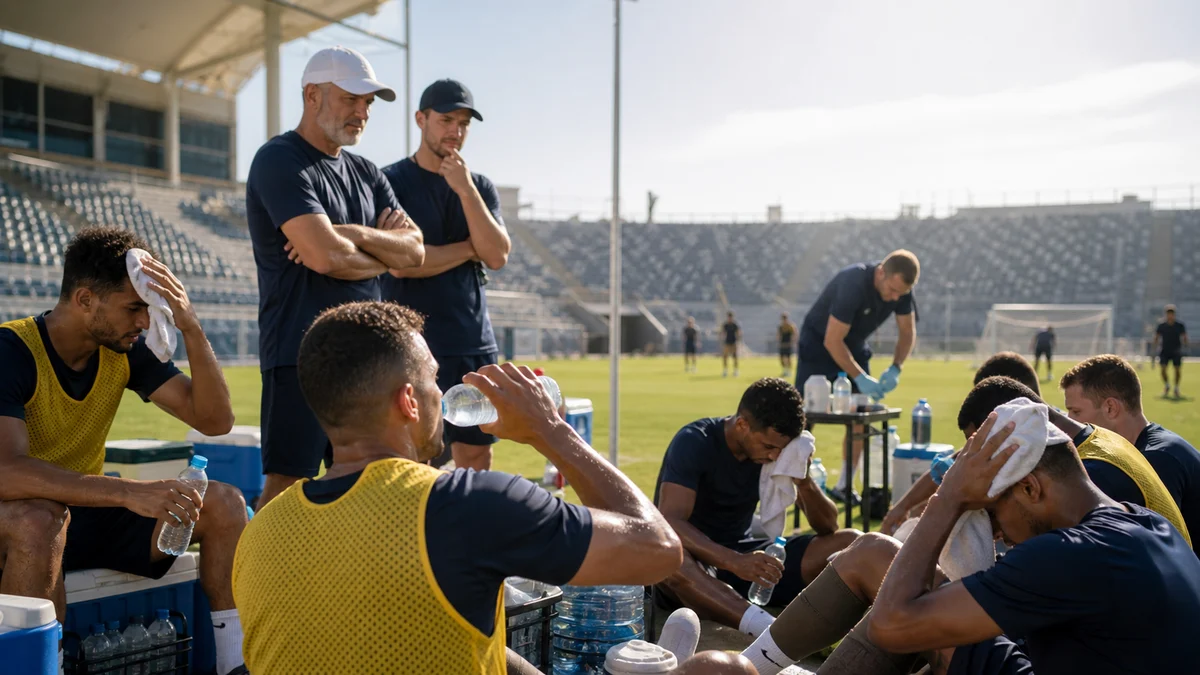
World Cup 2026 will be judged through goals and tactics, but heat, travel and recovery may quietly decide which teams still look fresh in the knockout rounds. The tournament covers many cities and conditions, and players will arrive after demanding club seasons. A team that ignores the physical side of the event can lose sharpness before a tactical plan has time to work.
Heat risk is not only about extreme temperature. Humidity, sun exposure, travel fatigue, poor sleep and short recovery windows can combine to slow decisions and increase mistakes. A midfielder who normally presses for ninety minutes may need different instructions if the body is already carrying stress from travel and weather.
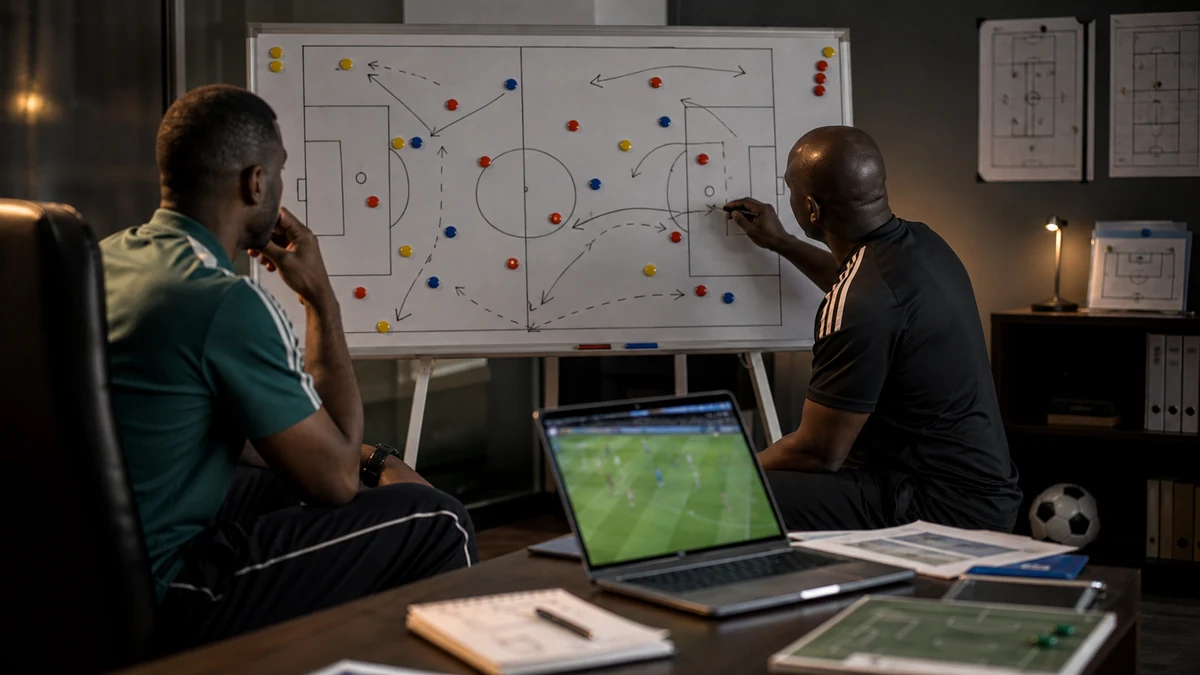
Coaches will need to use the full squad. Rotation is sometimes discussed as a luxury for favorites, but in a long tournament it becomes a practical tool. Substitutes must be ready before the team is desperate. A player who protects a lead for twenty minutes may be as important as the star who scores in the first half.
Medical and performance staff also become central. Hydration plans, cooling routines, sleep control and training loads need to be built around the schedule. The best preparation will look ordinary from outside because problems are solved before they become visible. In tournament football, boring discipline often protects exciting football.
African teams can benefit if federations prepare the details early. Many players are used to different climates, but that does not remove the need for careful recovery. Long flights, hotel moves and media demands can drain any squad. Natural resilience should not become an excuse for weak planning.
The simple truth is that World Cup 2026 may reward teams that respect the body as much as the ball. Fresh legs help pressing, clear minds help decision-making and calm recovery helps players repeat good performances. The team that manages energy well may look tactically smarter because its players still have the strength to make the plan real.