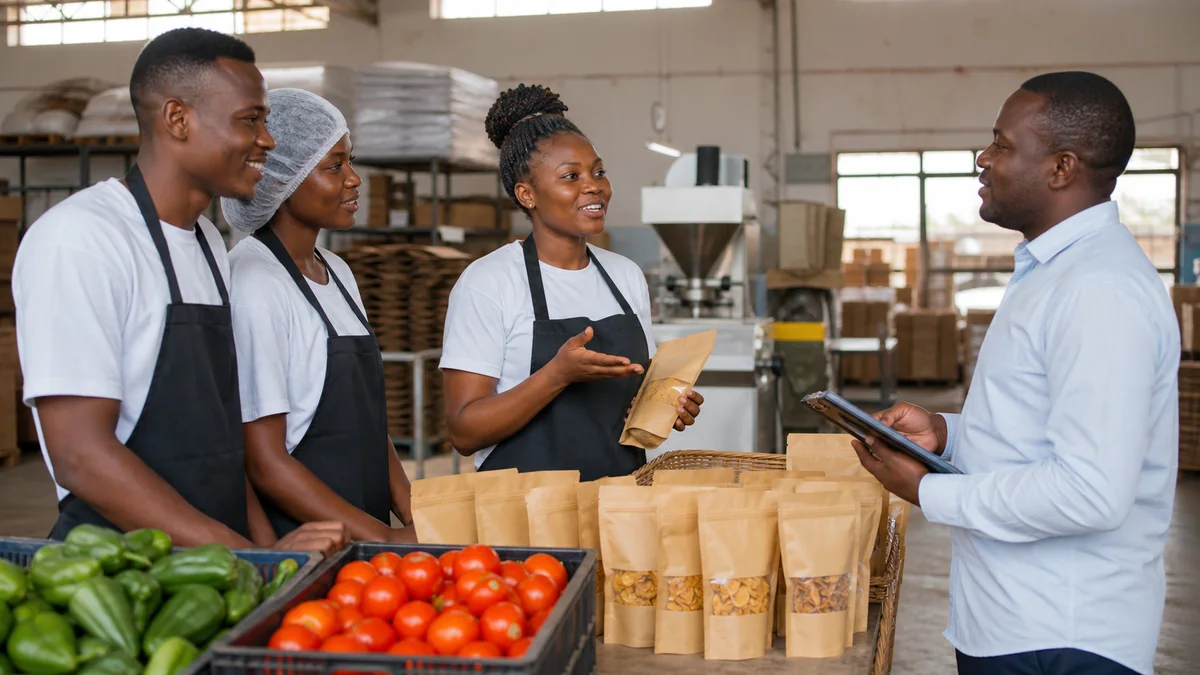
Youth jobs grow when local supply chains become visible
Training works better when young people can see which nearby firms buy, hire and need new services.

Business news on work, markets, money, industry and policy, explained for African readers and the diaspora.
Business coverage follows jobs, markets, regulation, banks, consumer prices and company moves that affect households and workers.
Stories are written with plain context so readers can see the practical stakes behind the numbers.
 Creative freelancers need clear contracts before the first delivery
 Independent musicians need a metadata check before release day
 African film distribution needs a stronger subtitle workflow
 Election-result screenshots need a source-first verification rule
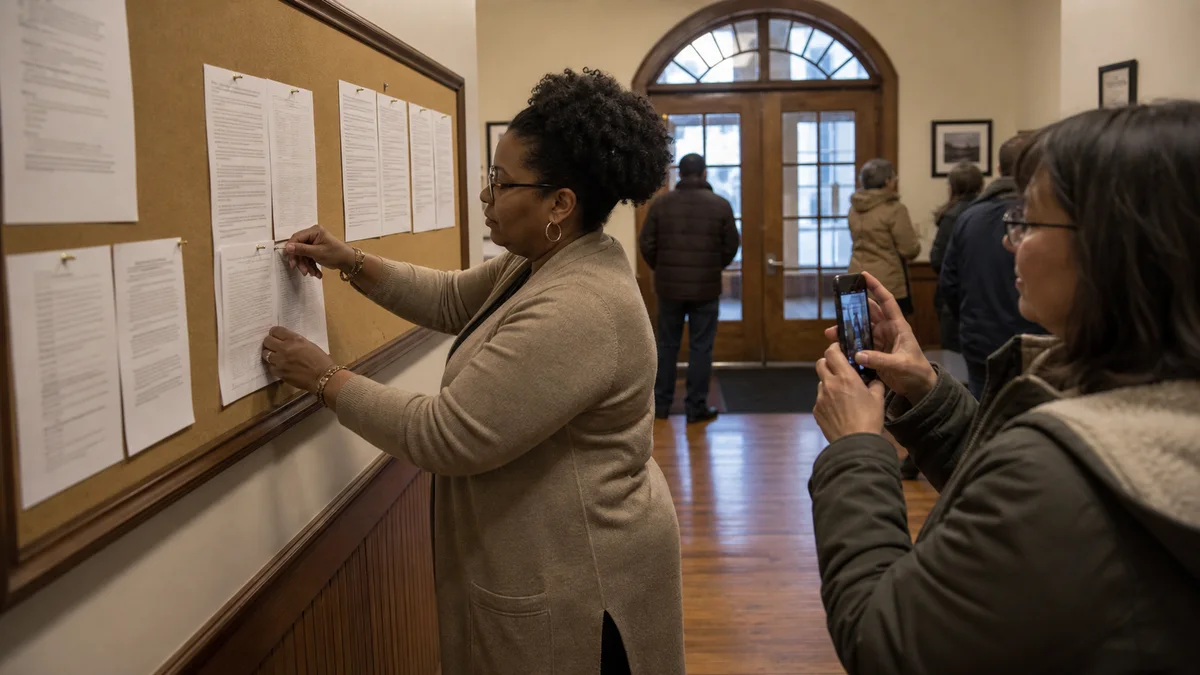 Local public meetings need accessible records after the room empties
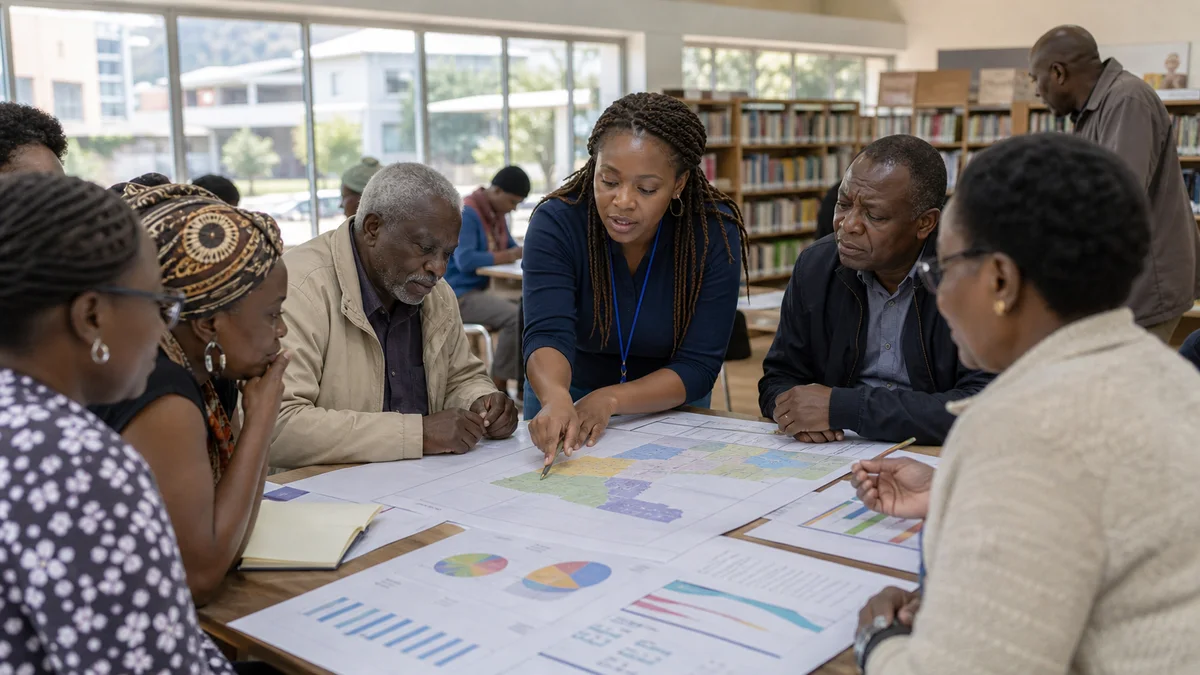 Public budgets need a plain-language summary residents can use
Training works better when young people can see which nearby firms buy, hire and need new services.
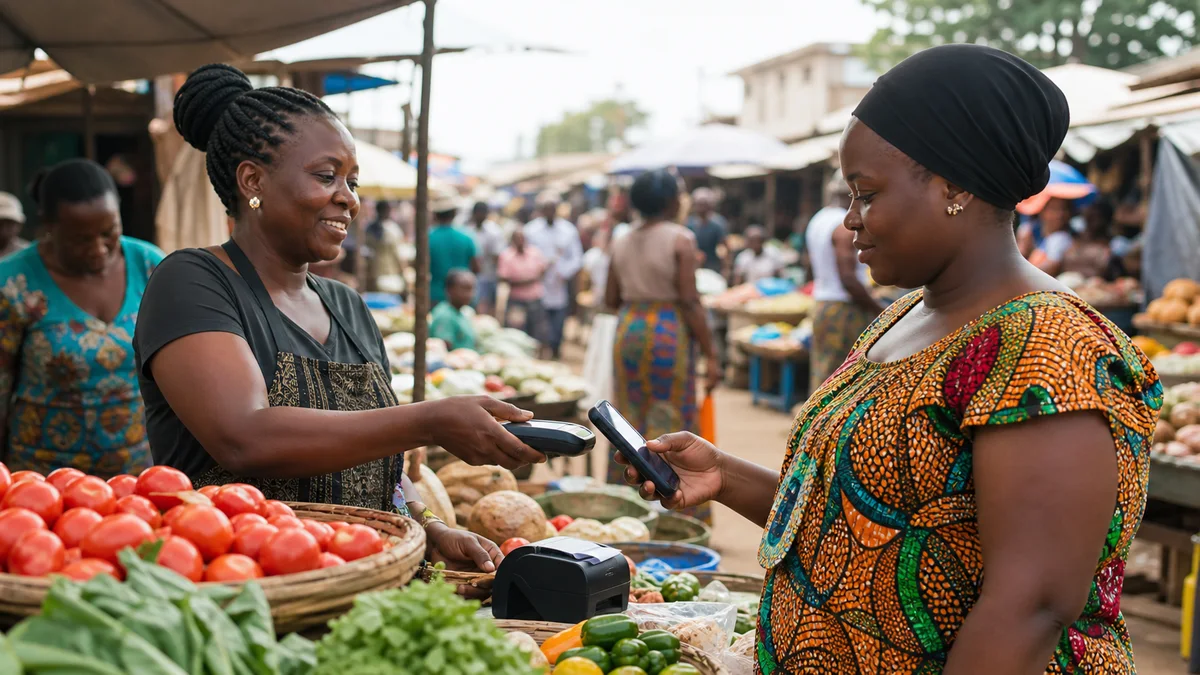
Speed is useful only when fees, disputes and access rules work for the businesses receiving the money.
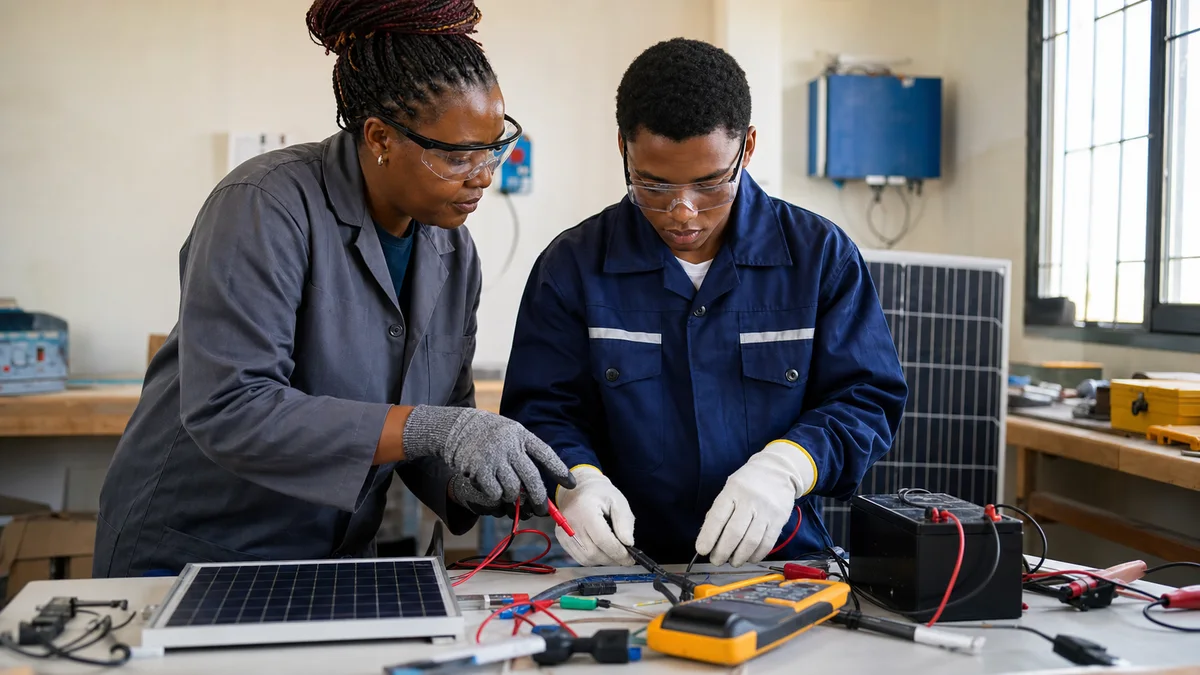
Young workers need real instruction, safe conditions and a record of skills—not an unpaid job with a new label.
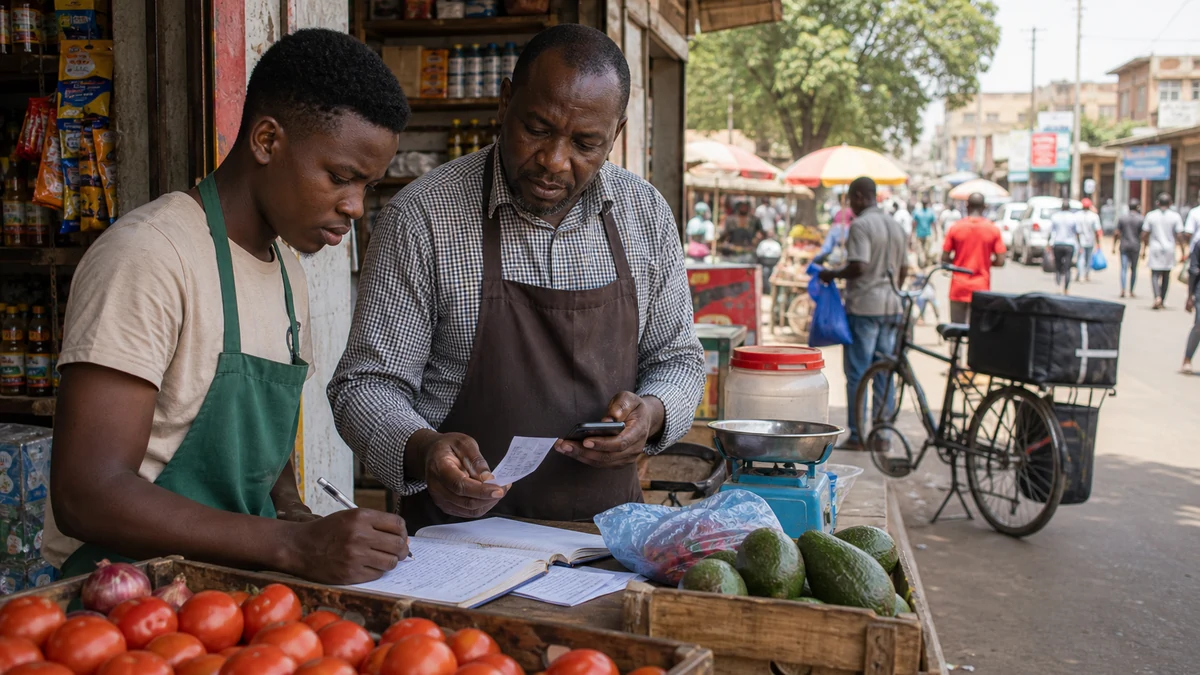
AfDB, IMF and World Bank numbers point to resilience, yet public trust depends on work, food costs, debt pressure and small-business credit.
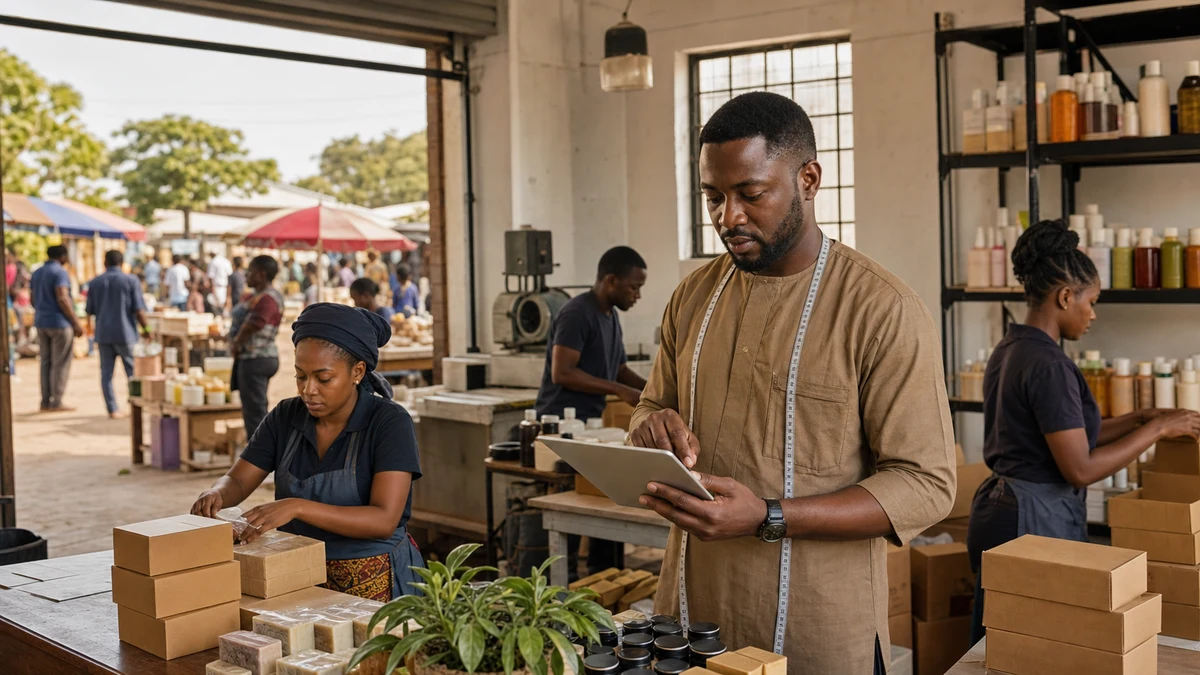
AfDB and World Bank reports point to resilience in 2026, while warning that employment, debt service and industrial policy will determine the real impact.
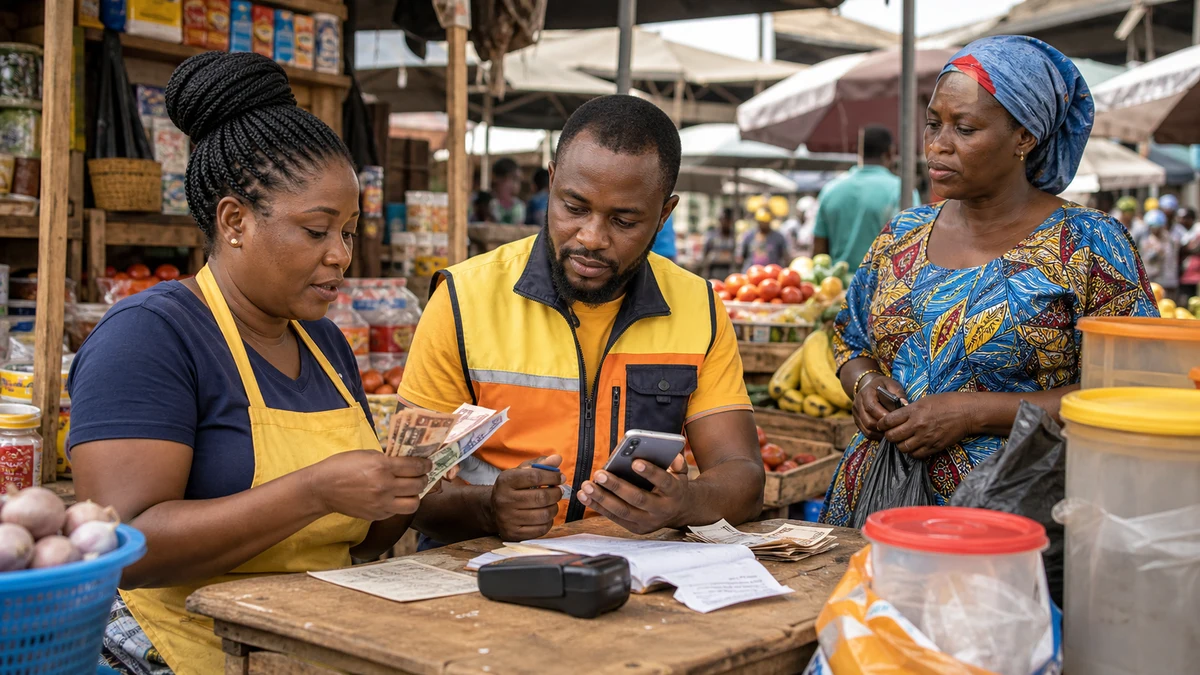
Small traders need agents who can handle market peaks, show fees upfront and resolve failed transactions quickly.
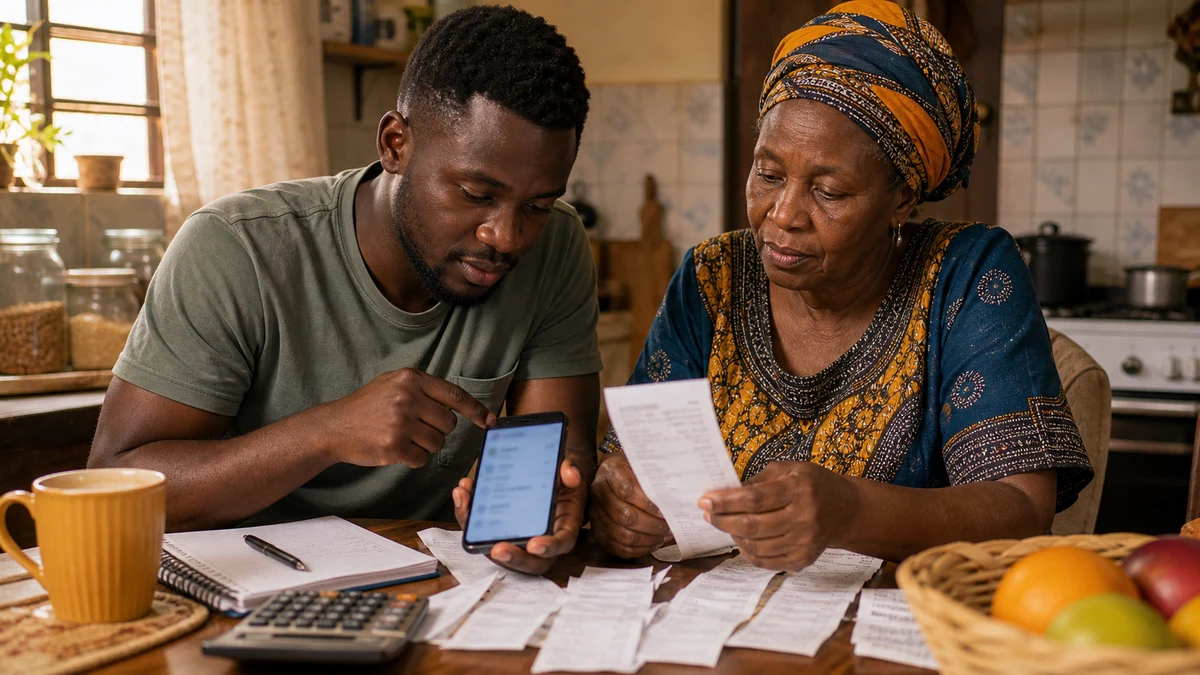
The advertised transfer price and the amount a household receives are not always the same story.

Mobile money, cards and transfer charges look small one by one, but daily tracking can reveal real pressure.
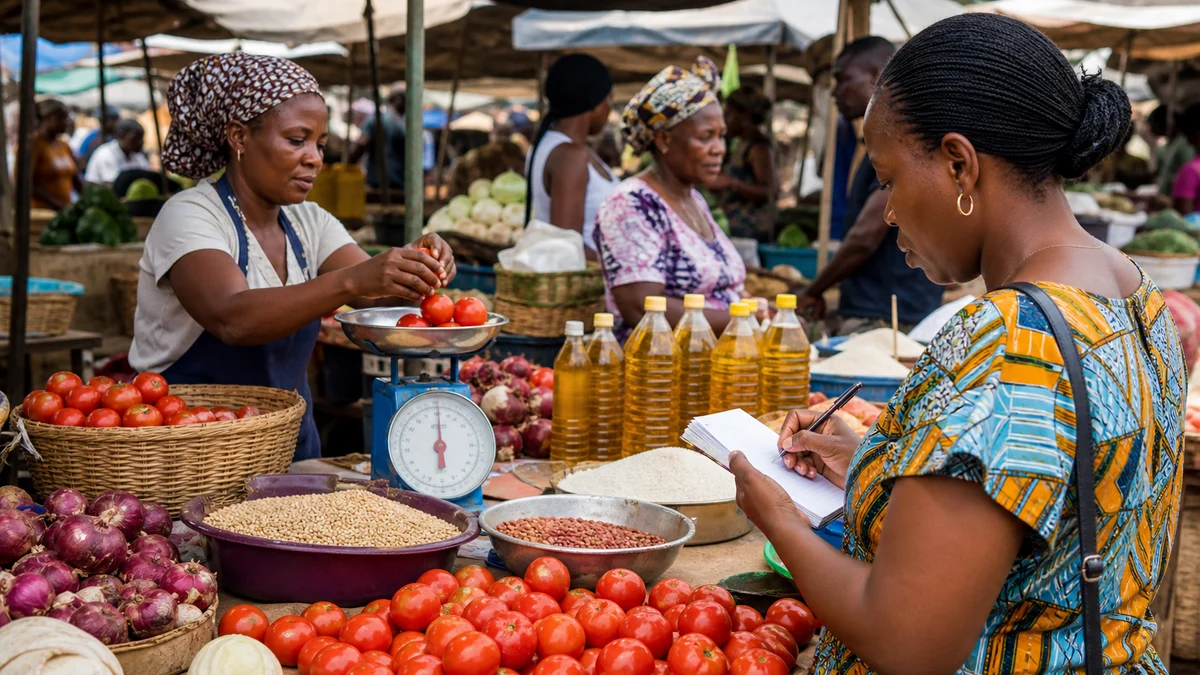
Staple prices, transport and cooking costs shape family choices, so simple market records can make budgets clearer.

Diaspora transfers support households, but fees, exchange rates and cash-out costs need tracking if money is to reach the right place.
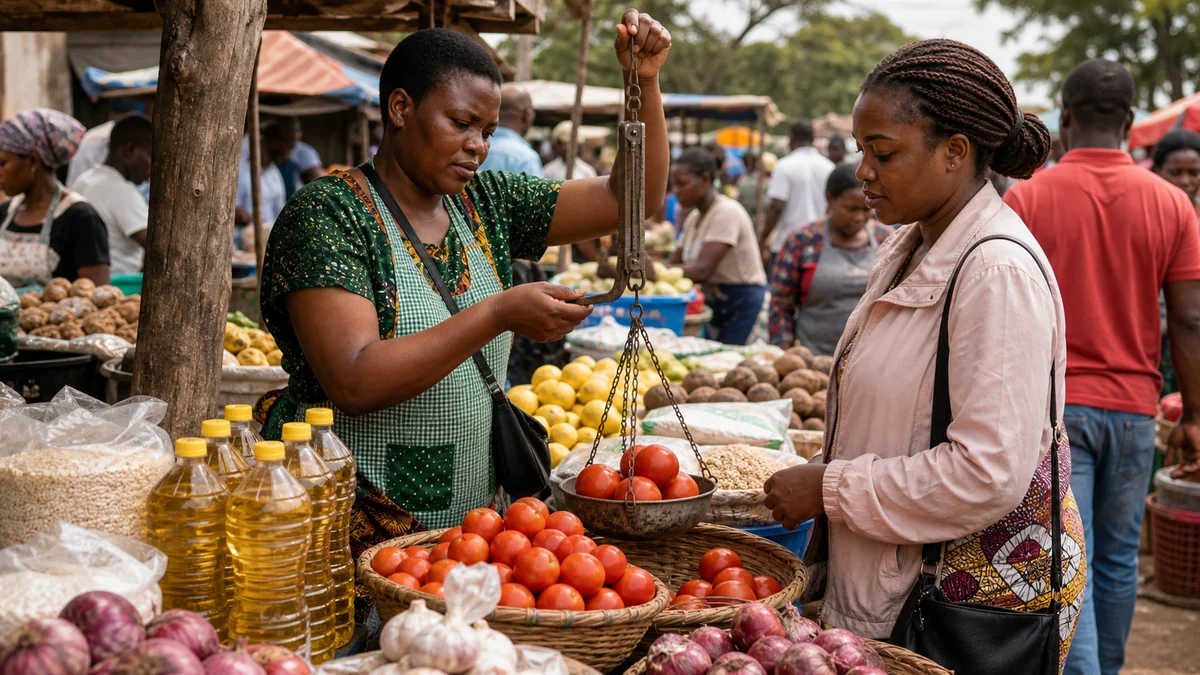
Global food numbers may fall, but transport, currency and local supply still shape what families pay in the market.

A small transfer cost can become the difference between school fees, medicine or food for households waiting on diaspora support.
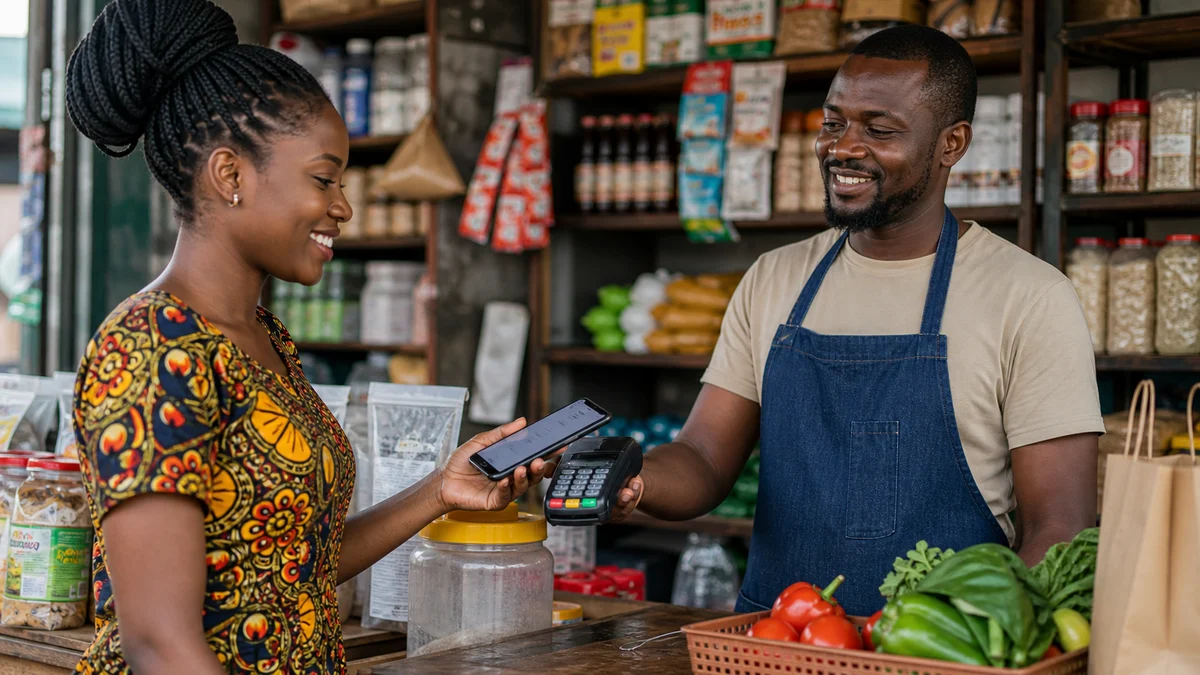
Mobile money and card payments can widen sales, but fees, fraud and failed transactions still worry traders.
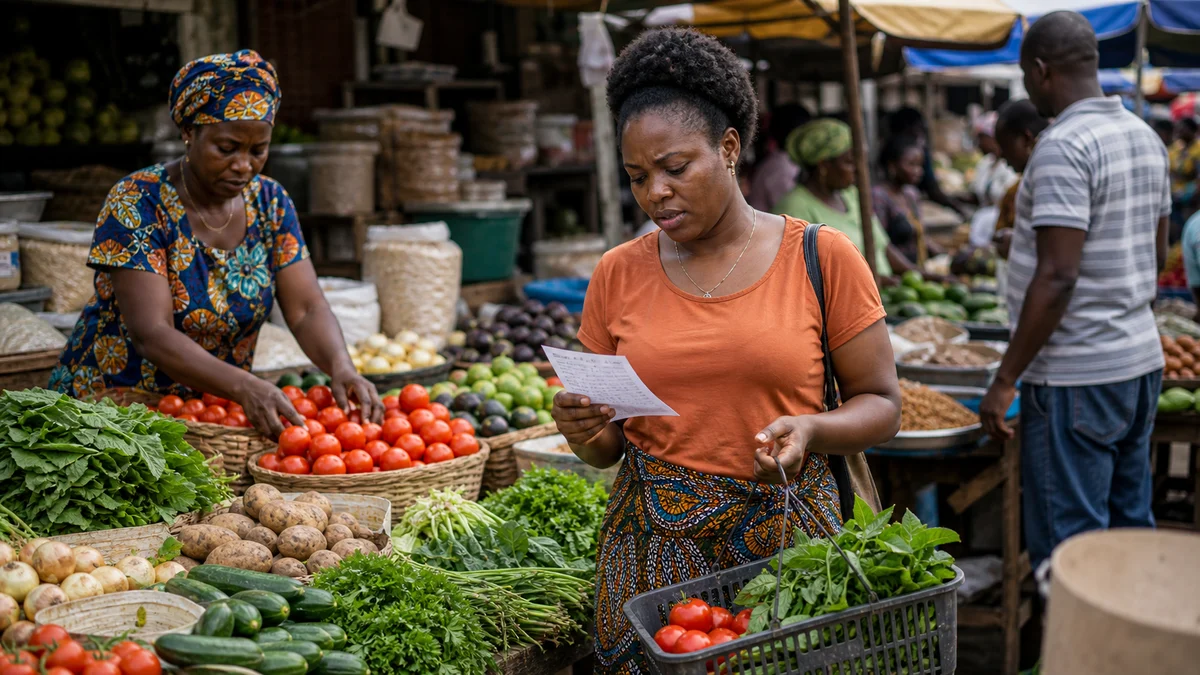
When staples rise, households change meals, delay purchases and carry stress that numbers alone do not show.

Small fees can become large losses for households that use diaspora money for food, rent, school and health bills.

The platform is designed to connect entrepreneurs, investors and creative communities with one of the world’s biggest markets.
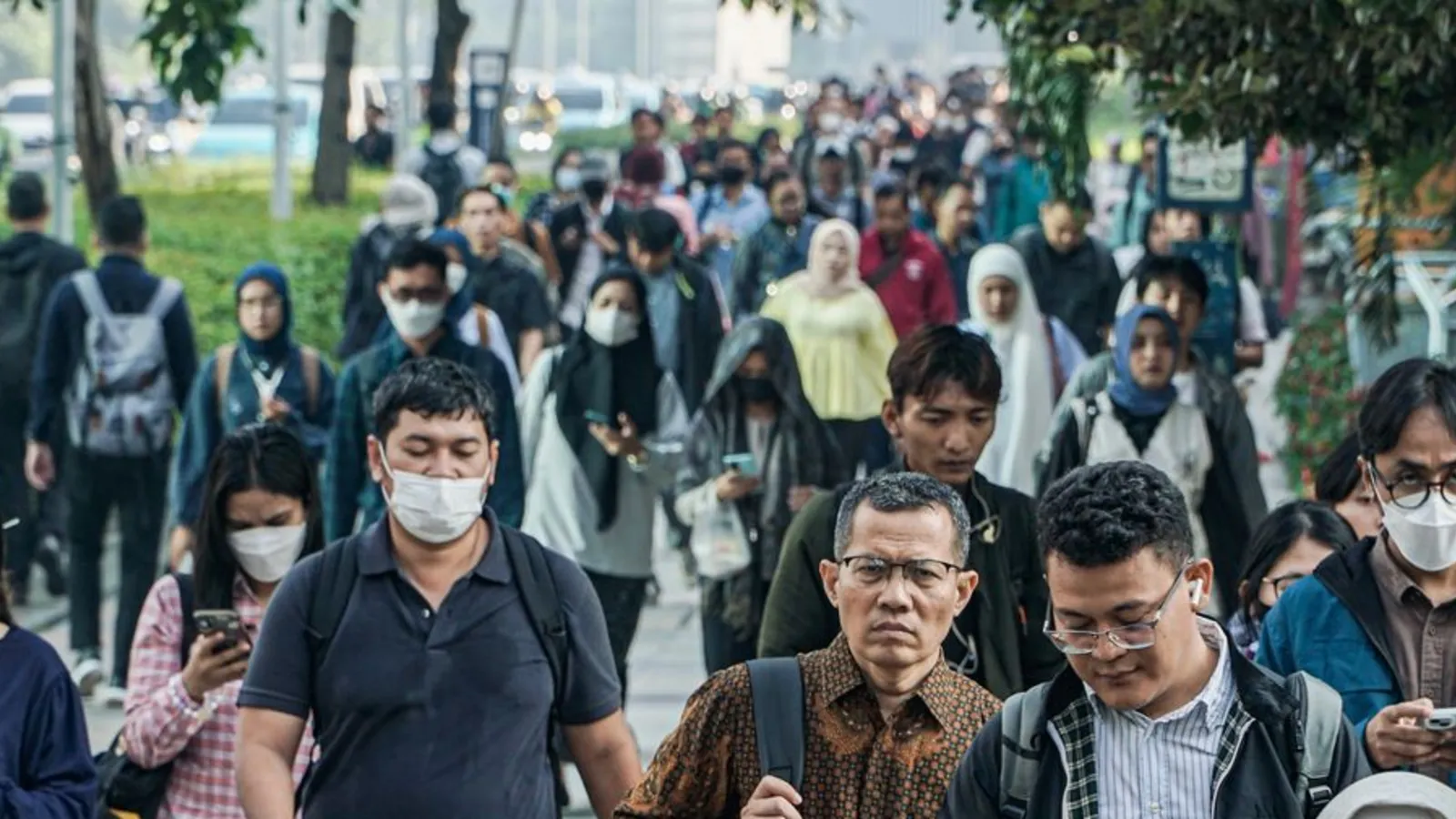
Economic growth can look strong on paper while jobs, wages and household security remain under pressure.

Factories that employ many people need regulation that protects workers while allowing businesses to compete.

Currency pressure can affect import costs, business planning and household prices.