The World Cup 2026 group stage will not follow the old rhythm. Forty-eight teams and 12 groups create more routes into the knockouts, but they also turn the table into a calculation exercise. The third-place race means a team outside the top two can still survive, which makes goal difference and discipline more important.
When a tournament gets bigger, fans may assume the pressure gets lighter. In practice, the pressure changes shape. A team can win one match and still damage its position with a heavy defeat. A coach who watches only the scoreline may miss the small details that decide the knockout route.
Players also need tournament awareness. A careless yellow card, a late foul or a goal conceded in added time can affect qualification chances. This is not only drama; it is math. Teams that understand that early can stay calmer when the table becomes messy.
Fans in Accra, Lagos, Nairobi, London or New York will follow several groups at the same time. Clear live tables, fixture timing and calm explanations will matter because a result in another city can suddenly change the meaning of a draw or a one-goal defeat.
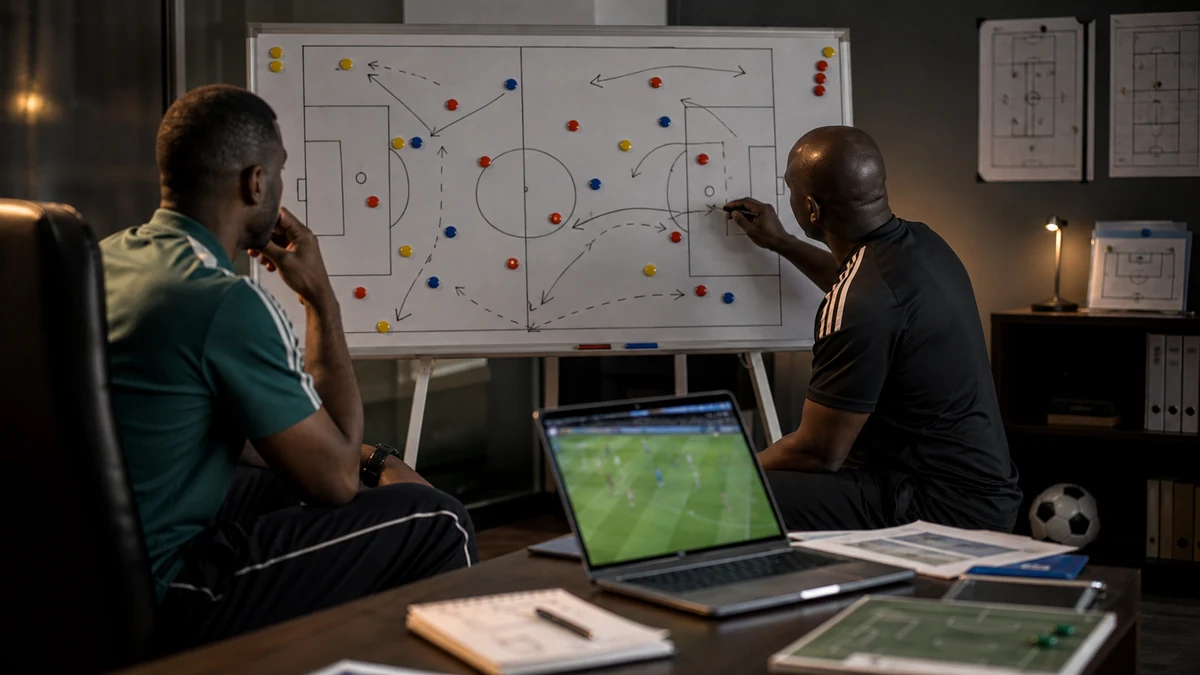
The strategic lesson is simple: tournament football is not one match at a time. If a team knows a one-goal defeat is better than a collapse, players can manage the final minutes differently. If a coach knows one extra goal can protect a third-place ranking, substitutions change too.
That is why World Cup 2026 should reward teams that combine talent with patience. Attacking quality still matters, but concentration in the last minutes, goalkeeper distribution, set-piece defending and card management can become the difference. The group table will not be background information; it will be part of the match itself.
A reader who wants to understand the tournament can track three things after every match: points, goal difference and discipline record. With that habit, the group stage stops looking like chaos. It becomes a story that can be followed, and fans can see why a coach chooses a safer option or why a team keeps chasing another goal.