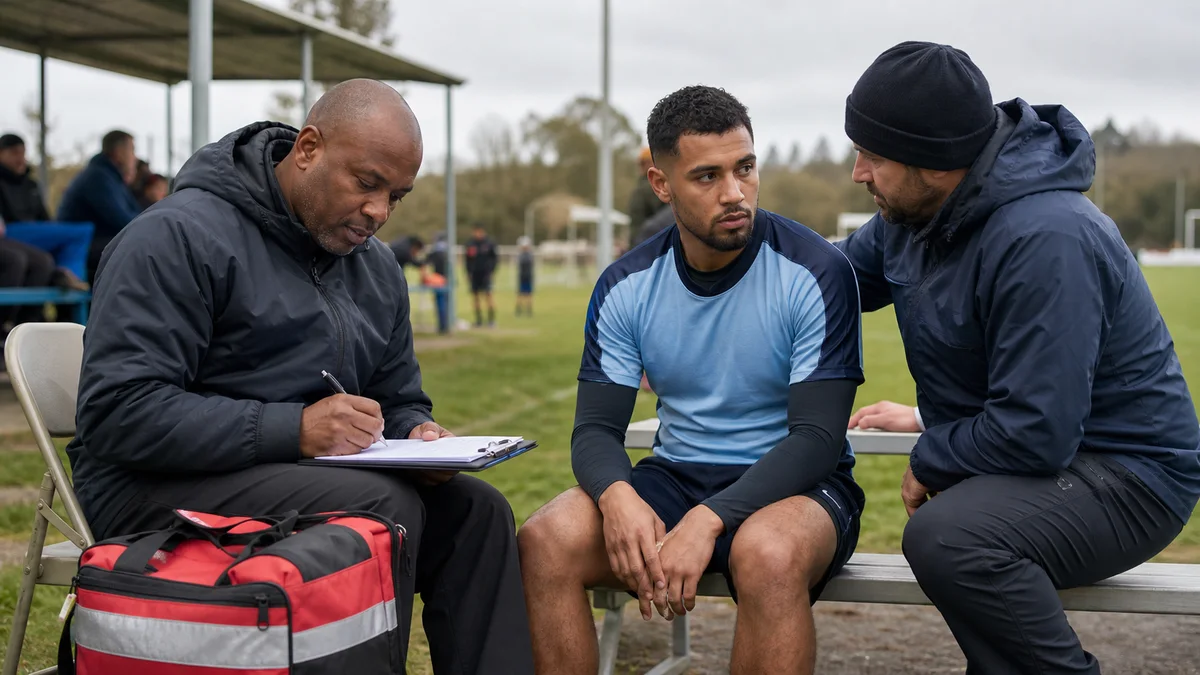
Grassroots sport needs better concussion records
A written injury history helps families and clinicians protect players instead of relying on memory.

Sports news with World Cup 2026, African football, match context, travel pressure and major tournament stories.
Sports coverage follows football, World Cup 2026, African teams, supporters and the logistics behind major tournaments.
Match stories are paired with context on travel, formats, squad depth and decisions that shape results.
 Creative freelancers need clear contracts before the first delivery
 Independent musicians need a metadata check before release day
 African film distribution needs a stronger subtitle workflow
 Election-result screenshots need a source-first verification rule
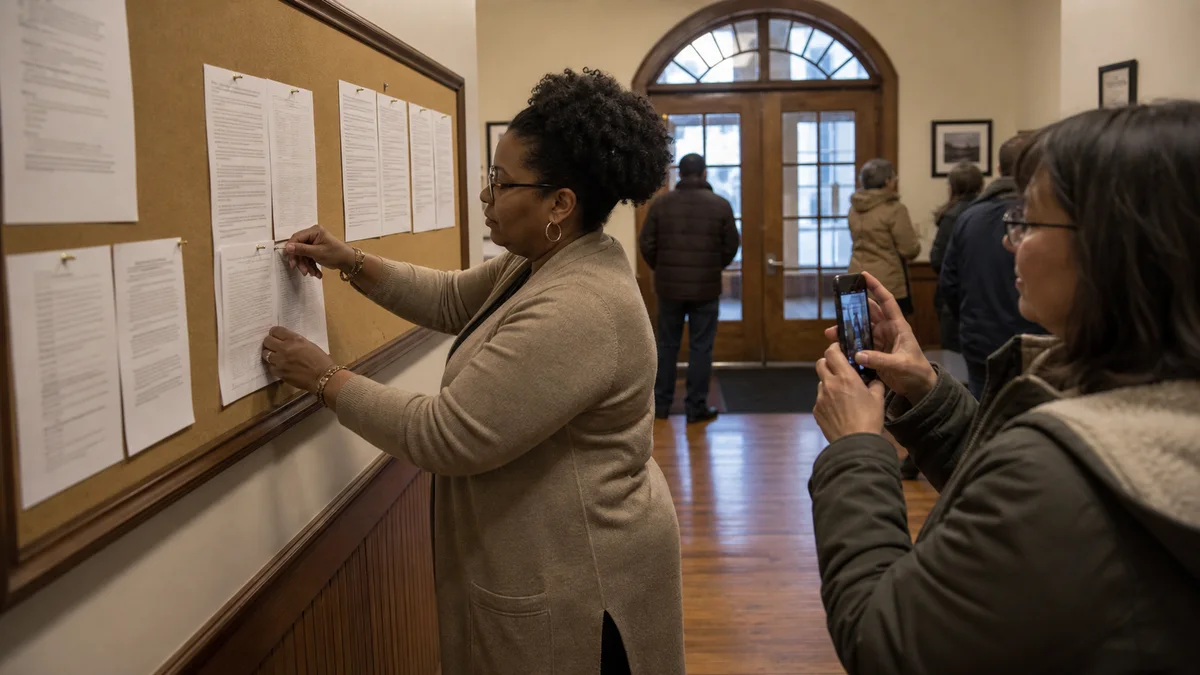 Local public meetings need accessible records after the room empties
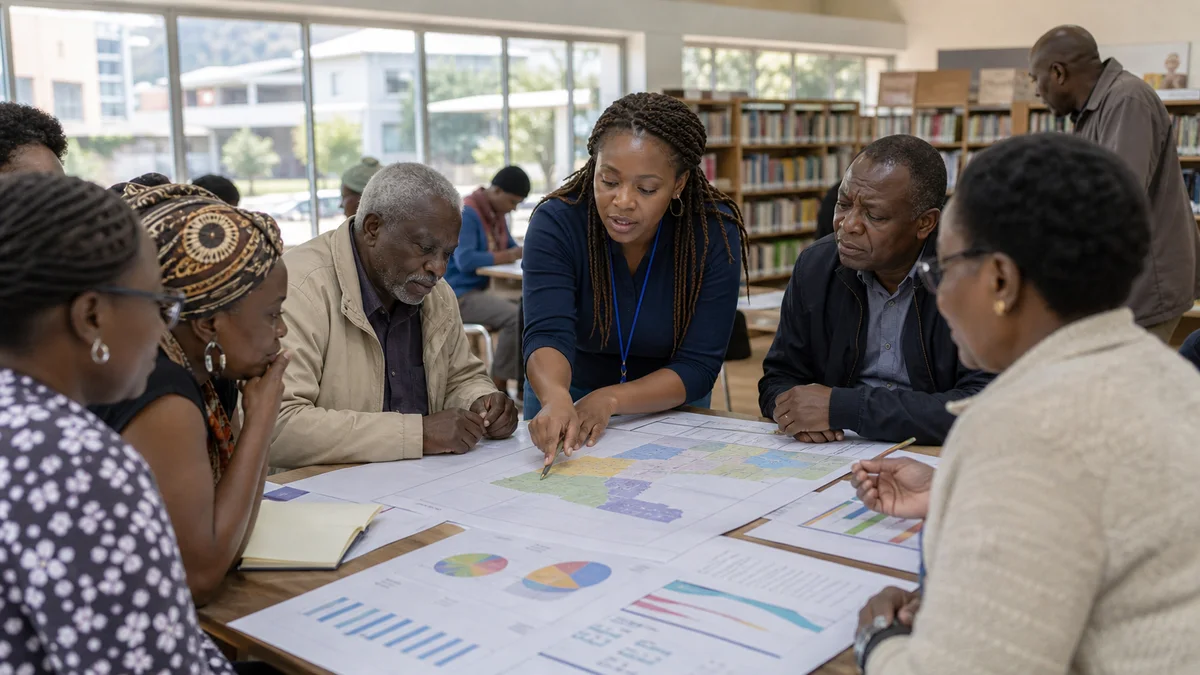 Public budgets need a plain-language summary residents can use
A written injury history helps families and clinicians protect players instead of relying on memory.

Coaches and families should know who can pause play and what warning signs require immediate action.

Changing time zones can affect recovery, attention and performance, especially when schedules are tight.
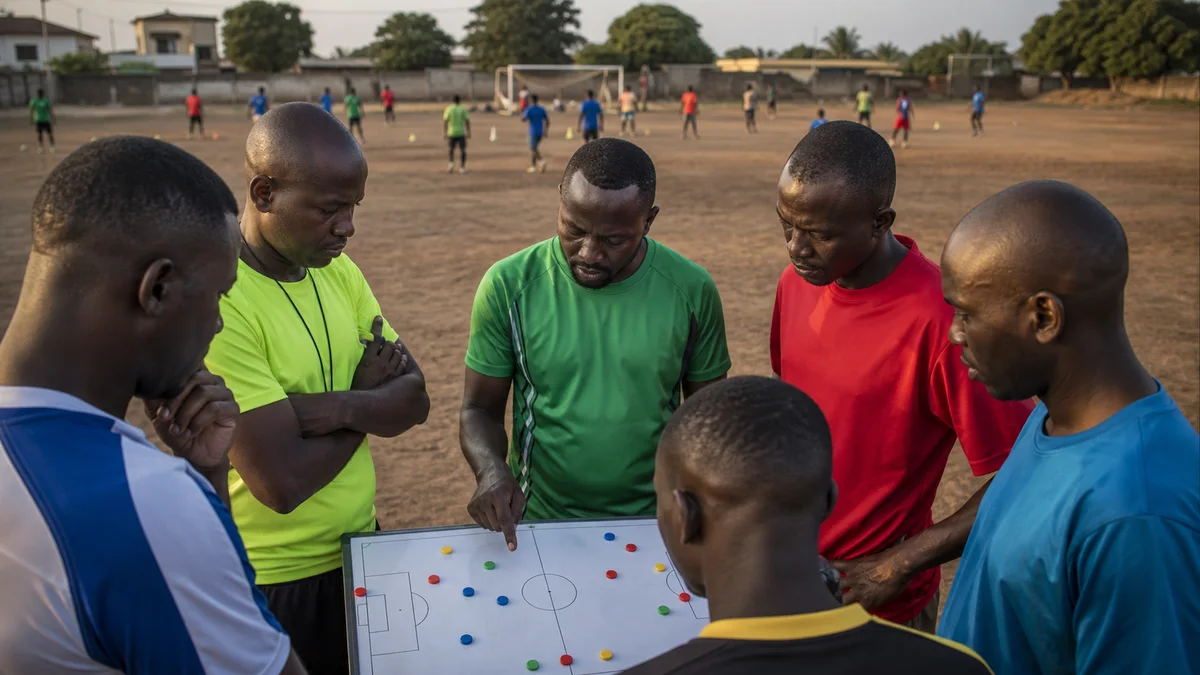
Training plans need to reflect available pitches, school calendars, climate and the realities facing community clubs.
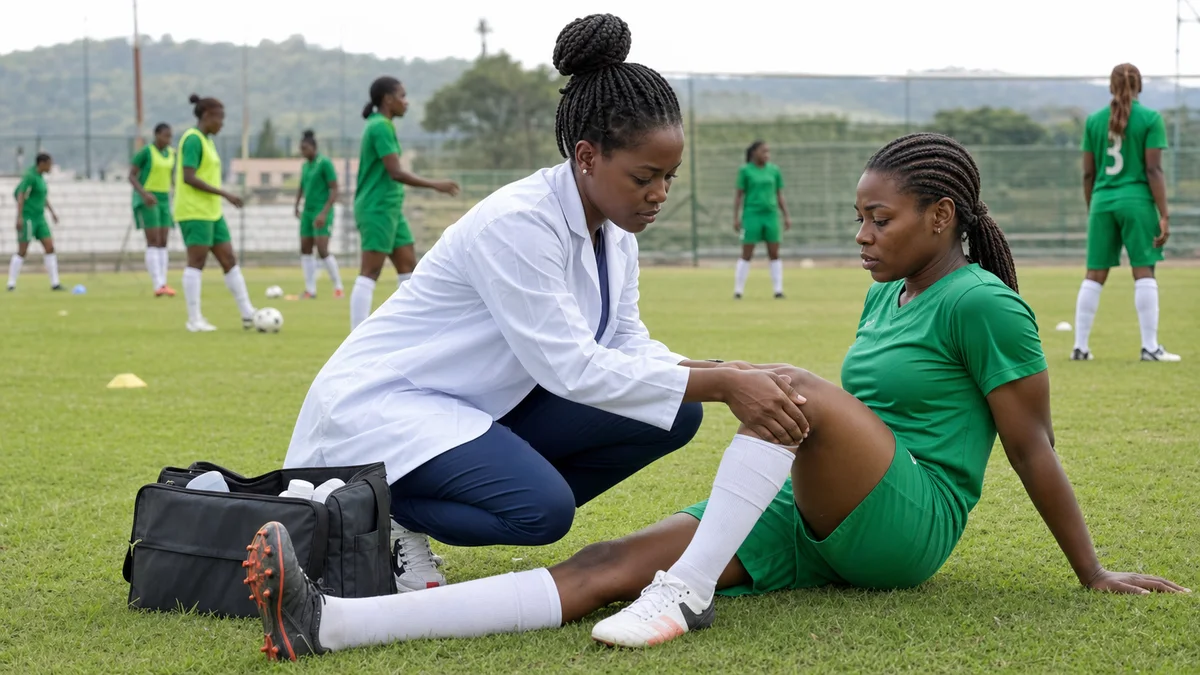
More fixtures should arrive with qualified care, injury records and return-to-play decisions that protect players.
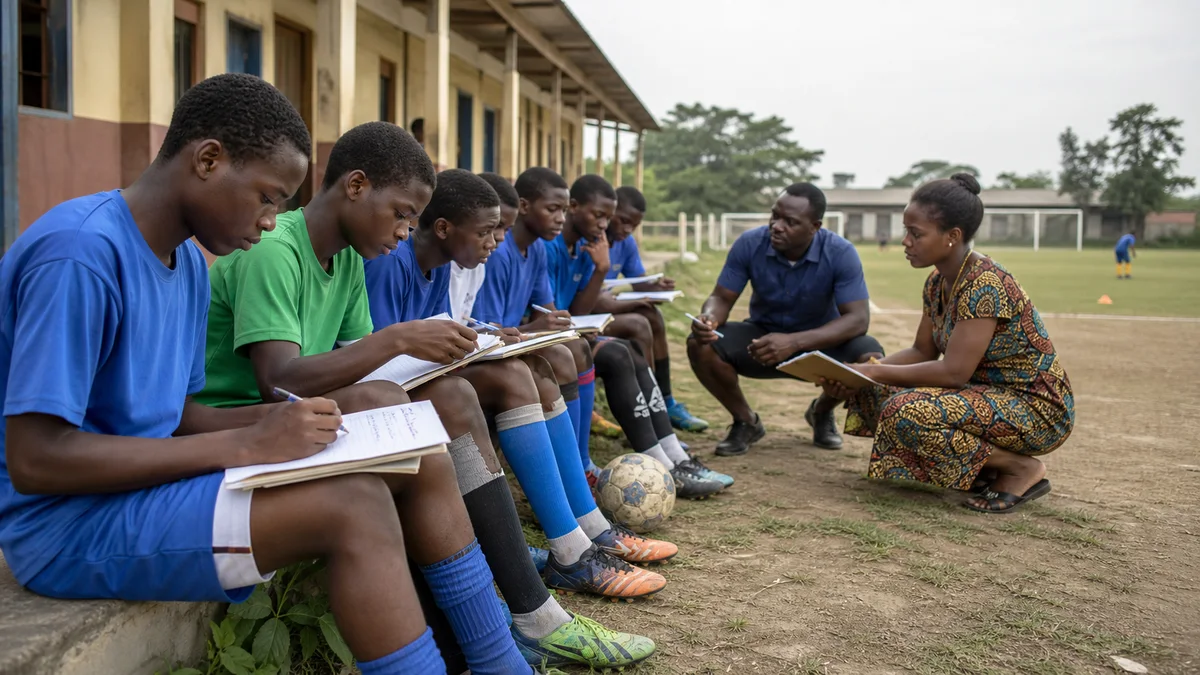
A promising player needs coaching, education and safeguarding that can survive one missed selection.
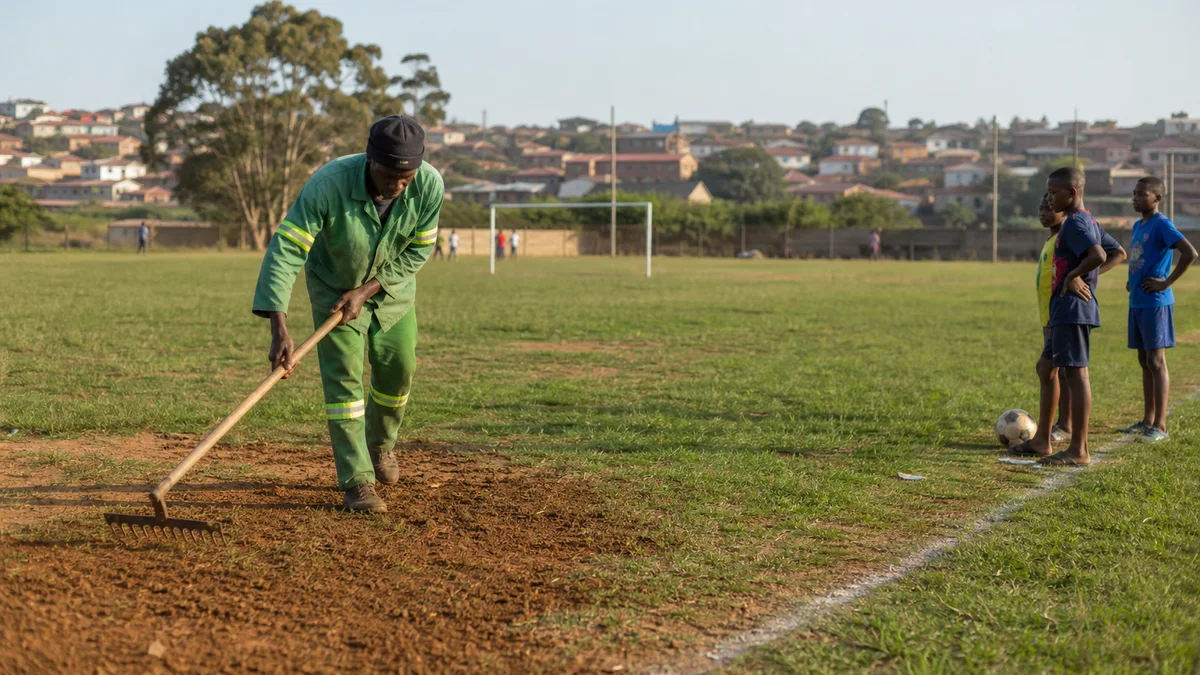
New attention matters more when local children can find safe, maintained places to play every week.

Language, safety and crowd-support experience can become a job asset when cities document it properly.
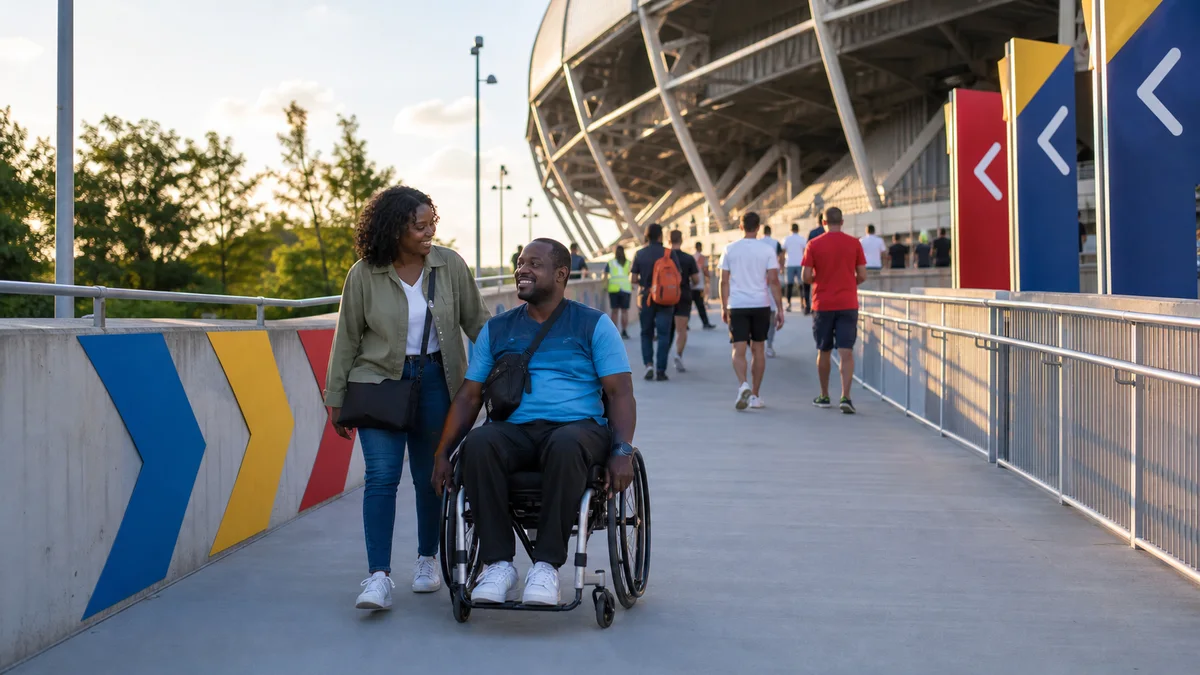
A stadium legacy should be measured by whether disabled supporters can plan, travel and enter with confidence.
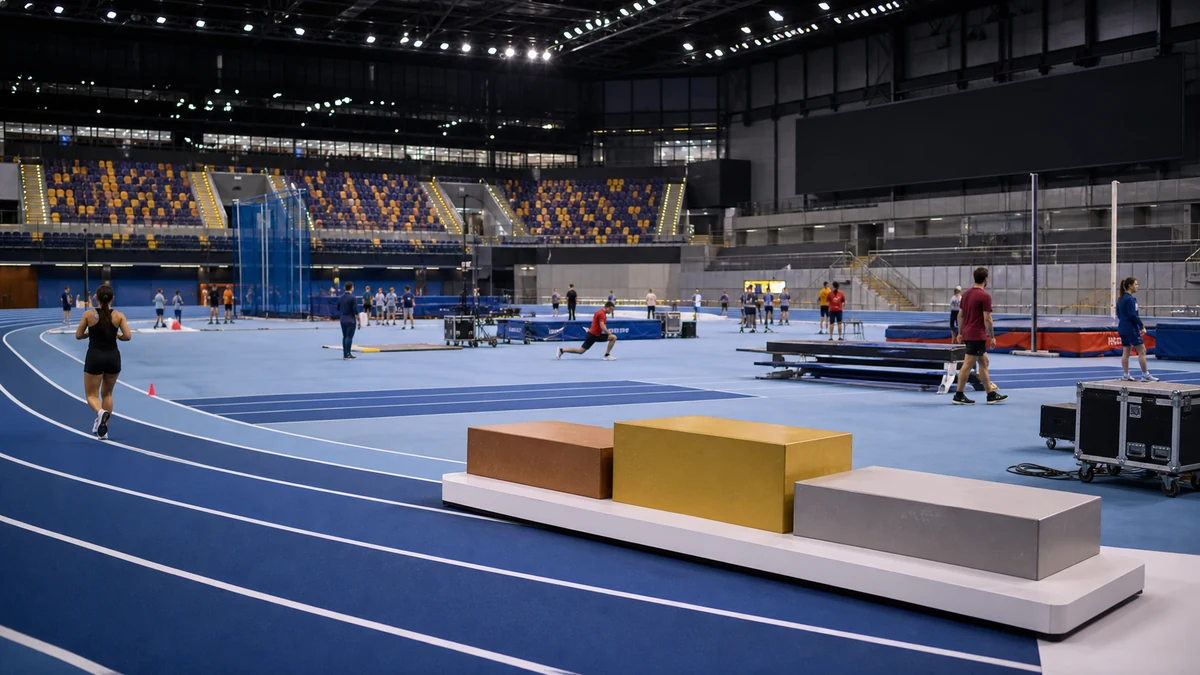
With fewer venues, ten sports and a tight event window, smaller teams need sharper medal targeting rather than a broad wish list.
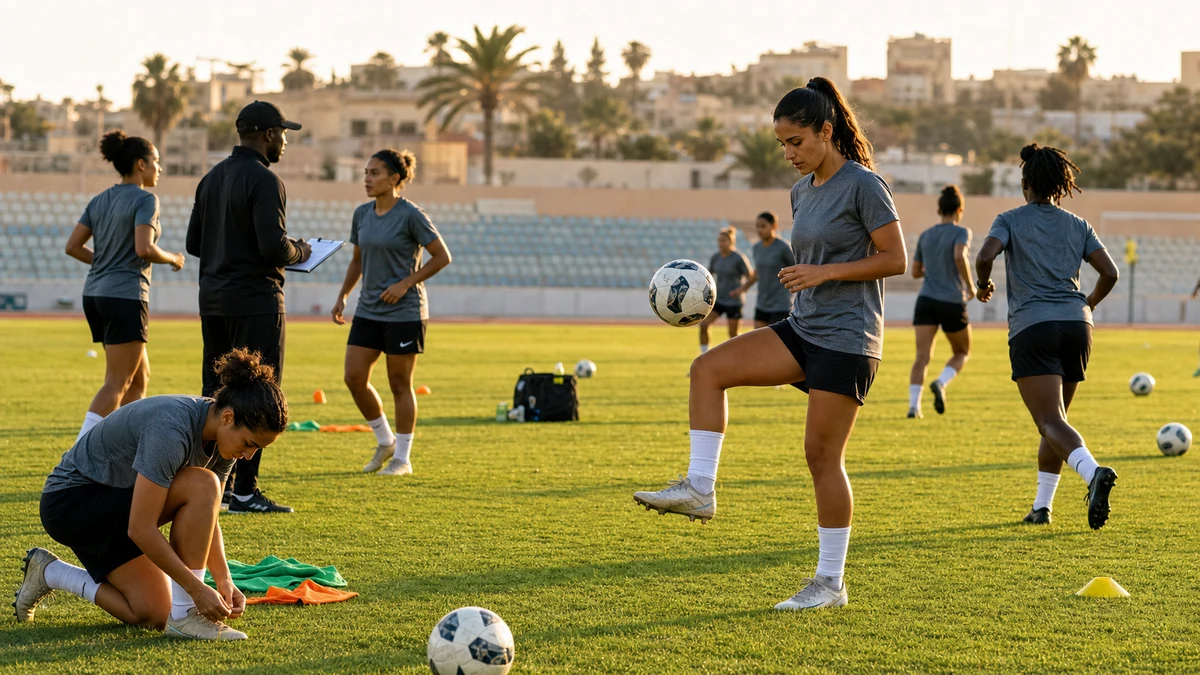
Morocco hosts a trophy race, but the tournament is also a World Cup 2027 qualifying window for clubs, agents and supporters.
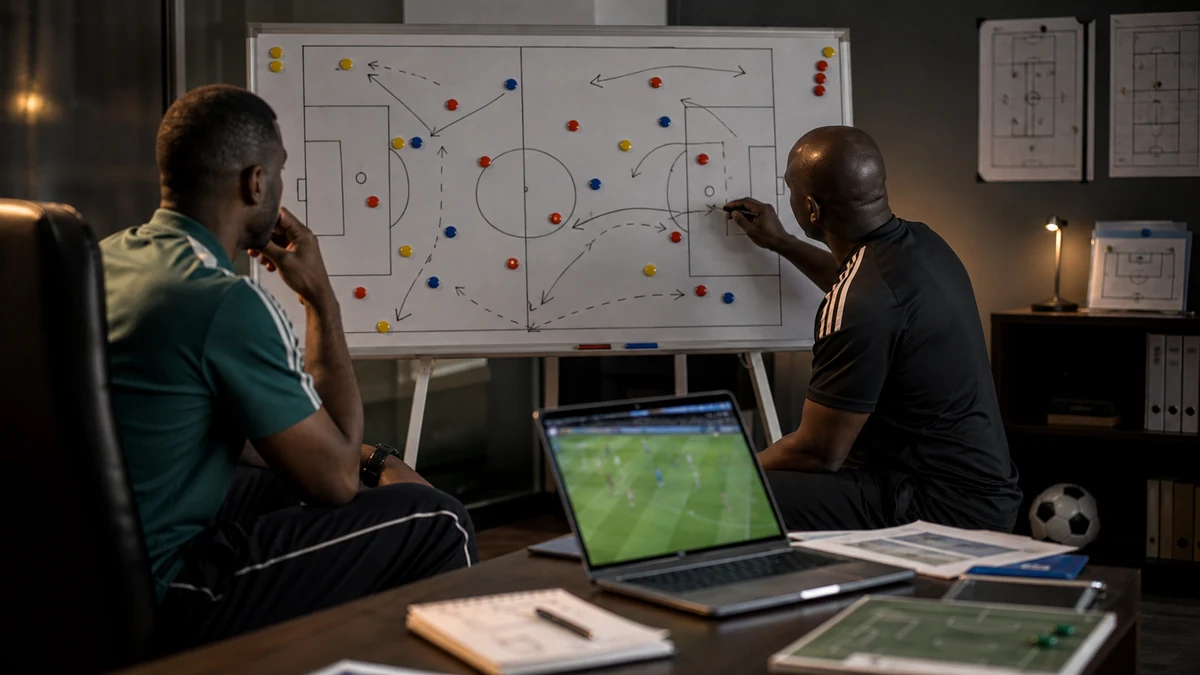
A 48-team tournament opened more doors, but the month also showed why recovery, scouting and bench structure matter as much as a bigger field.

Final-week prices made the pressure obvious, and fans should treat official accounts, visible fees and written records as basic safety tools.
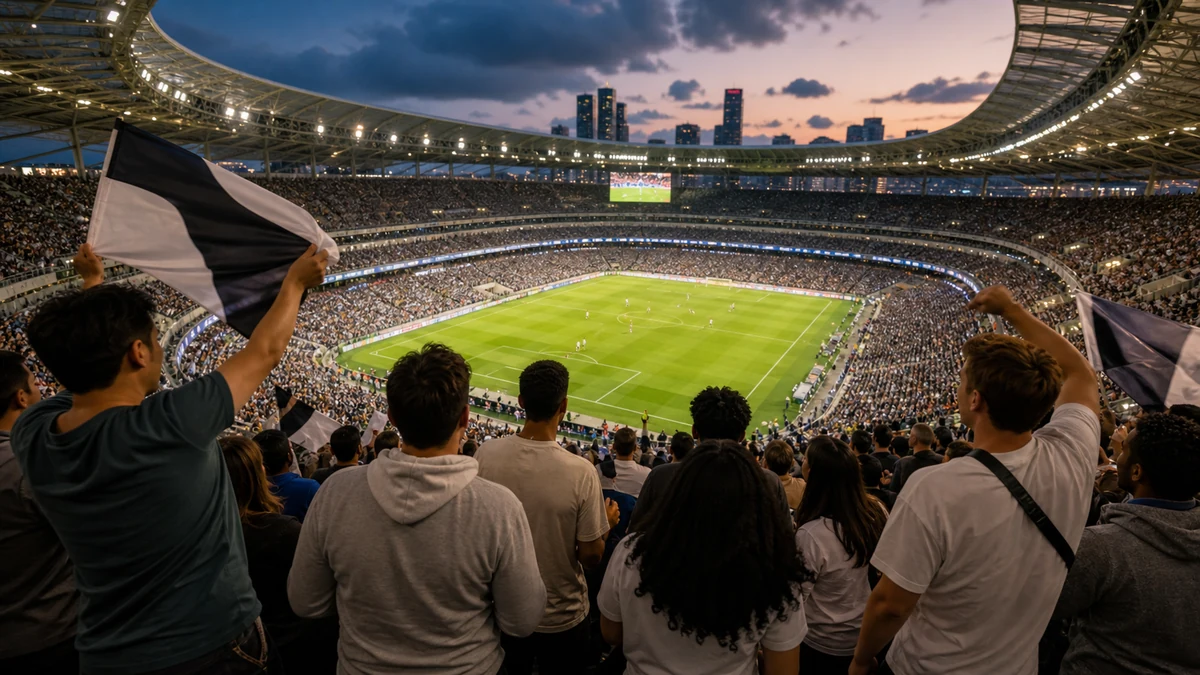
Spain lifted the trophy against Argentina, but the larger lesson is how cities, broadcasters and grassroots programs handle attention after the final whistle.

The 3:42.66 run at the London Diamond League made history, but the deeper story is about a public goal executed with exact pacing.

CAF's Morocco tournament starts on July 26 with 16 teams, tighter logistics and a development test beyond the trophy race.
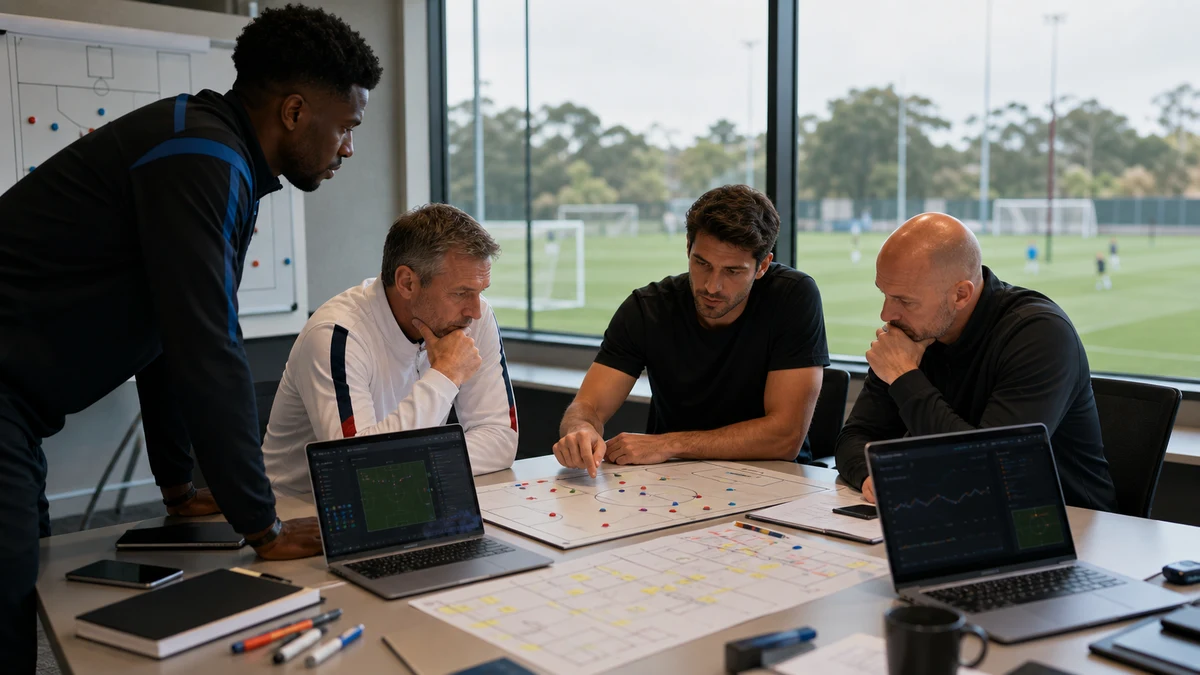
Forty-eight teams, 104 matches and an extra knockout round mean ambitious federations need deeper files, better data and earlier travel planning.
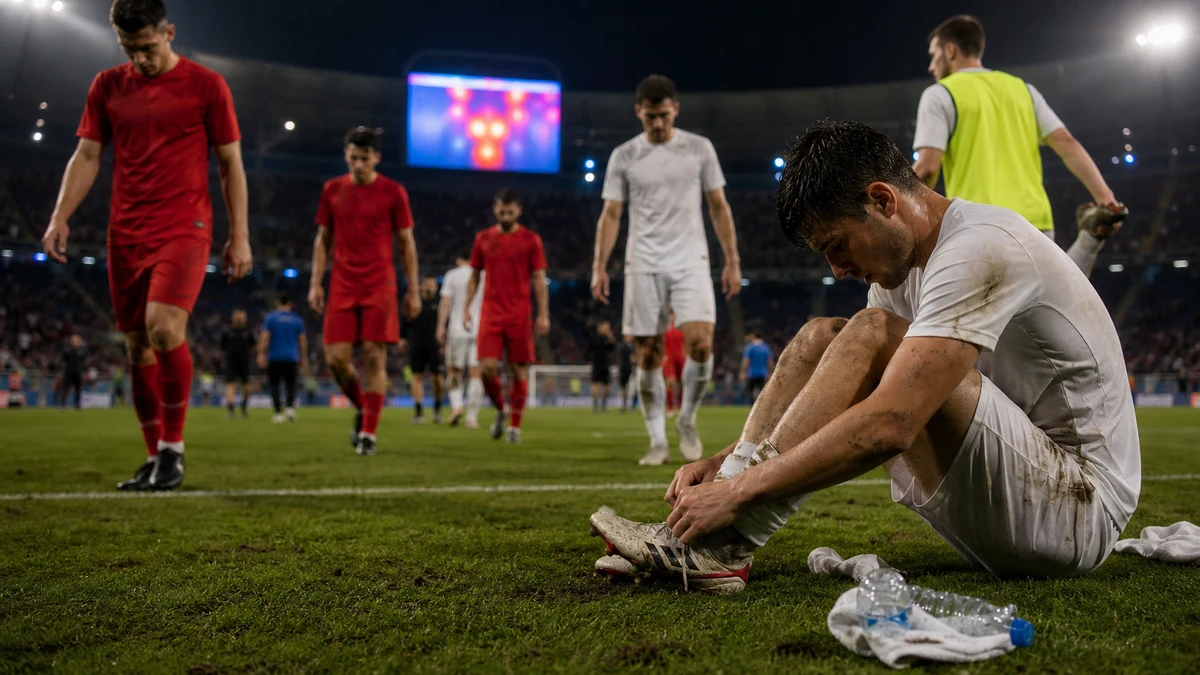
England's 6-4 win over France turned a consolation fixture into a sharp lesson about fatigue, rotation and late-tournament depth.
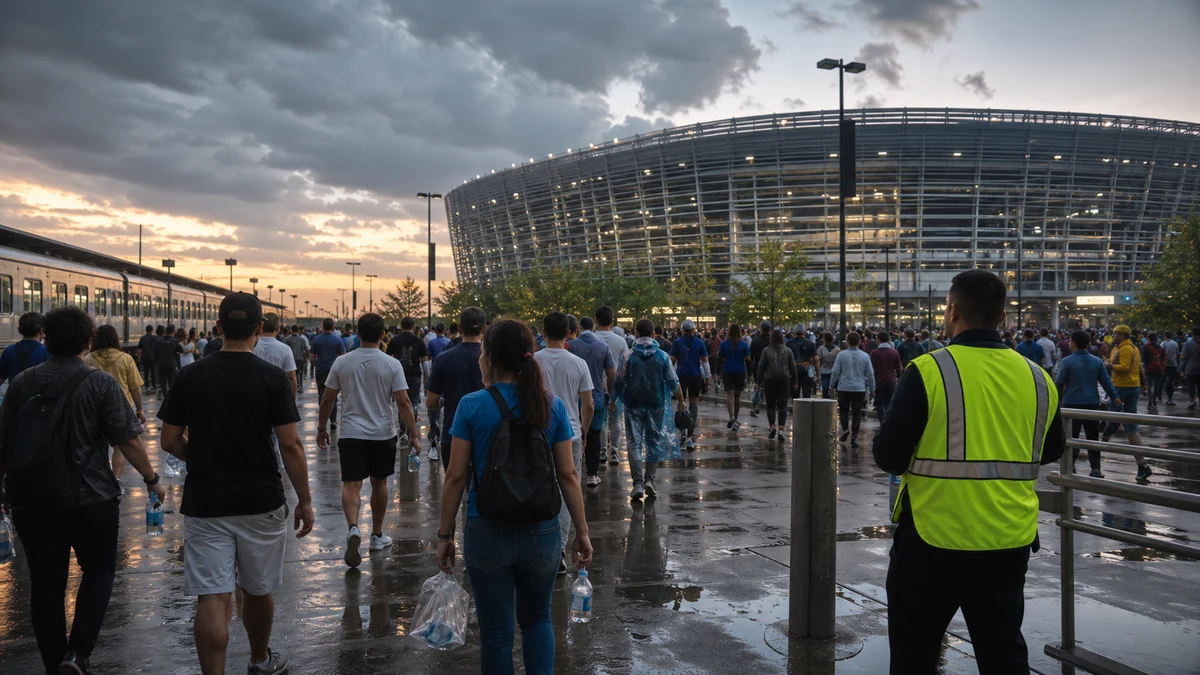
Argentina and Spain meet on July 19, but supporters also need a clear plan for smoke alerts, stadium exits and the trip home.
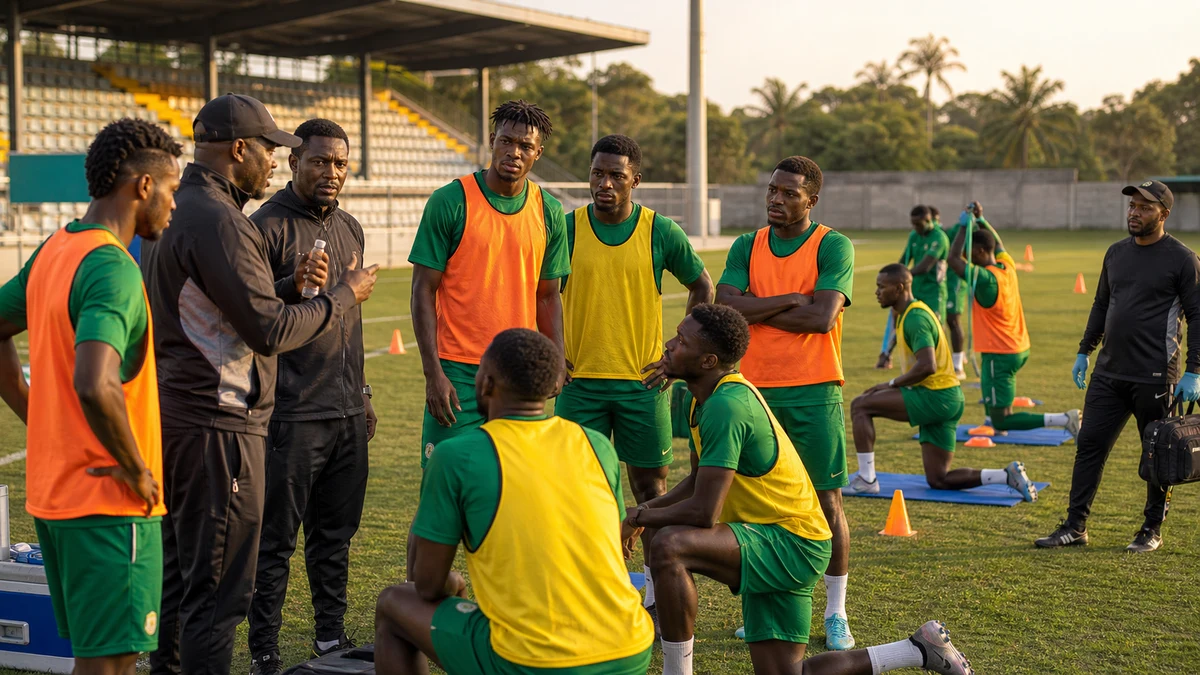
The clubs that connect travel, rest, youth minutes and injury notes often survive the longest runs.
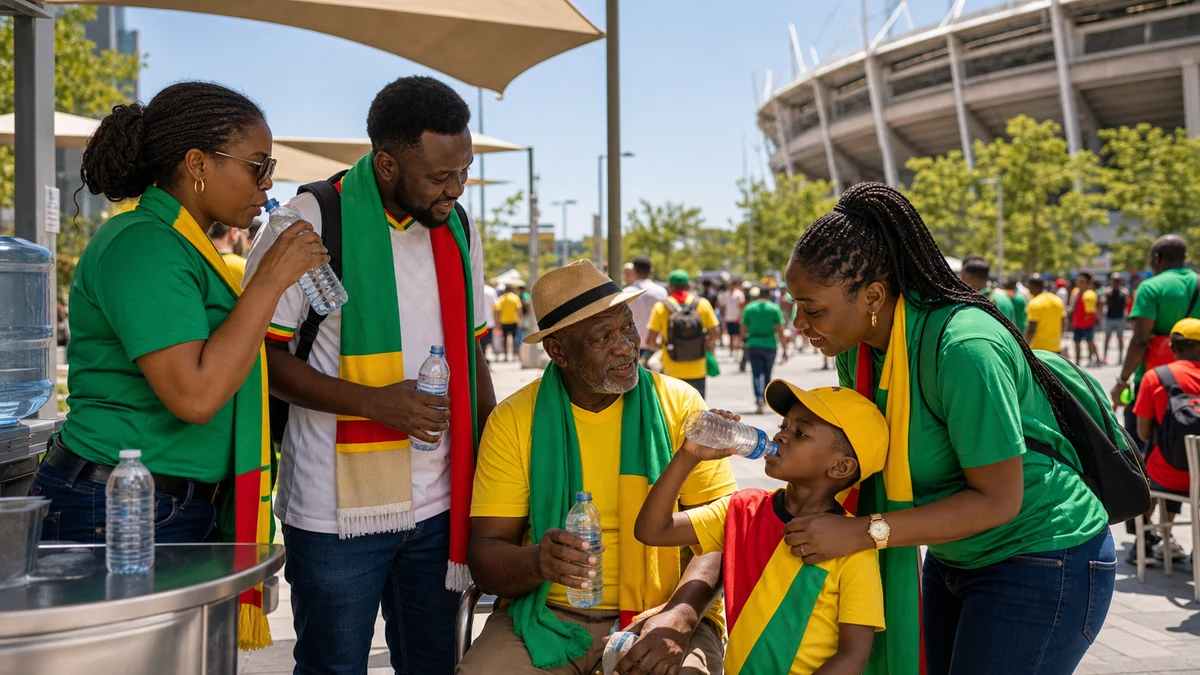
Water, shade, rest and timing can protect fans who may spend long hours in crowds before and after matches.
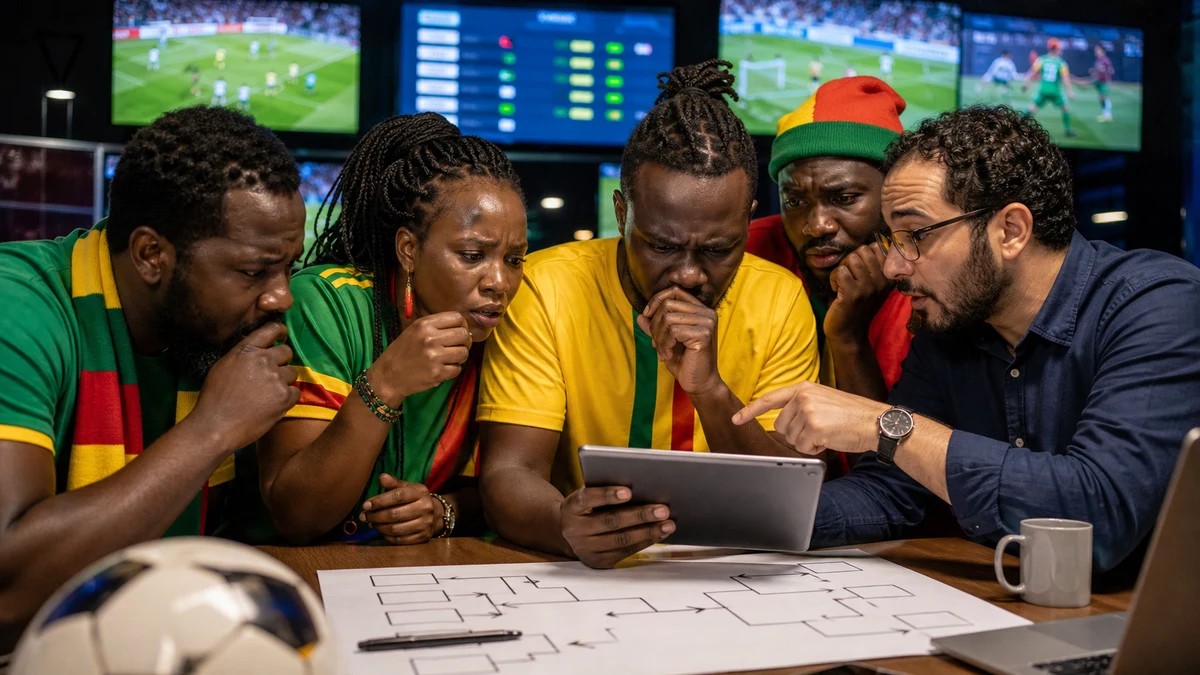
A team may leave the field unsure whether its result is enough because other groups can still change the path.
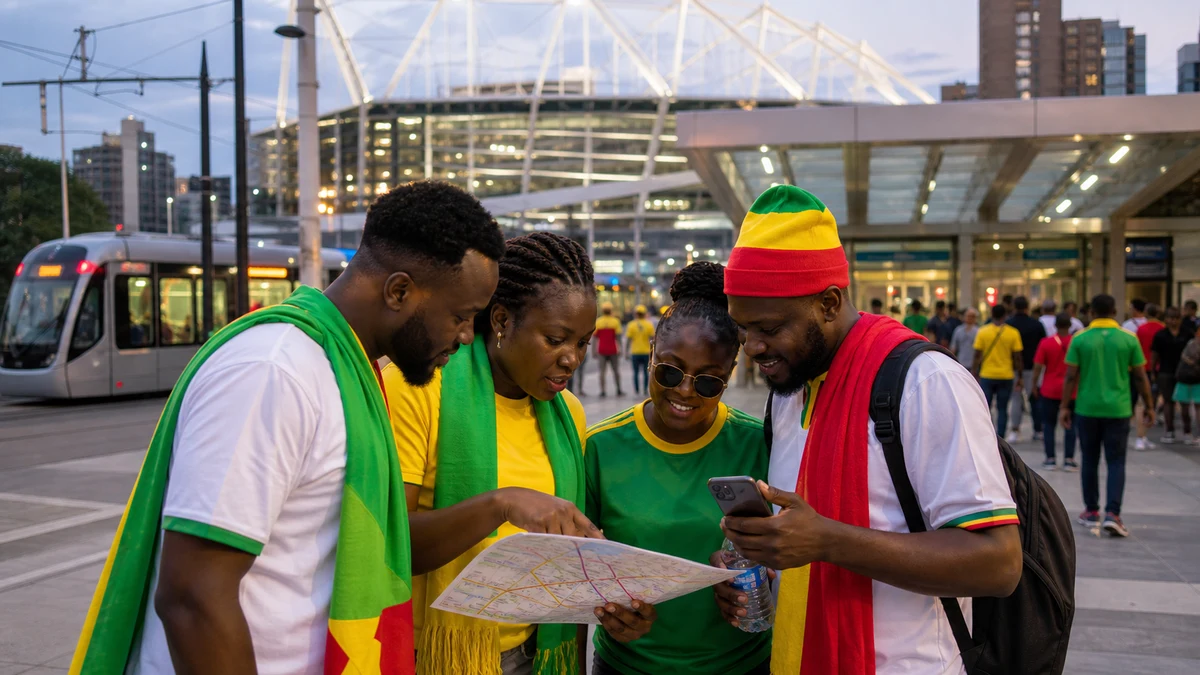
The tournament spreads across three countries, so the cheapest room is not always the easiest match-day plan.

Scouting works better when young players are tracked with education, health and coaching support, not only early hype.
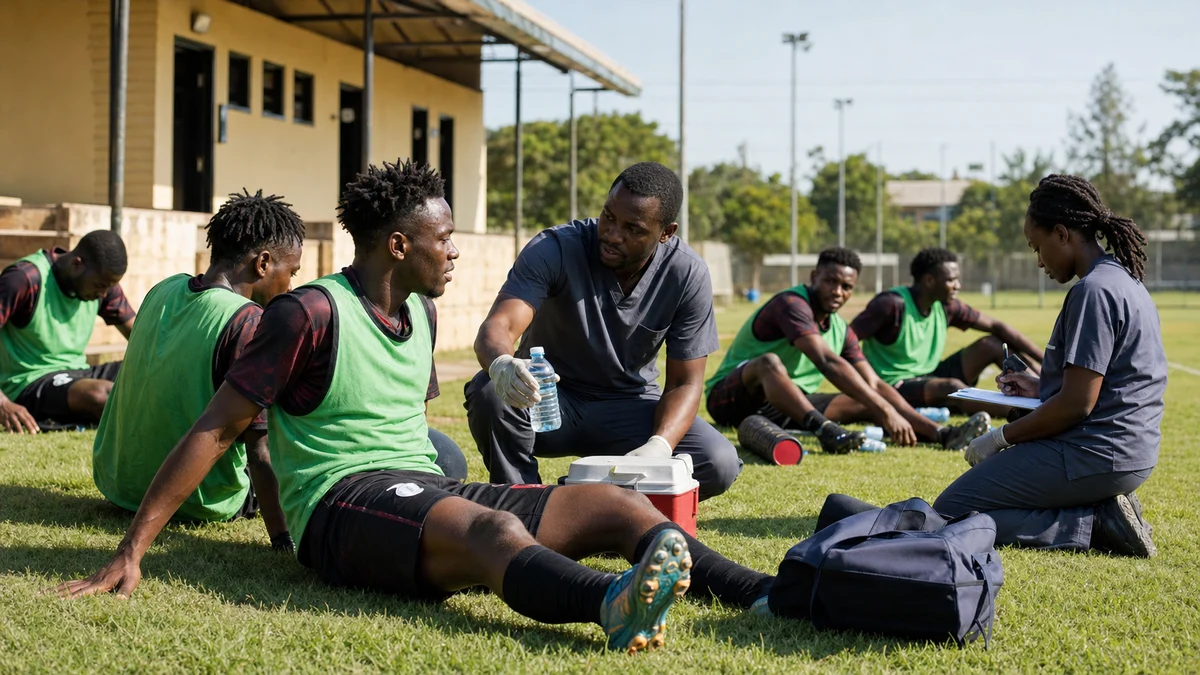
CAF competitions, domestic leagues and travel demands can grow the game only if rest, medical care and planning keep pace.

Forty-eight teams, 12 groups and a round of 32 mean fans need clear points, goal difference and tie-breakers.
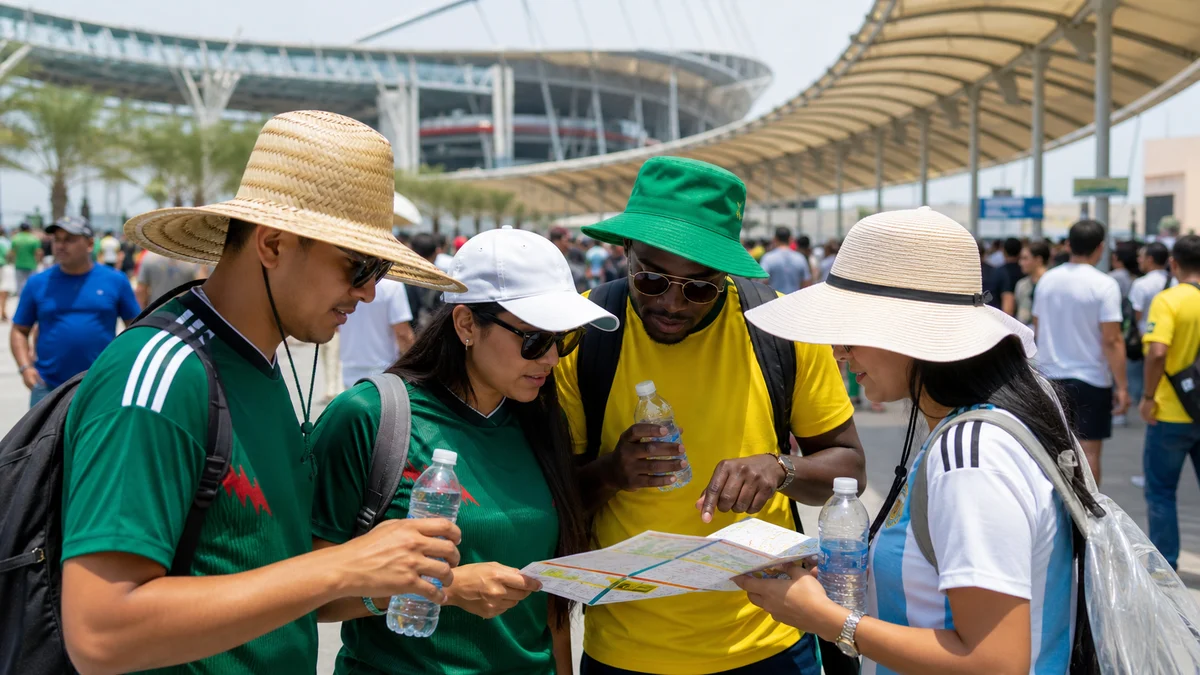
Fans in stadiums and at home need water, sleep and timing plans as matches move across several time zones.
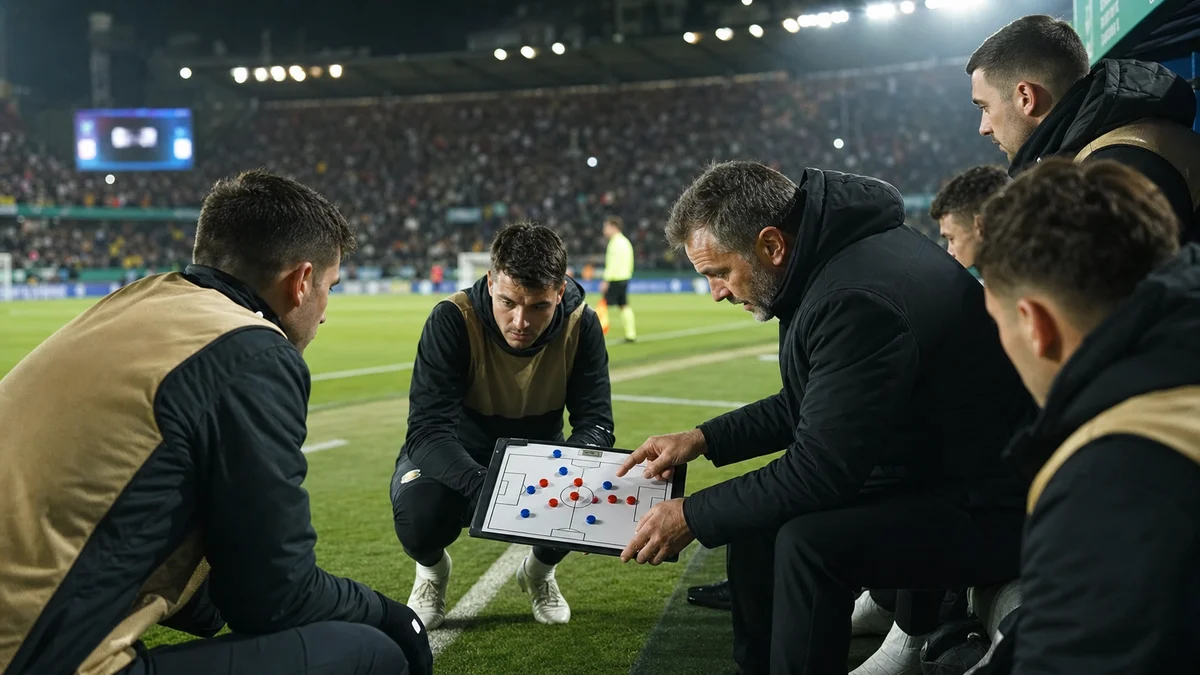
Late substitutions, cards and tired legs can turn a one-goal lead into a tactical exam, not just a scoreline.

Tickets, hotels, flights and city transport can make a trip expensive before matchday even arrives.

CAF fans and diaspora groups will need to check tickets, visas, lodging and domestic transport before match-day excitement arrives.