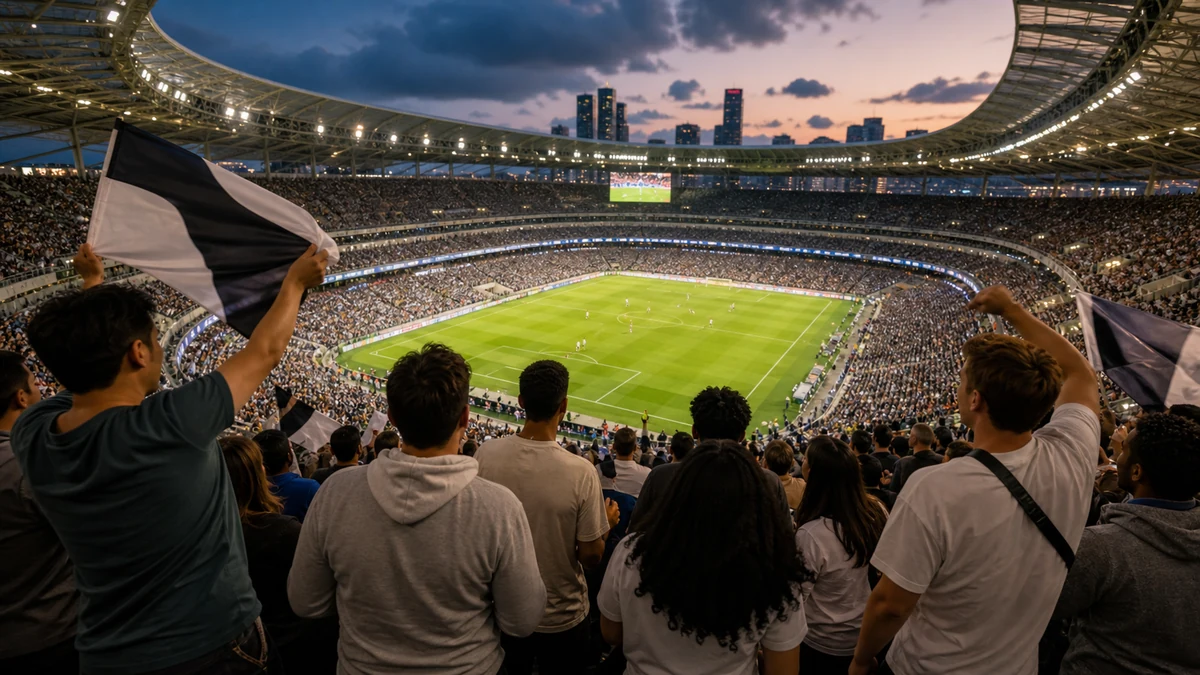
The expanded World Cup 2026 is over, and the lesson for African football is bigger than the extra places. Forty-eight teams, 12 groups and 104 matches gave more countries a path onto the main stage. It also made clear that a nation hoping to last deep into the tournament needs a system stronger than a starting eleven.
AP argued that the new format did not drain the tournament of drama, because underdogs and tense knockout paths kept attention high. That should encourage African federations. More qualification routes can give ambitious teams a real platform. The hard truth is that a platform is only the beginning. It does not replace planning.
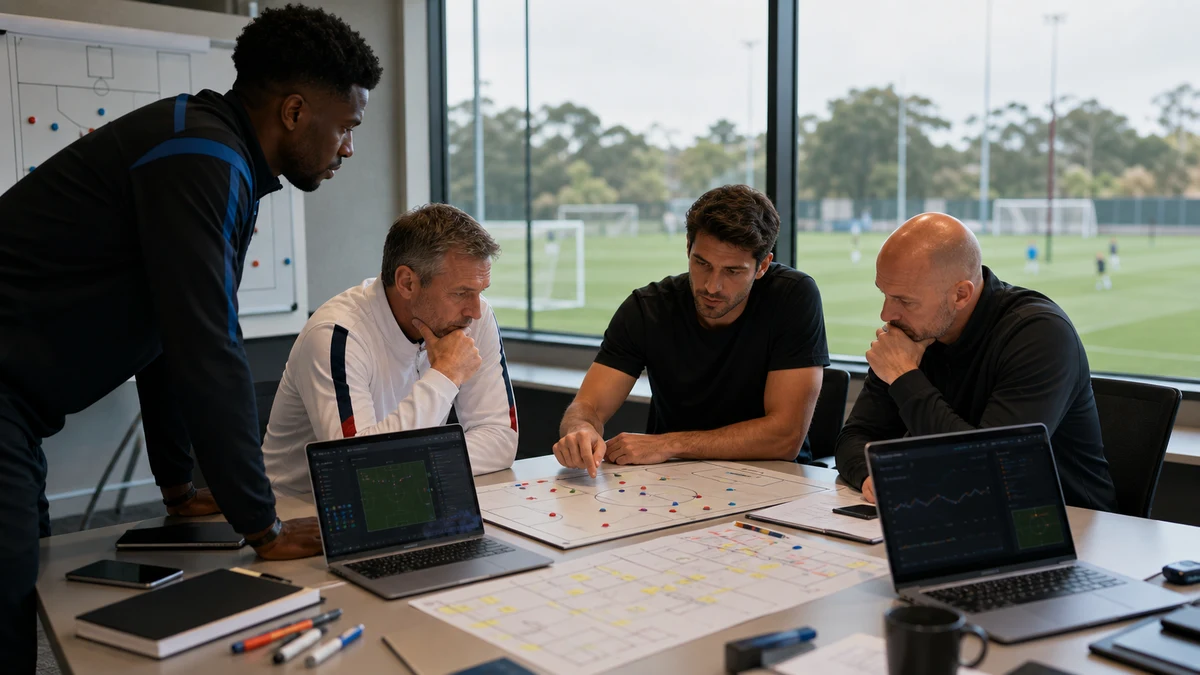
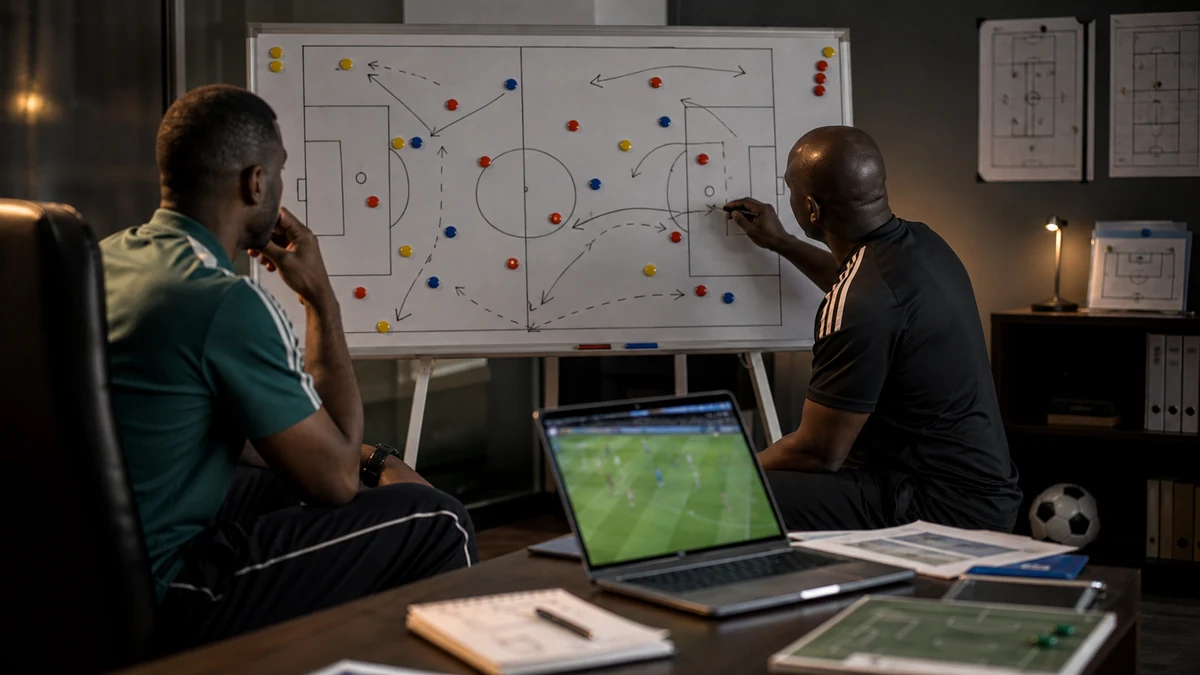
The first lesson is scouting. A staff cannot prepare for only one familiar opponent and then wait. Third-place routes, travel distances, heat, playing surfaces and tactical styles can change quickly. Teams that combine video, data and local knowledge before the tournament are better placed to adjust during it.
The second lesson is recovery. More matches mean careful training loads, nutrition, medical communication and minutes for players outside the usual core. Substitutes matter only if they can play the same structure as the starters. Fresh legs without shared habits can make a tired team more open, not more secure.
The third lesson is public expectation. One good result can make supporters speak as if a final run is certain; one loss can make the same plan look broken. Federations and coaches need a clear message about goals, progress and gaps. That steadies the group when the noise rises.
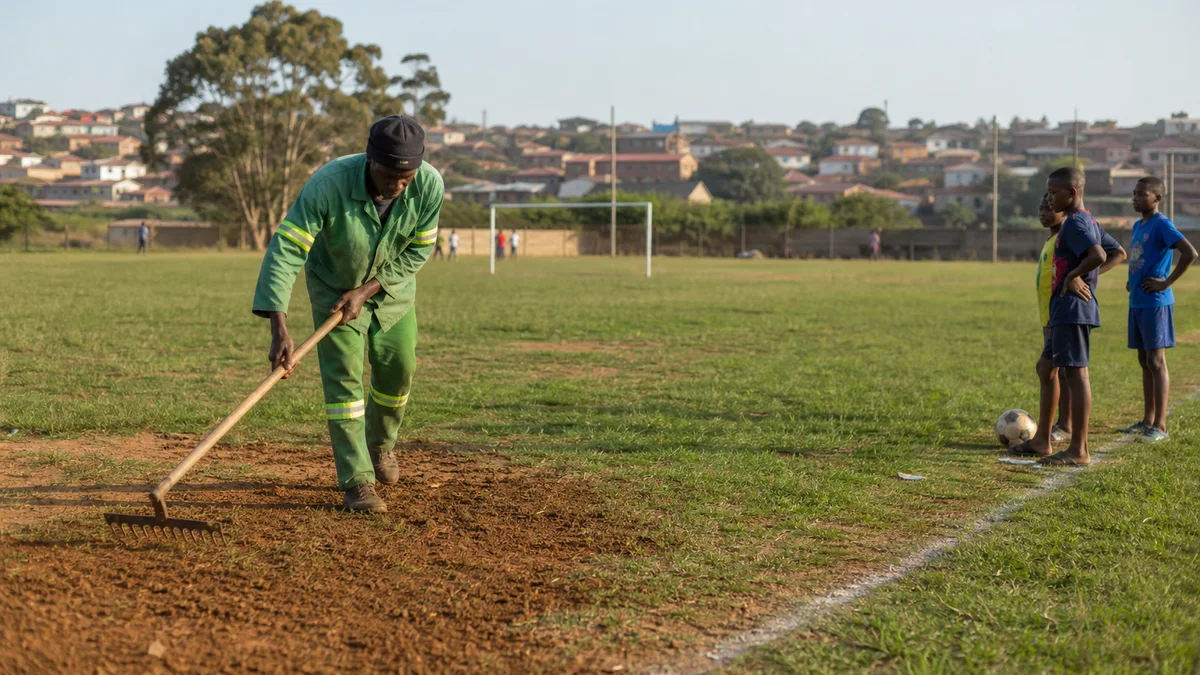
For African football, the new World Cup is a month-long management exam. Qualification opens the door, but structure keeps a team standing. If federations connect scouting, recovery, youth pathways and coach education, the larger format can become a sporting opportunity instead of a larger photo opportunity.