The World Cup 2026 bracket will be exciting, but it will also be more complex than the tournaments many fans are used to following. Forty-eight teams, 12 groups and a round of 32 mean the qualification picture can change across many matches. A supporter watching one team may need a result from another city before the table makes sense.
The expanded format gives more countries a chance, and that is good for global football. But it also gives fans more math. Points, goal difference, goals scored, discipline record and head-to-head rules can all become relevant. A late goal in another group can give a team waiting at a hotel either relief or heartbreak.
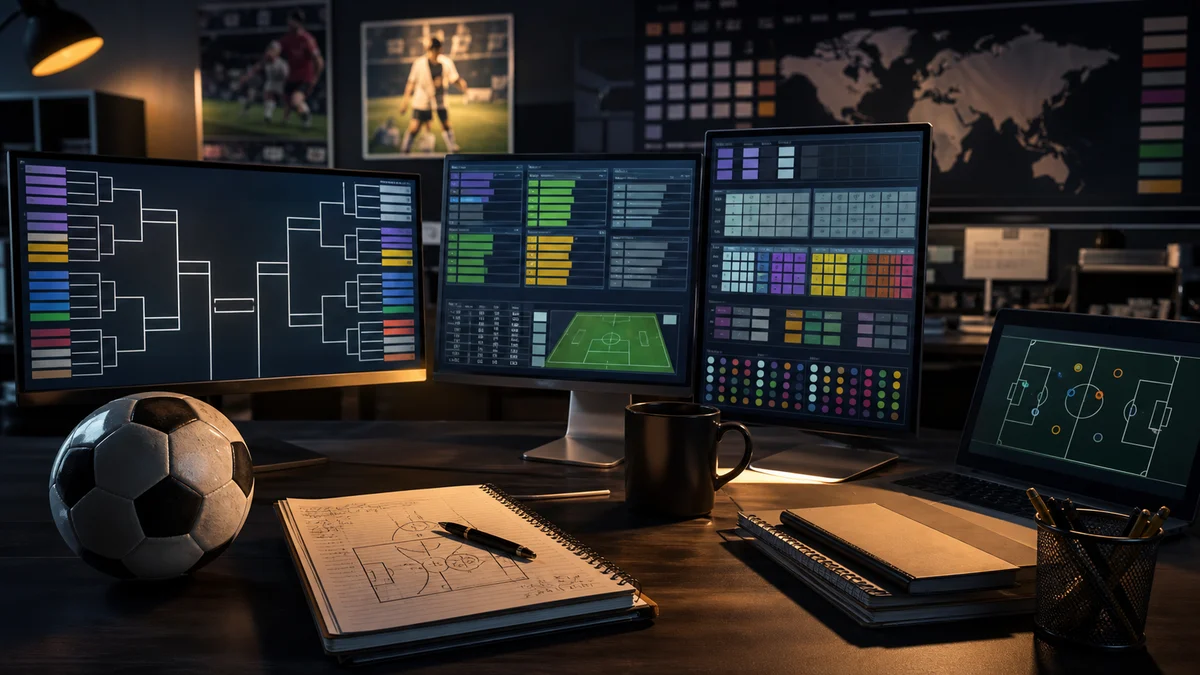
Newsrooms and fan pages need live tables that are clear. A graphic can look beautiful, but if it does not show the update time or the tie-breaker rule, it can create confusion. The reader needs to know when the table was updated, what rule is being applied and whether a match still has stoppage time. Trust comes from clarity, not only color.
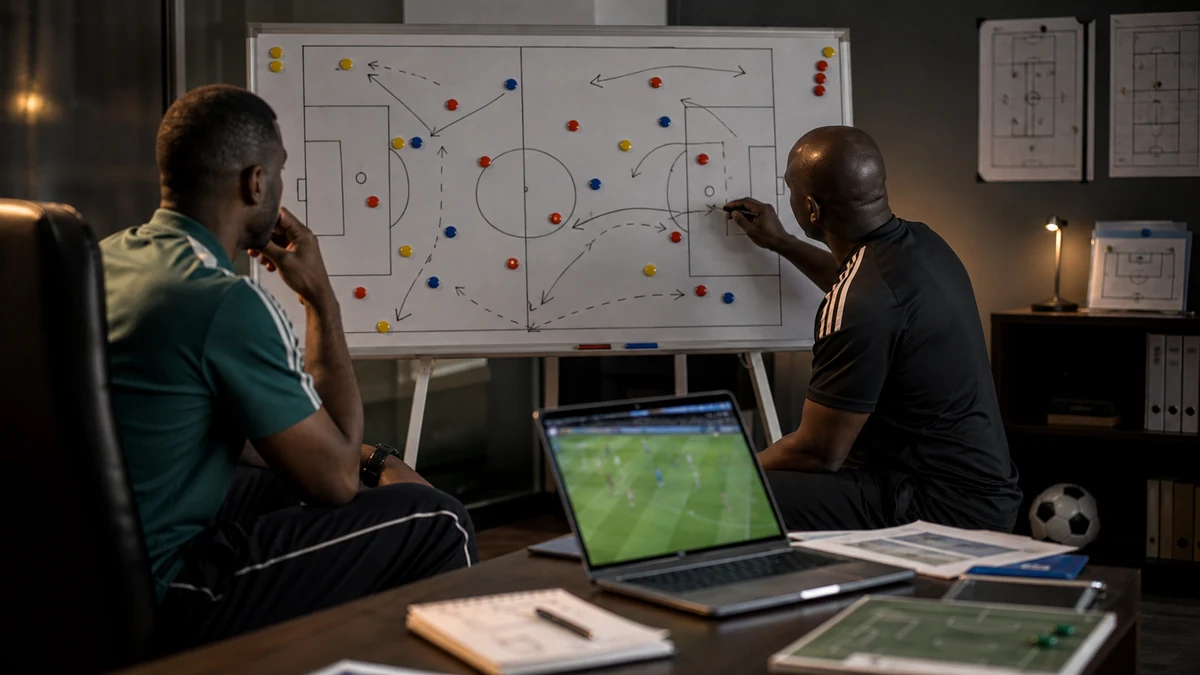
Coaches will watch the table in real time too. Sometimes a draw is enough; sometimes one more goal changes everything. The danger is that players can become too careful if the message from the bench is confused. Staff must communicate simply: protect the draw, chase one goal, avoid a second yellow or keep goal difference safe.
Fans in Accra, Kumasi, London, New York, Toronto or Dubai may follow the tournament through phones and second screens. That makes accuracy important. A screenshot moving through social media can be old within minutes. A live table should show source, time and remaining matches so readers do not share stale standings.
The guide below helps readers understand the bracket. It does not replace official standings, but it shows which columns deserve attention. In a wider tournament, the table is no longer background furniture. It becomes part of the drama, part of the tactics and part of how supporters read every late goal.