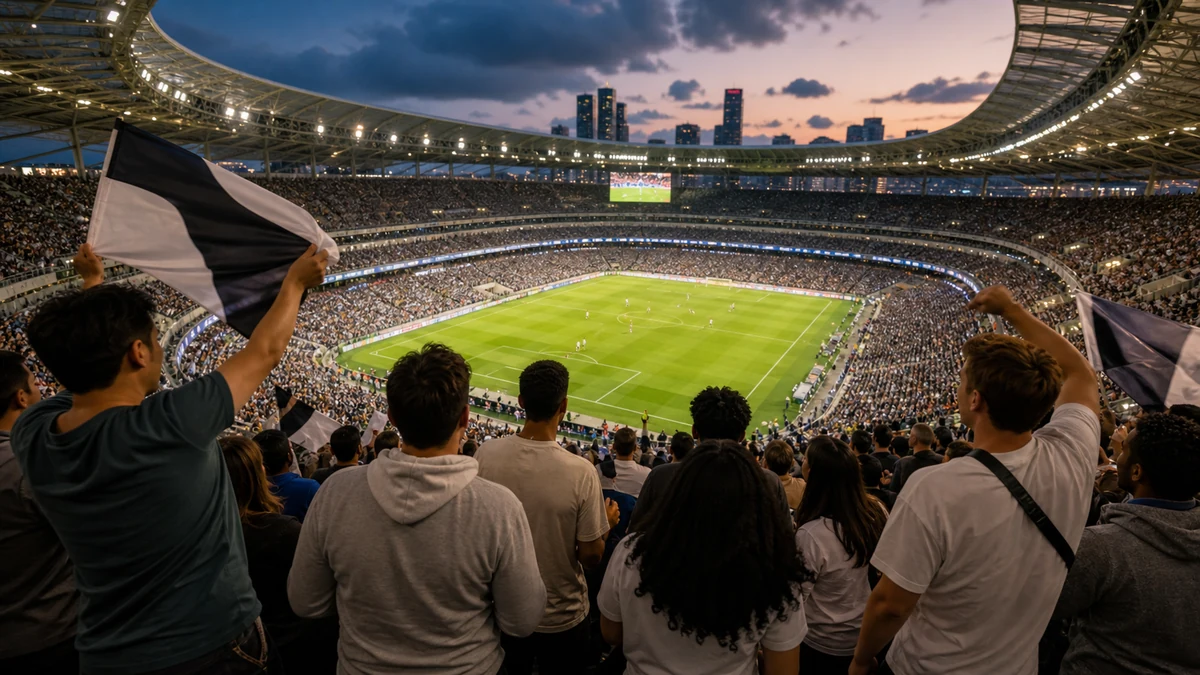
The World Cup 2026 final gave Spain the trophy over Argentina, but the larger story did not end with the presentation. AP reported a huge American television audience for the final, while FIFA framed the tournament as a record event for attendance, reach and public attention. That turns the last week into a test of host-city legacy, not only football memory.
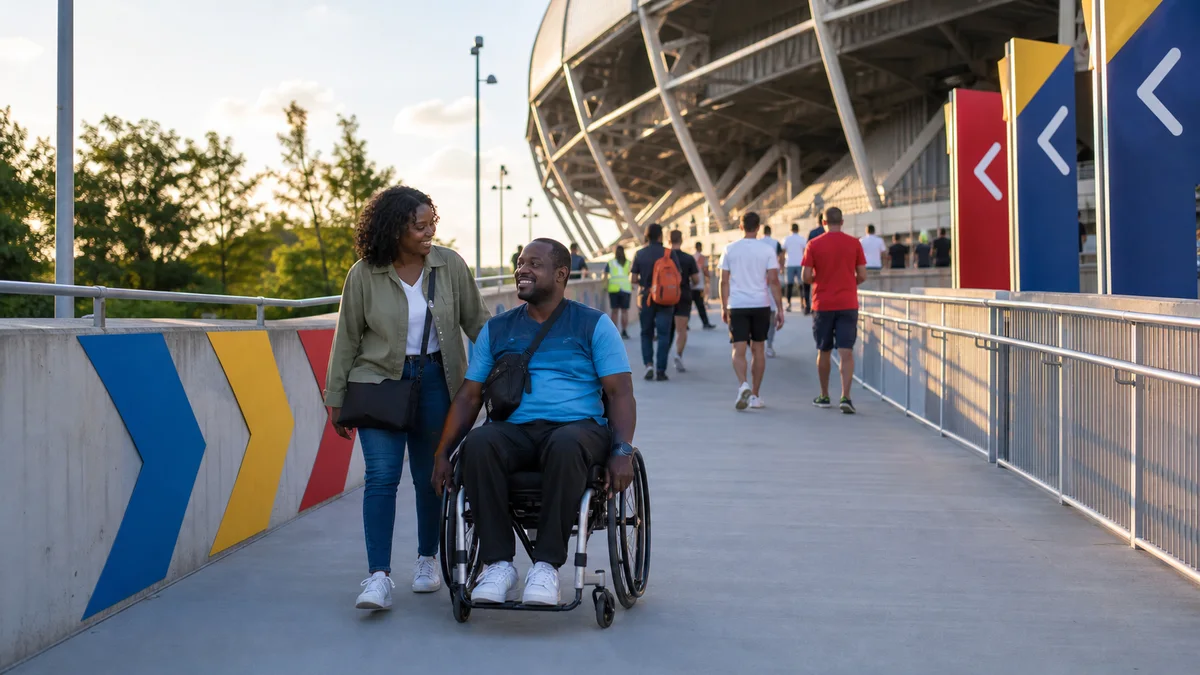
When a tournament lands in a city, the job continues outside the stadium. Transport, security, multilingual information, ticket support and residents who are not football fans all become part of the event. A city that handles those details well can earn repeat visitors and civic trust. A city that treats the final as one isolated night risks losing the wider benefit.
The diaspora layer matters too. Families watching at home, in bars, in churches or in community halls can keep talking about travel, work, youth football and cultural identity long after the trophy is lifted. If cities and clubs want that attention to become useful, they need calm follow-up instead of one more celebratory post.
The audience numbers also prove the value of language access. Spanish-language coverage and streaming helped more people follow the match in the form that felt closest to them. African and Caribbean media teams can take the same lesson. A global match does not live in one language; it moves through households, cities and mixed communities.
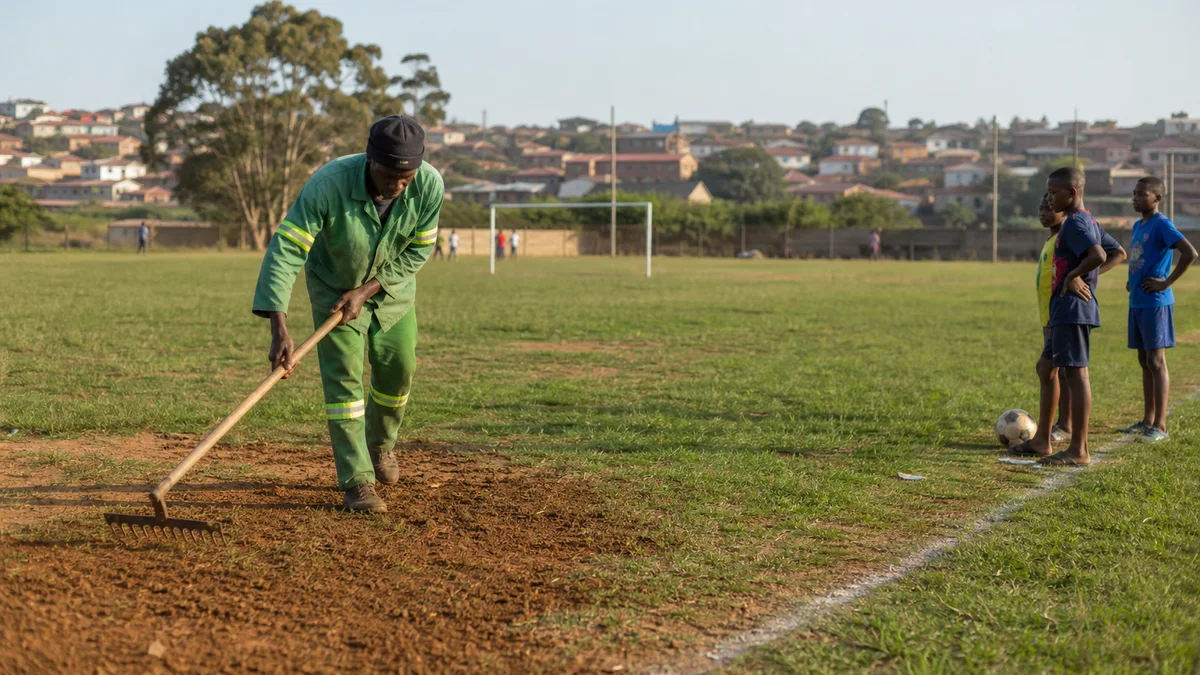
Large audiences can still disappear quickly. If football leaders assume attention stays by itself, the afterglow fades. Youth programs, cheaper local tickets, women and men in community leagues, and regular reporting on what host cities learned are the pieces that can turn viewing numbers into something deeper.
Readers can judge the legacy by looking close to home. Are clubs opening more youth sessions? Are local leagues easier to follow? Are cities explaining what worked and what failed? If those answers are visible, the World Cup audience can become a civic and sporting return. If not, the final remains a thrilling night that left too little behind.