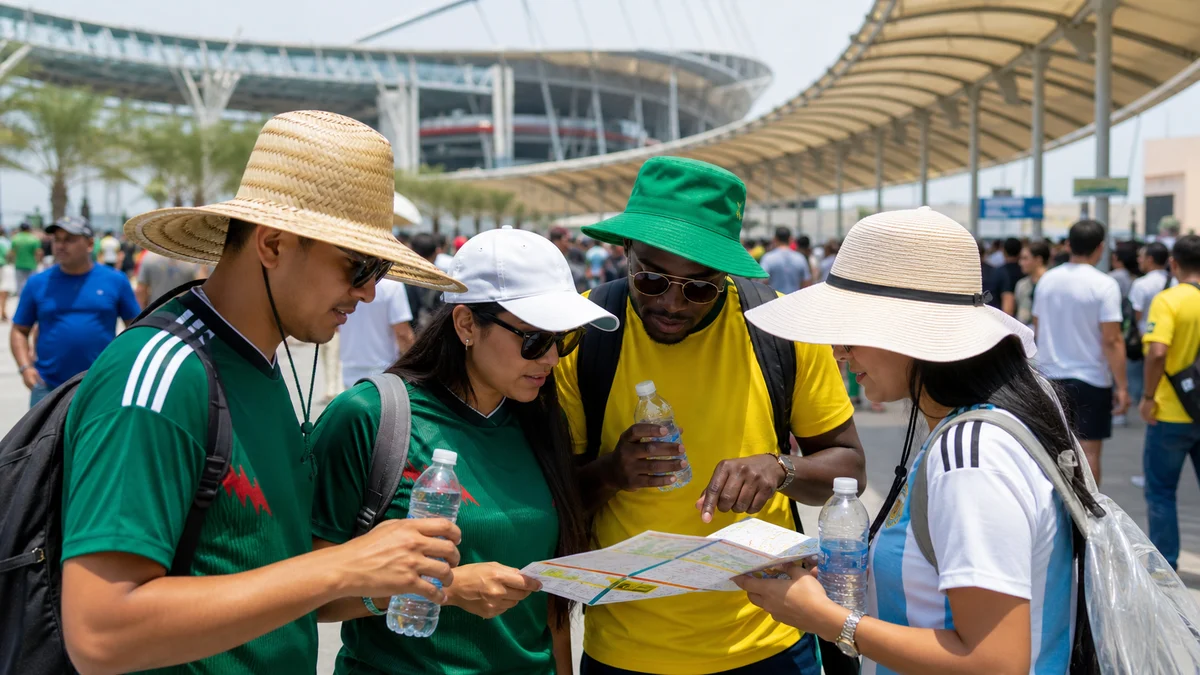
World Cup 2026 fan routine will partly be a health issue, not only a fixture issue. The tournament is played in summer and the host cities sit across different climates and time zones. A supporter going to a stadium, bar, church hall or family watch party needs a plan that respects heat, sleep, food and travel timing.
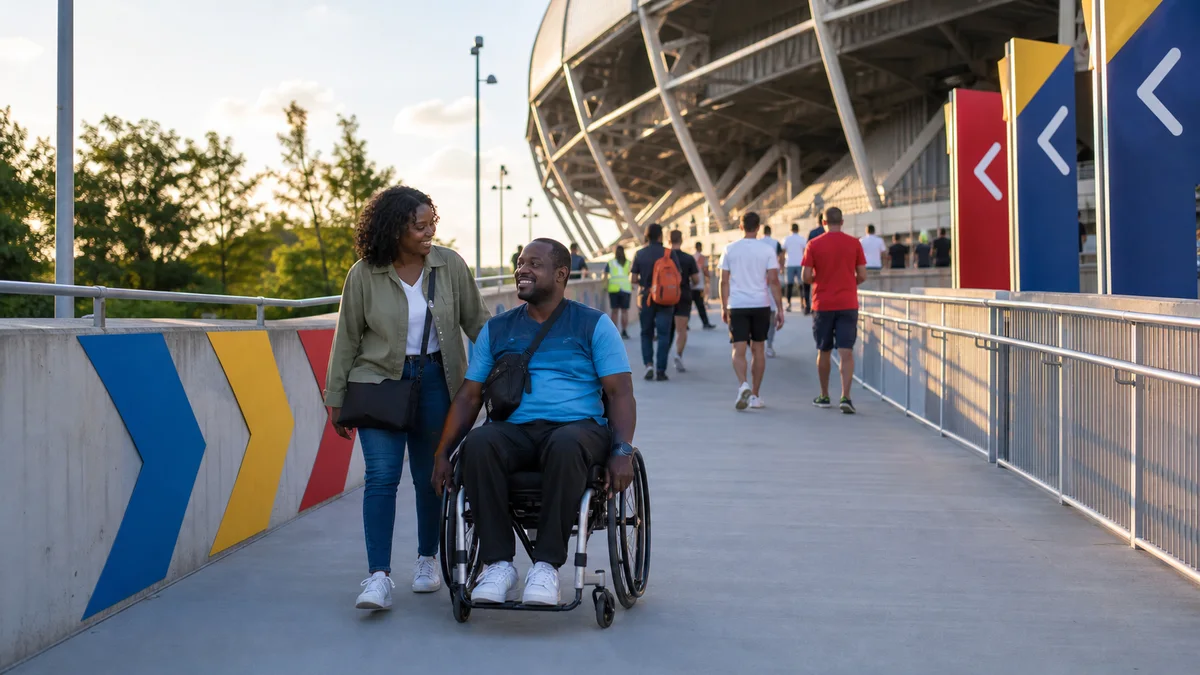
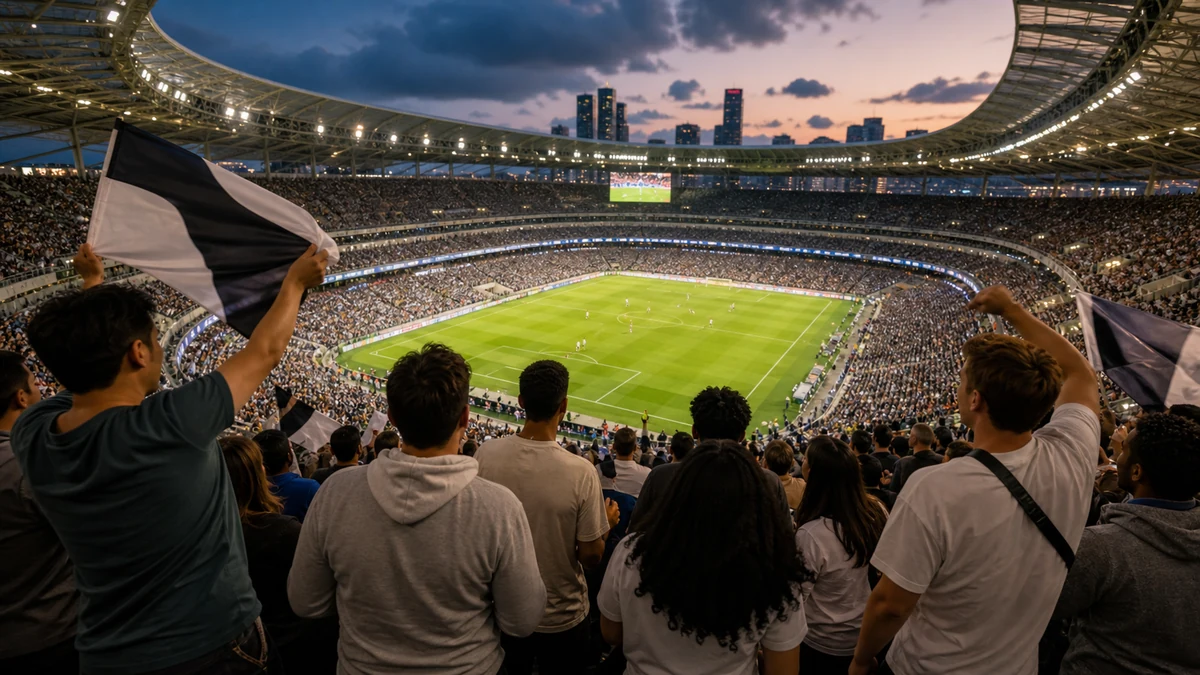
The stadium fan needs a realistic schedule. The route to the venue may be long, security queues can sit in the sun and the post-match exit may take time. Water, shade, light clothing and medical awareness are not small details. A person with a heart condition, high blood pressure, pregnancy, older age or medicine that affects heat response needs extra caution.
The home viewer can also meet fatigue. Matches late at night or early in the morning can damage sleep. Group chats, food, excitement and added-time drama can send a person into work or school the next day without enough rest. Fan culture is fun, but the body still needs sleep to restore energy.
Families can build a kinder watch routine. Pick the priority matches, prepare water, avoid heavy meals late and give children or older relatives a quiet space if they get tired. When a match becomes tense, people often forget that phone brightness, caffeine and noise have all climbed. Small controls help.
Public venues need planning too. Bars and halls that host watch parties can help with ventilation, water points, clear exits and transport reminders. Crowd management is not only a stadium problem. When a fan community gathers, health details make the event safer and let the joy last.
The checklist below is simple, but useful. It reminds readers that World Cup viewing is not only about the screen. Heat, sleep, medicine, transport and family timing all sit around the match. A supporter who watches those details can keep the tournament as a good memory instead of an exhaustion story.