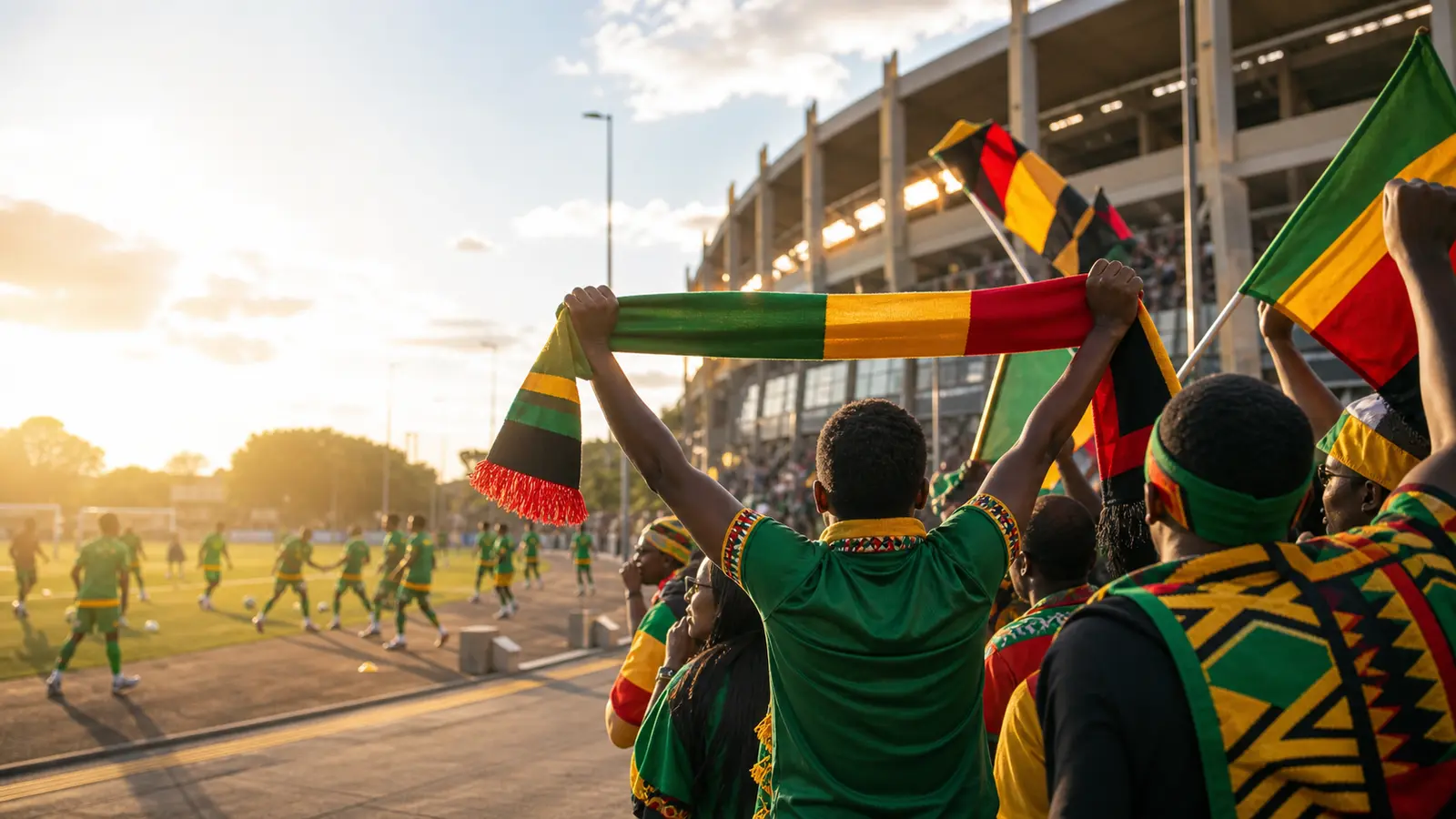
The 2026 World Cup carries a different feeling for African football. For years, supporters across the continent argued that African talent was larger than the number of tournament places available. The expanded format gives more room and more belief. It means more flags, more songs, more families watching their country on the world stage and more young players seeing a path that once looked narrow. The opportunity is real, and it matters emotionally as well as competitively.
But opportunity is not the same as comfort. The World Cup is a difficult environment because every weakness becomes visible. A team can arrive with gifted forwards, powerful midfielders and brave defenders, then still suffer if it cannot manage set pieces, travel fatigue, pressure or the final minutes of a tight match. At this level, details are not decoration. They decide whether a team becomes a story of pride or a story of what might have been.
African football already has qualities that worry opponents. Pace, strength, improvisation, emotional energy and individual courage can break matches open. Many African squads now include players from leagues in England, France, Germany, Italy, Spain, North Africa, West Africa and the Gulf. That mix can be powerful, but only if the coach turns it into a shared structure. A group of talented players is not automatically a team. They need roles, habits and trust.
Preparation will be the first major test. A World Cup across North America means long distances, different climates and changing routines. Teams need to know where they will train, how they will recover, how they will travel and how they will keep players fresh between matches. A federation that treats logistics as an afterthought may leave players carrying stress that should have been solved before kickoff. Professional planning is not glamour; it is respect for the squad.
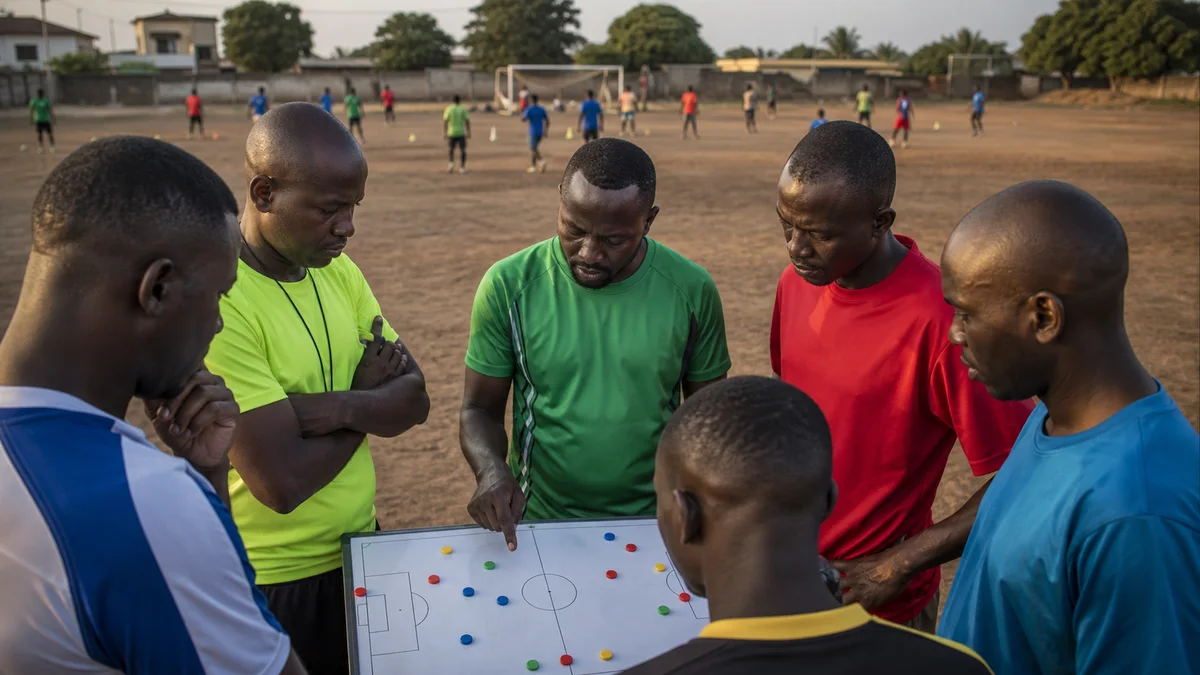
Midfield control may decide how far African teams go. Many sides can run, press and counterattack quickly, but tournament football often asks a team to slow the game down. When the opponent presses, the midfield must keep the ball. When the crowd becomes loud, the midfield must calm the match. When a lead is small, the midfield must protect the rhythm rather than simply clear the ball away. Calm possession can be as valuable as a fast break.
Set pieces will also matter. Corners, free kicks and long throws often become the language of close World Cup matches. A well-drilled routine can turn a difficult evening into a famous win. Poor marking can undo ninety minutes of hard work. This is where coaching, repetition and concentration matter as much as star names. African teams that treat set pieces as a serious weapon can create goals even when open play is difficult.
Goalkeeping is another decisive area. A World Cup goalkeeper does more than stop shots. He starts attacks, controls the defensive line, speaks during set pieces and calms the team when pressure rises. African football has produced excellent goalkeepers, but the position requires trust and continuity. Changing the goalkeeper too late or too often can create uncertainty at the worst possible time. A confident goalkeeper can make the whole team breathe.
The diaspora may become a force. African communities across the United States, Canada and Mexico can help turn neutral stadiums into emotional home grounds. That support can lift players, but it can also create expectation. The best teams will need to use the noise without becoming trapped by it. Passion should become energy, not panic. A team that feels supported but not crushed by pressure can play with freedom.
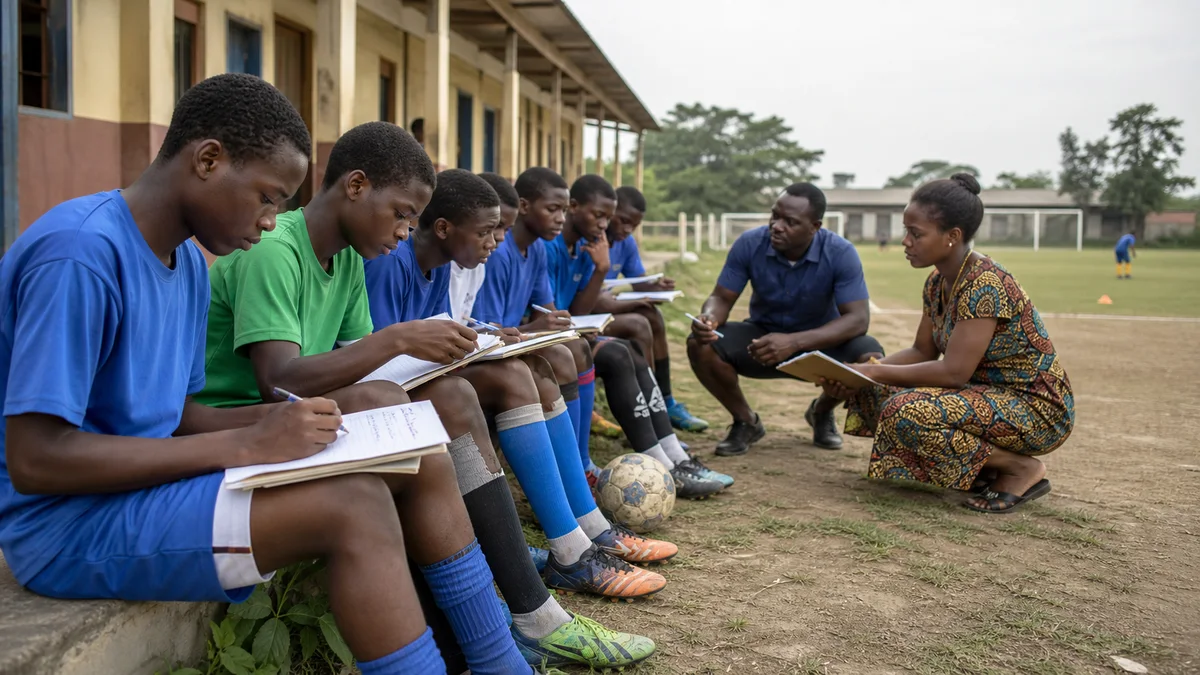
The tournament will also influence youth development. Results matter, but the way African teams play will shape academies, local coaches and parents who decide whether football is worth the sacrifice. If teams play with structure and confidence, the effect can reach beyond one summer. It can strengthen belief in domestic pathways, local leagues and better coaching. A good World Cup can inspire a generation, but a serious performance can also build institutions.
The lesson is simple but demanding: Africa should not arrive only to participate. It should arrive prepared to compete seriously. That does not mean every team must promise a semifinal. It means every federation should give its players a professional platform, every coach should bring a clear plan and every supporter should understand that progress is built through repeated, disciplined work. The bigger World Cup opens the door. Preparation decides who walks through it with purpose.
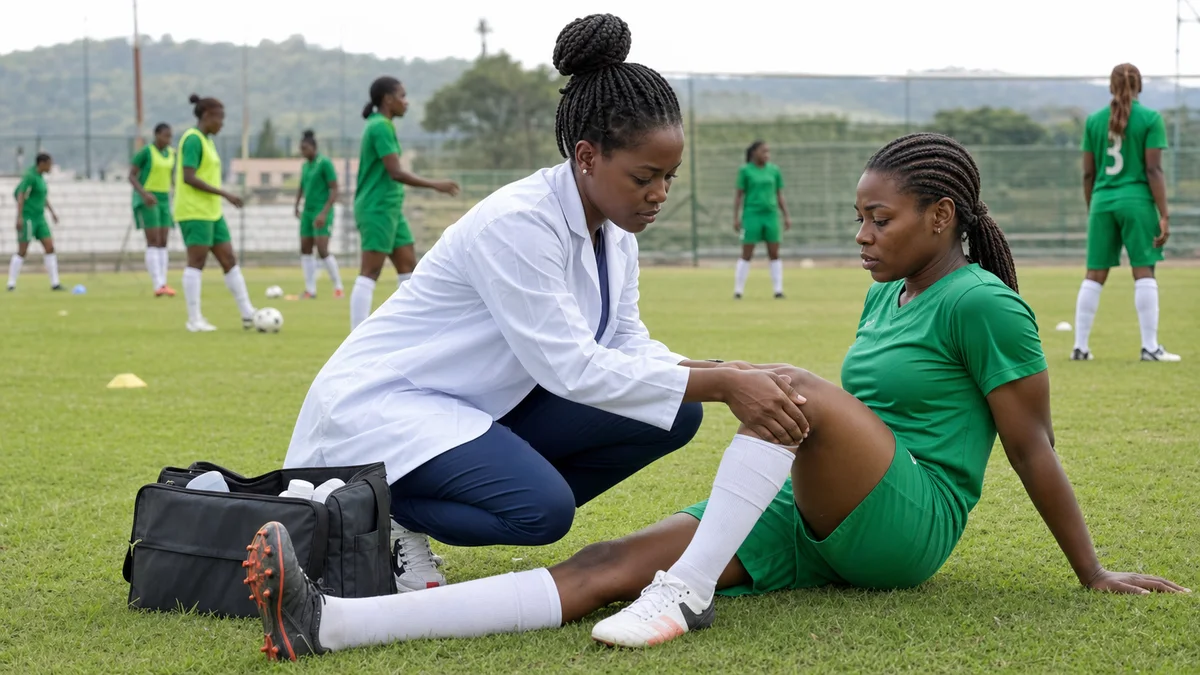
There is one more practical issue: African teams must protect their best players before the tournament even begins. Many stars will arrive after long club seasons, and some will carry small injuries or heavy minutes from Europe, Africa or the Middle East. Warm-up matches should be useful, not reckless. Training should build rhythm without draining energy. If a squad loses two important players before the first group match, the expanded opportunity becomes harder to use. Managing bodies before the opening whistle is part of competing seriously.