
School group chats need simple privacy rules
Photos, phone numbers and children’s routines should not travel farther than families expect.

Technology news on digital safety, automation, online trust, cybersecurity and innovation in clear everyday language.
Technology coverage follows digital safety, online trust, automation, platforms and infrastructure that affect everyday life.
We explain practical risks, useful changes and the policy decisions behind the tools people use.
 Creative freelancers need clear contracts before the first delivery
 Independent musicians need a metadata check before release day
 African film distribution needs a stronger subtitle workflow
 Election-result screenshots need a source-first verification rule
 Local public meetings need accessible records after the room empties
 Public budgets need a plain-language summary residents can use
Photos, phone numbers and children’s routines should not travel farther than families expect.

Payment detail changes should be confirmed through a trusted number before money moves.

Phones, routers and laptops are easier to protect when updates become a shared monthly routine.
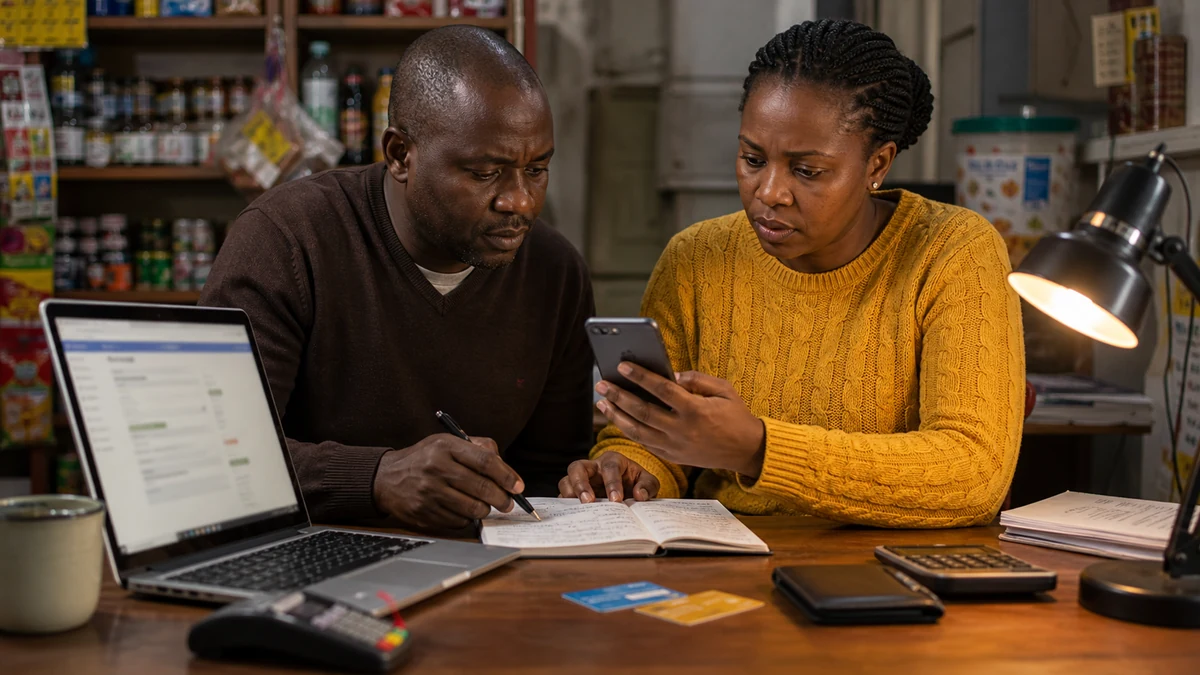
New warnings about organized fraud make one habit essential: pause before sending money, then confirm the request through two trusted routes.

SMS and voice codes are being pushed aside in Entra ID, and the change is a useful prompt for households and small businesses.
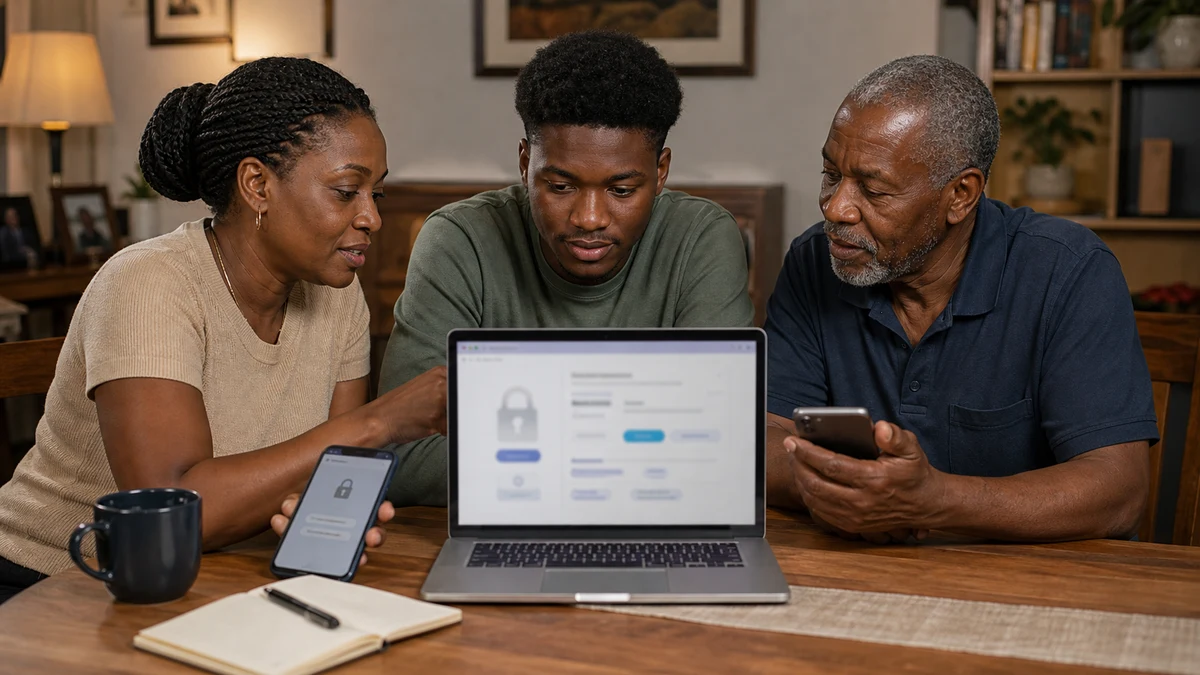
Safer sign-in methods are useful, but households still need a plan for account recovery when something breaks.
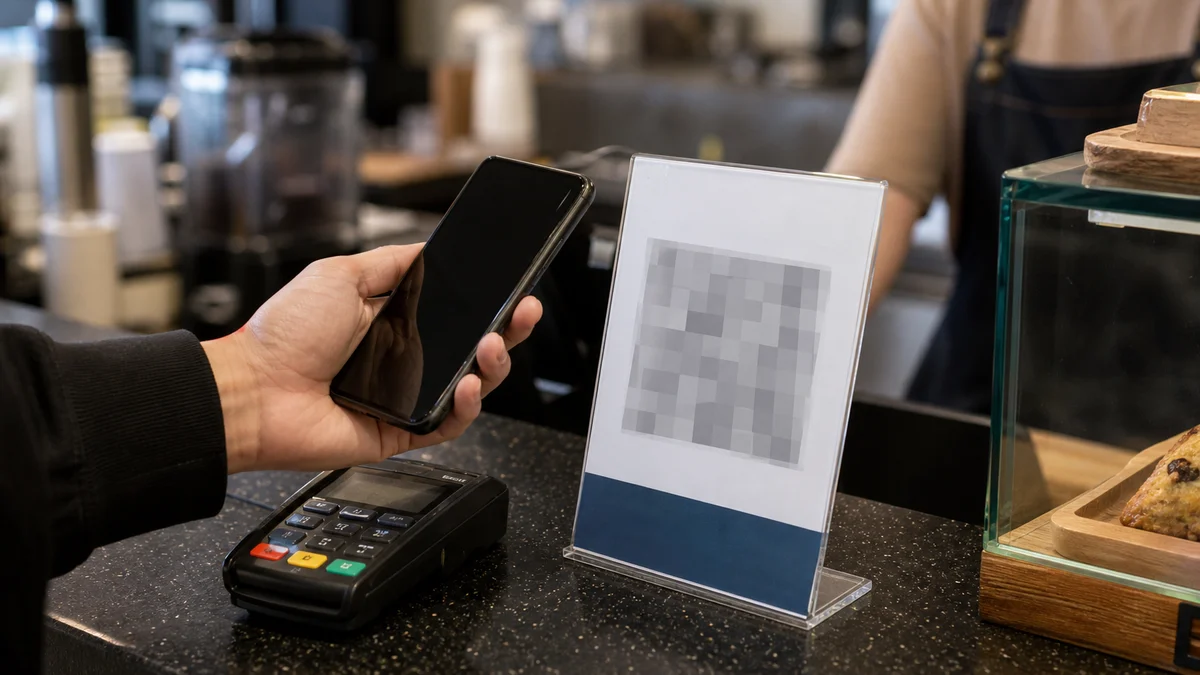
Restaurants, parking signs and event tickets make scanning normal, but fake stickers and links can still steal trust.

Synthetic video and voice clips can mislead readers, so context, source and official response matter before sharing.
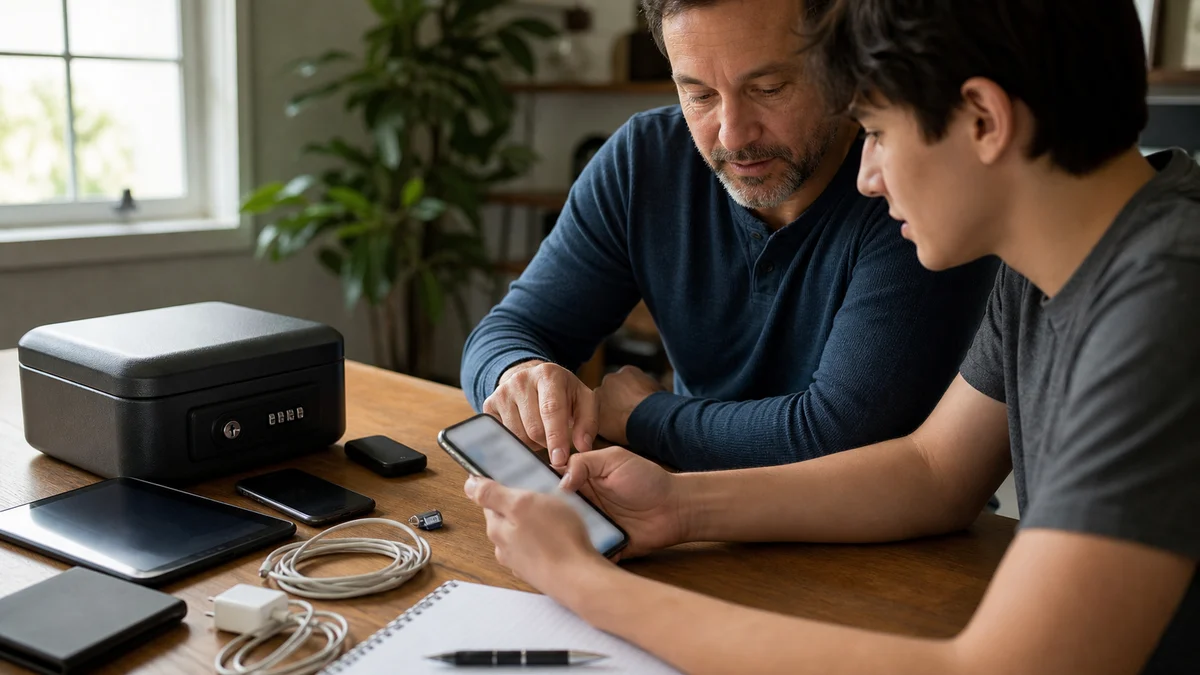
Passwordless login can resist phishing, but users need backups, trusted devices and a clear recovery plan before a phone is lost.

Synthetic video and edited audio can spread quickly; reader protection begins with pause, source checking and context.

Passwordless login can reduce phishing risk, but weak account recovery can still open the back door.

Digital life feels wireless, but outages often expose the physical infrastructure beneath everyday apps.

Manipulated audio and video can travel quickly, so readers need repeatable checks before trusting shocking media.
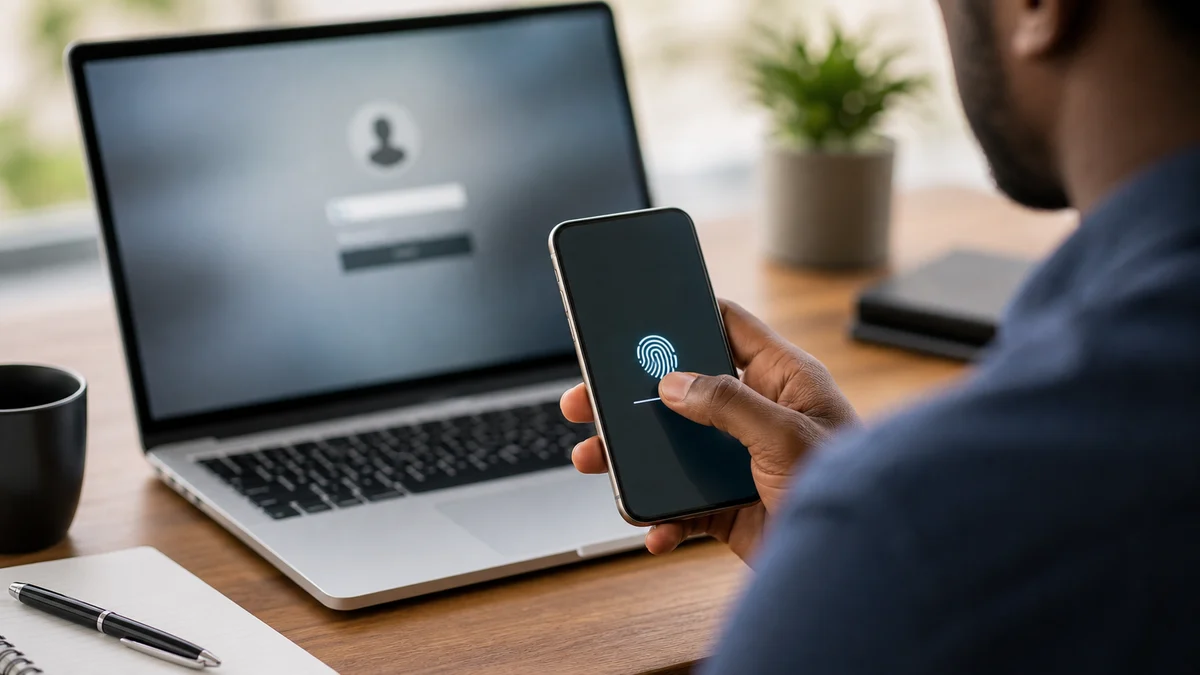
Safer sign-in tools help, yet phishing, recovery settings and device loss remain practical security issues.

The project uses seawater for cooling and wind power for electricity, testing a new path for large digital infrastructure.

The city is using camera analysis to help responders identify people who may be in crisis.
New devices, security concerns and the end of support for older systems are pushing more users to upgrade.
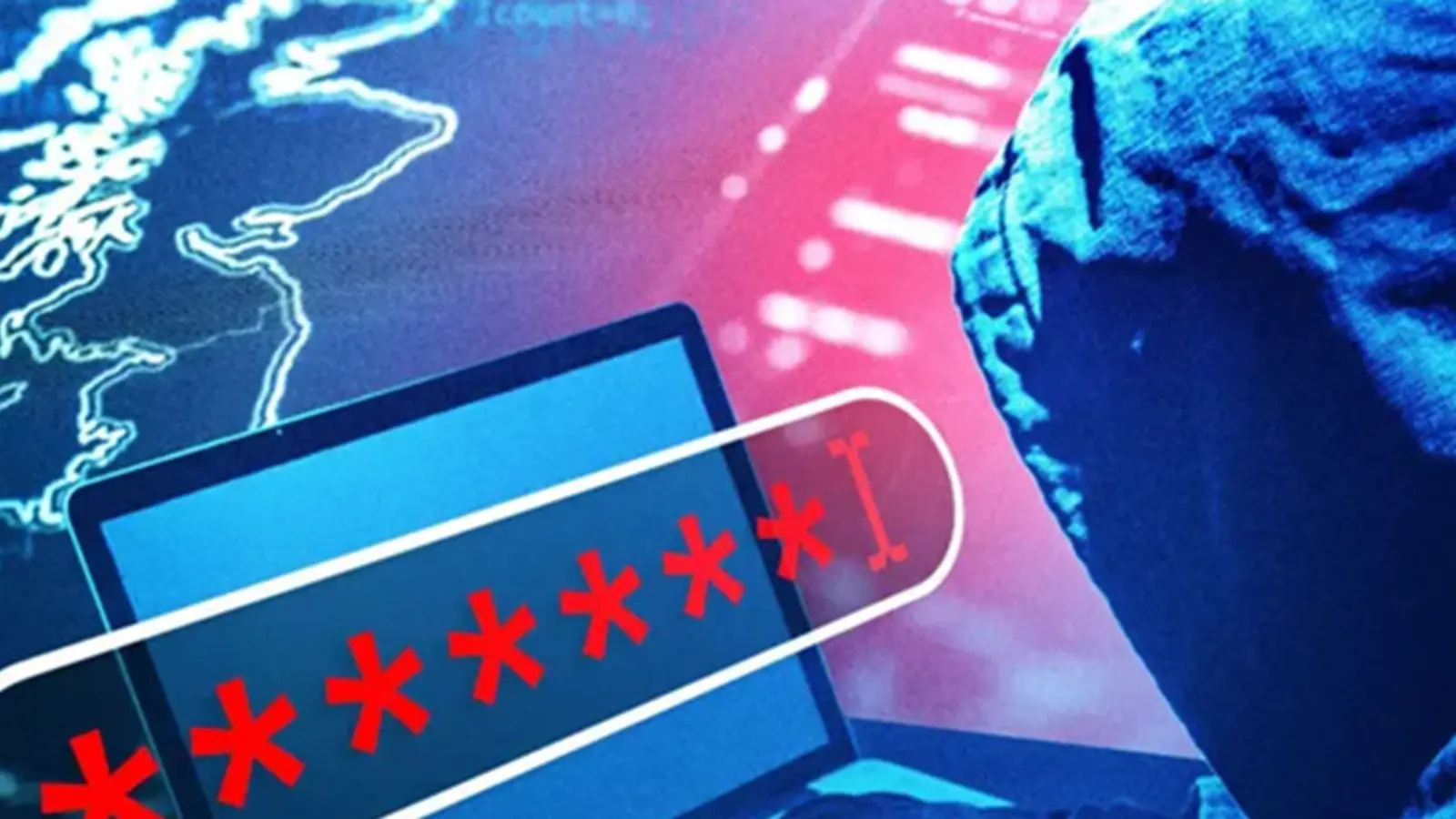
Security experts say attackers are using smarter methods to gain access without simply guessing passwords.