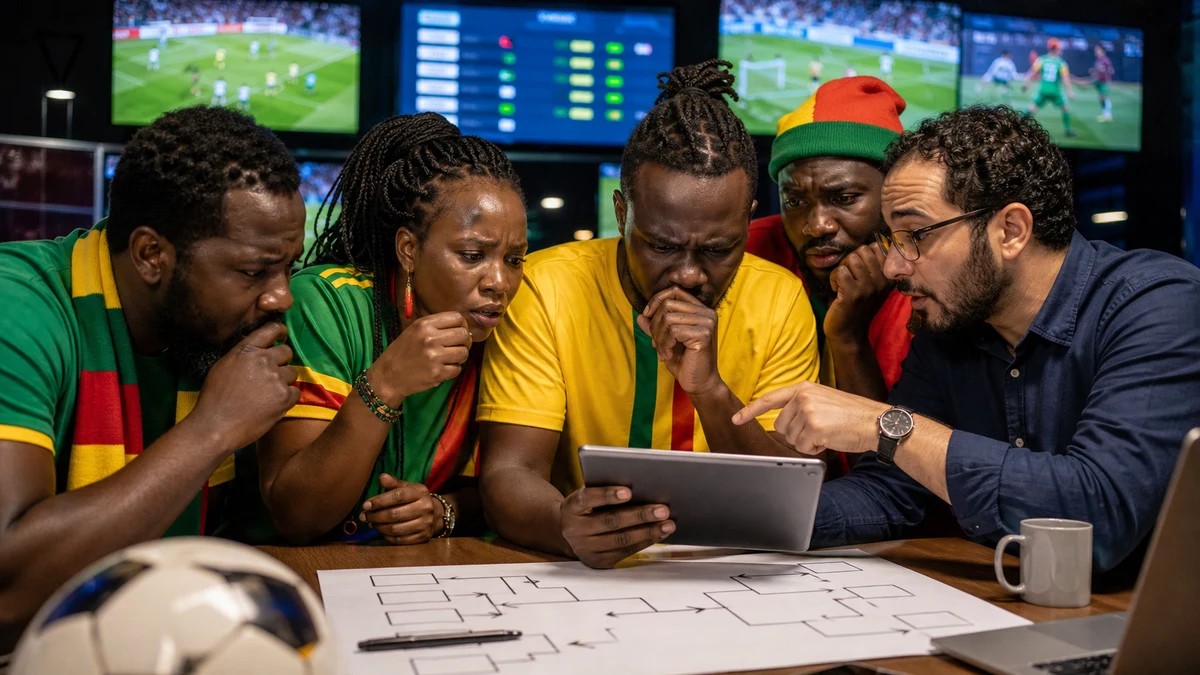
World Cup 2026 gives more countries a route into the knockout rounds, but the expanded format also makes group-table reading more demanding. With more groups and a path for some third-place teams, a single late goal can change the meaning of a result. A draw, a narrow loss or one extra goal conceded may matter beyond one stadium.
That changes what supporters need to watch. Goal difference, goals scored, discipline records and results in other groups can all become part of the story. A country may finish its match and still have to wait. That waiting period can be confusing unless broadcasters and newsrooms explain the table calmly.
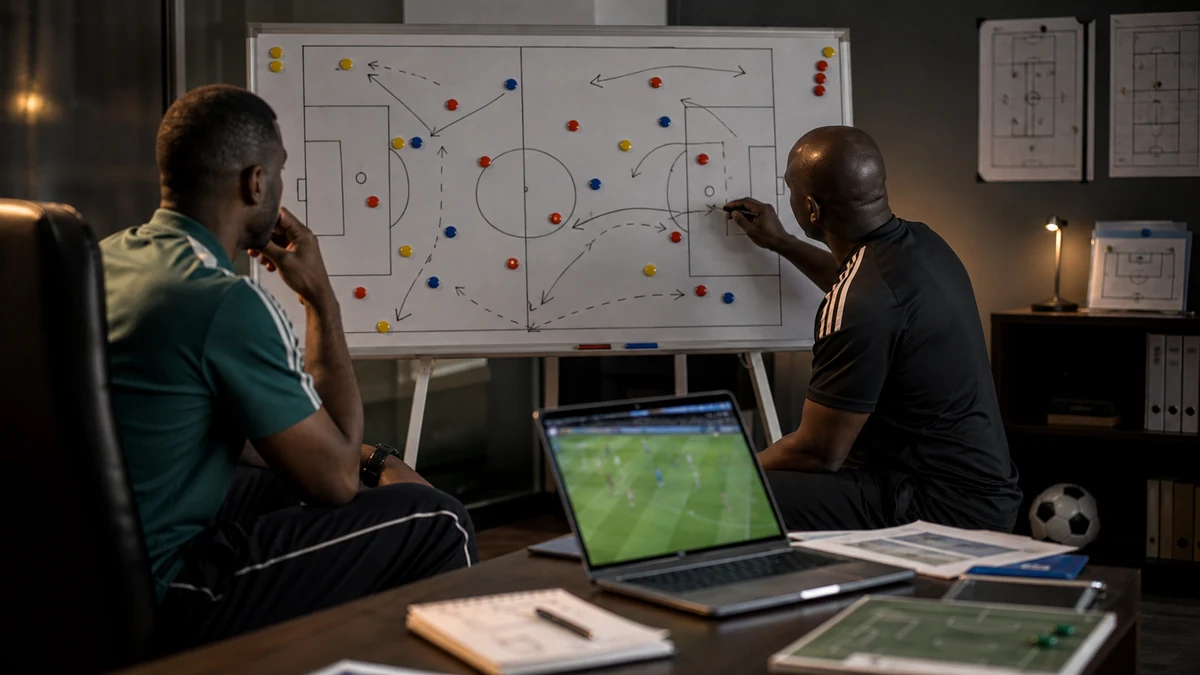
Coaches face a different kind of tactical risk. Protecting a narrow defeat can sound negative, but in some group scenarios losing by one is very different from losing by three. At the same time, playing only to limit damage can drain belief from a squad. The best decisions will balance ambition with table awareness.
African teams can use the format well if the table is part of preparation before the tournament begins. A substitute who keeps possession in added time, a goalkeeper who manages tempo legally or a midfielder who avoids a reckless foul may protect more than pride. Small acts can preserve a qualification route.
Supporters in Accra, Kumasi, Lagos, Nairobi, Johannesburg and the diaspora should expect a more complicated viewing routine. The final group matches will not only be about the match on one screen. A result in another city may change everything, so reliable live tables will become essential.
The lesson is that concentration matters as much as talent in a larger tournament. World Cup 2026 will still reward attacking quality, but it will also reward teams that understand when to chase, when to hold and when to avoid turning a small problem into a heavy defeat.