The 2026 World Cup is not simply a familiar tournament with extra countries added to the list. It is a new competitive structure. Forty-eight teams, twelve groups and 104 matches across the United States, Mexico and Canada create a longer road that will test entire football systems. More nations now get access to the biggest stage, but the bigger stage also asks more from players, coaches, analysts, medical teams and supporters. The champion may need to survive eight matches, not seven, and that changes how every serious contender must prepare.
The group stage keeps one familiar part of World Cup rhythm: each team still plays three matches. The difference is what comes after those matches. The top two teams from each group move forward, and the best third-placed sides also enter the knockout rounds. That makes every detail important. A late goal, a narrow defeat, a yellow card or a missed chance can shape the table. Teams cannot only think about winning; they must also think about goal difference, game control and how to avoid the kind of heavy loss that destroys a campaign.
The new round of 32 is the clearest tactical change. In the older format, the group stage led straight to the round of 16. In 2026, there is one more elimination step before the last sixteen. That extra match can become dangerous for favorites and exciting for underdogs. A team that looked comfortable in its group can suddenly face a disciplined opponent with nothing to lose. A smaller team that understands its strengths can turn one sharp evening into a place in the next round. The tournament becomes less predictable because more styles collide before the later stages.
Squad depth will matter more than ever. A coach cannot expect the same eleven players to carry every match at full speed. Travel, heat, short rest and pressure will affect bodies and minds. Substitutes must be ready to start, starters must accept rotation and medical staff must protect the group from fatigue. A strong bench is not only a luxury in this format. It is a survival tool. Countries with twenty reliable players may be better placed than countries with thirteen stars and a weak supporting cast.
Planning away from the pitch may decide matches on the pitch. Sleep, food, hydration, training load, recovery sessions and travel timing will all influence performance. The tournament is spread across three large countries, so a team can feel fresh one week and drained the next if the schedule is handled poorly. Smart federations will treat logistics like football strategy. They will know when to train hard, when to rest, when to travel and how to keep players calm when the schedule becomes noisy.
The format also changes how underdogs can approach the tournament. A smaller team does not always need wild attacking football to survive. A smart draw, a narrow win and a controlled defeat may be enough if the numbers fall correctly. But being too cautious is also risky. A passive team can lose confidence, invite pressure and depend on results elsewhere. The best underdogs will combine discipline with ambition. They will defend with structure, attack with speed and understand when the match demands courage rather than calculation.
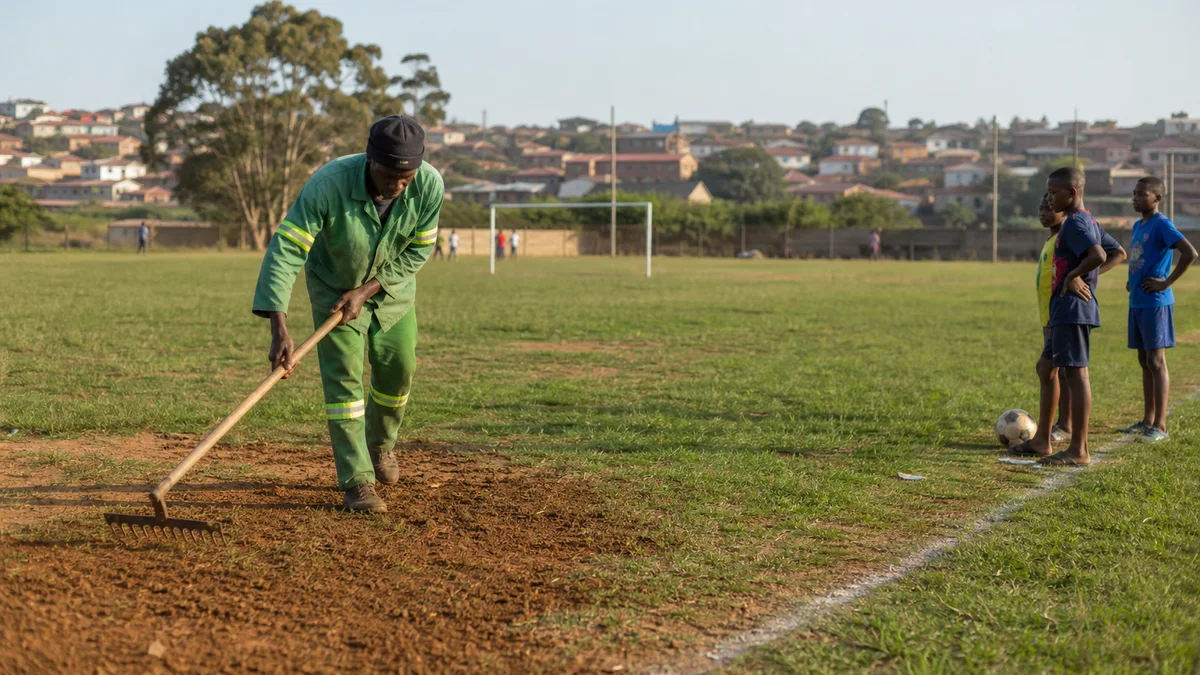
For African teams, the expanded field brings a wider door and a sharper challenge. More places mean more nations can dream about reaching the tournament, and more supporters can see their flag on the world stage. But the World Cup itself will not become easy. African sides will still need defensive concentration, midfield calm, set-piece discipline and emotional control. The countries that match natural talent with detailed preparation can use the format well. Those that rely only on passion may find the longer road unforgiving.
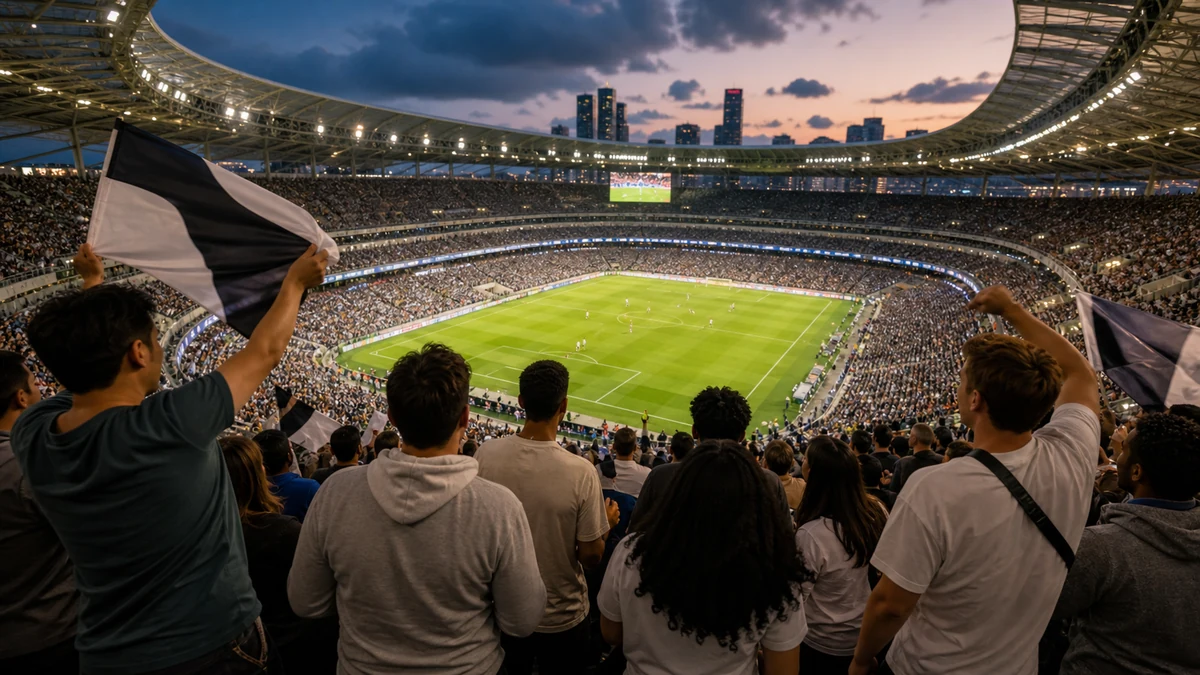
Supporters will experience the event differently too. With 104 matches across many cities, the story of the tournament will move quickly. Fans may follow several matches in one day, and attention will be divided between favorites, surprises and local atmospheres. Teams with a clear identity will be easier to remember. A country that plays with recognizable rhythm and purpose can become part of the global conversation even before it reaches the final stages. In a larger tournament, clarity becomes part of popularity.
There is also a mental cost to the longer format. Players must live with pressure for more days, more flights and more media cycles. One bad performance can follow a team through interviews, fan debates and tactical changes. Captains and experienced players will be important because they help the dressing room reset. Coaches will need to protect confidence without ignoring problems. The tournament will reward teams that can move on from mistakes quickly and keep their focus narrow: the next session, the next meal, the next match.
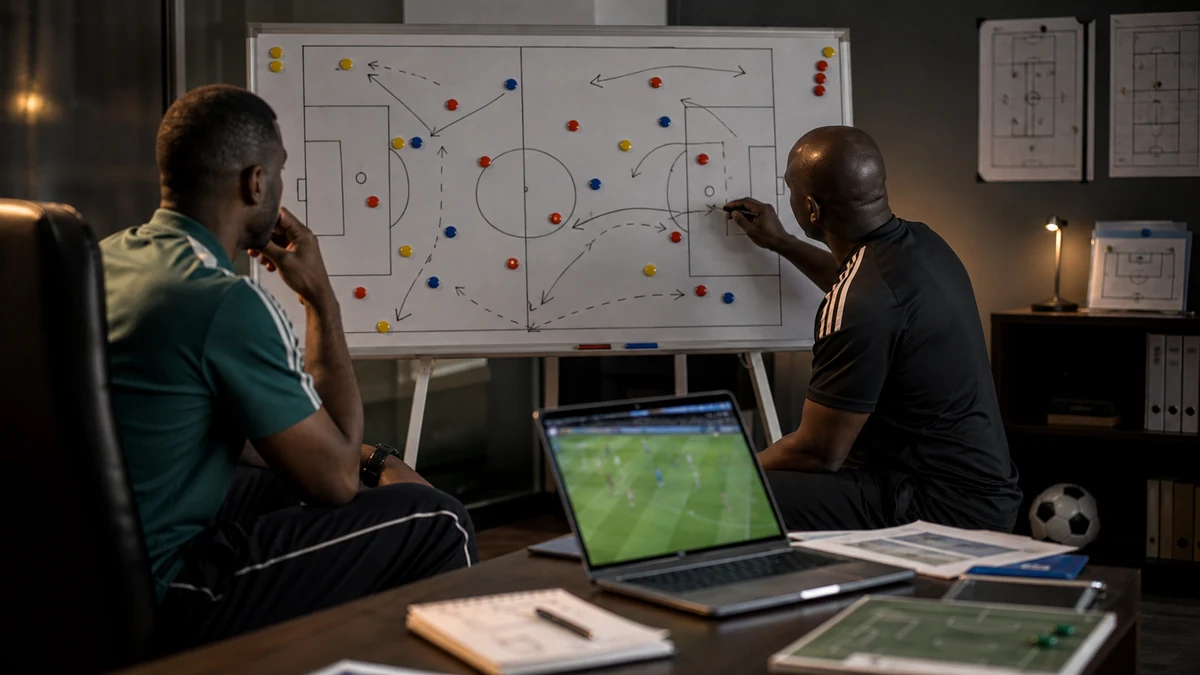
The lesson of the new World Cup is that talent remains essential, but talent alone is not enough. The winner will need good players, but also a flexible coach, a strong bench, detailed scouting, reliable recovery and calm leadership. The format gives more countries hope, but it also punishes weak preparation. In 2026, the road to the trophy is wider at the entrance and harder near the end. The teams that understand both truths will have the best chance to turn opportunity into history.