World Cup 2026 is spread across the United States, Mexico and Canada, so supporters need to treat travel planning as part of the tournament, not as a small task after tickets are bought. The football may last ninety minutes, but the journey can involve months of decisions about documents, transport, accommodation, budgets and family schedules.
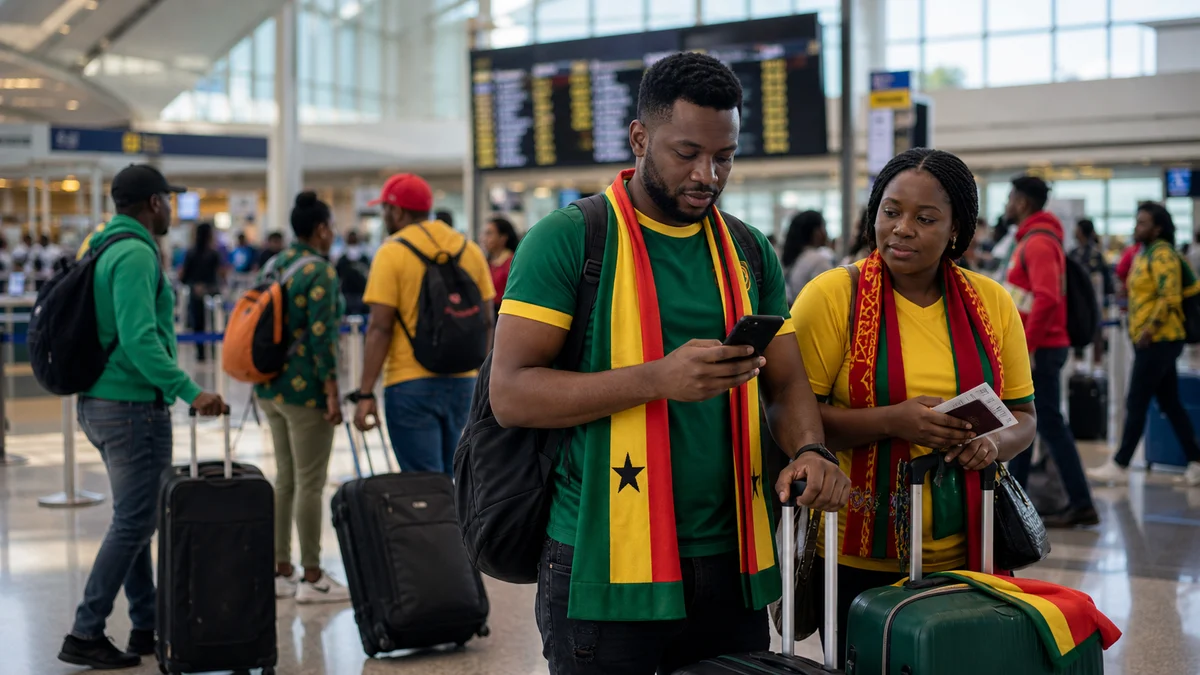
African supporters and diaspora communities have a special place in this story. Many fans already live in North America and may turn some matches into near-home events. Others may travel from Ghana, Nigeria, Senegal, Morocco, Cameroon, South Africa or other countries. Those two groups face different costs, but both need clear information before matchday pressure begins.
The first practical issue is distance. Two host cities can both be on the same tournament map and still require a long flight. A fan who wants to follow one national team should not assume every match will be close. The group draw, ticket access and hotel prices can decide whether a dream trip remains realistic.
The second issue is timing. Matches across time zones affect flights, work leave, child care and watch parties at home. A family in Accra or Kumasi may watch late at night, while a supporter in Toronto or Atlanta may need to move between stadium transport and local traffic. Good planning protects the joy of the match from becoming exhaustion.
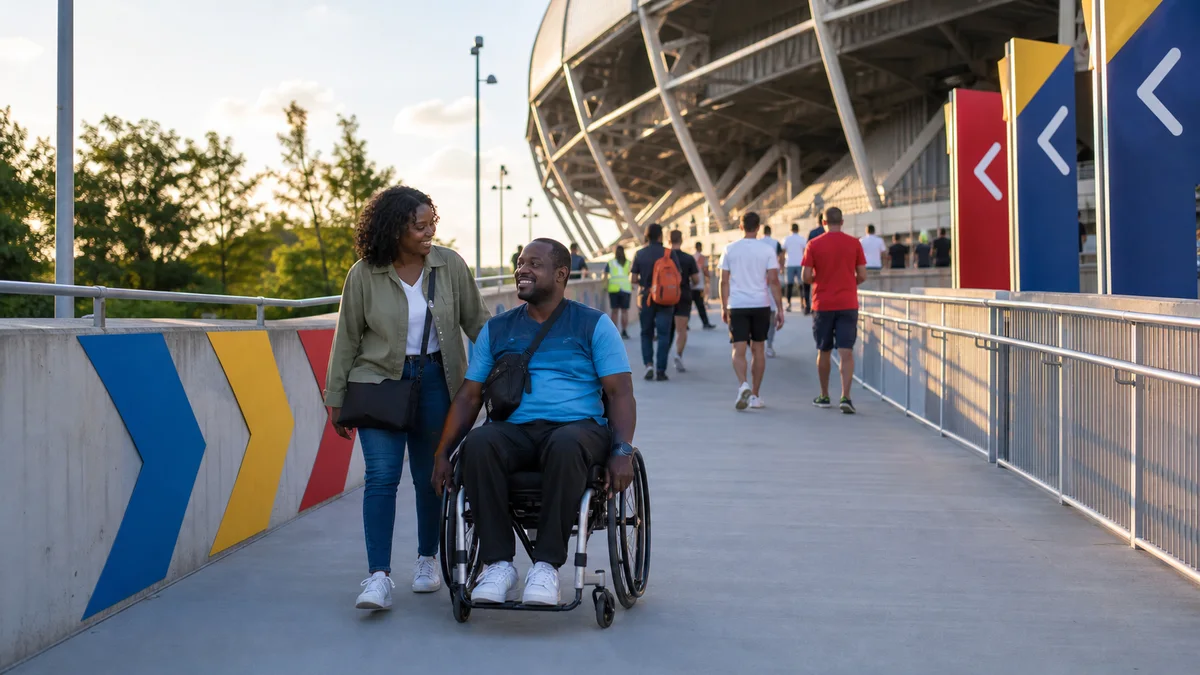
Organizers can help by making travel guidance simple. Supporters need to know when to arrive, which transport routes are reliable, what stadium rules allow, where families can meet and how ticket checks work. Fans who travel with older relatives or children need information that is easy to understand, not only promotional slogans.
For readers, the safe rule is to plan early and verify every step through official channels. A World Cup ticket is only one part of the cost. Documents, routes, hotel location, food, phone access and emergency contacts matter too. The best supporter experience begins before kickoff, when the fan has fewer surprises left to solve.