The World Cup 2026 knockout stage will test squad management as much as match strategy. With 48 teams and a round of 32, more countries will reach the pressure part of the tournament, but the wider field also creates a tighter rhythm of travel, recovery and selection decisions. The strongest team may not simply be the one with the best starting eleven. It may be the one that keeps enough players ready for the next demand.
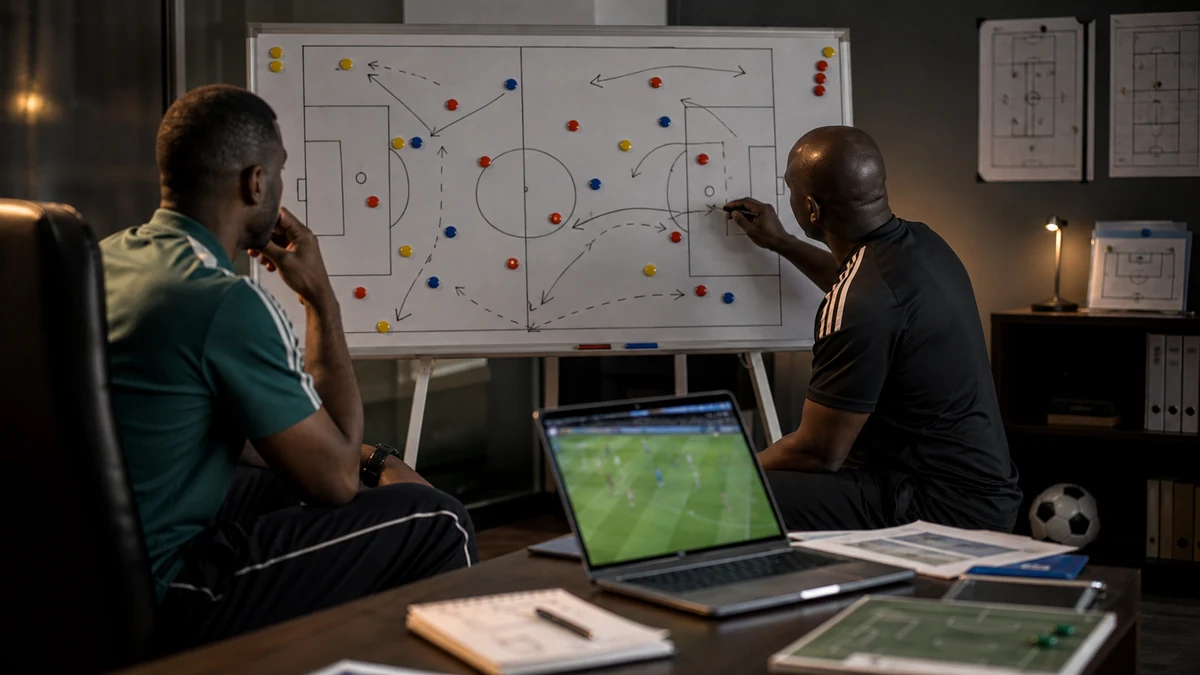
Coaches will need to read the fixture calendar like a tactical board. When one match ends and the next city is far away, a training session can become a recovery session. A star player may want every minute, but tournament football asks whether the body can repeat the same intensity after travel, heat, media duties and short rest. The unpopular substitution can be the one that protects the next performance.
Substitutes will carry more meaning. A round of 32 gives more squads a knockout match, and some teams will arrive with limited experience of that level. A coach who gives bench players real rhythm during the group stage may gain options later. If the bench has been treated only as emergency cover, the knockout stage can feel too sudden for players asked to change a match.
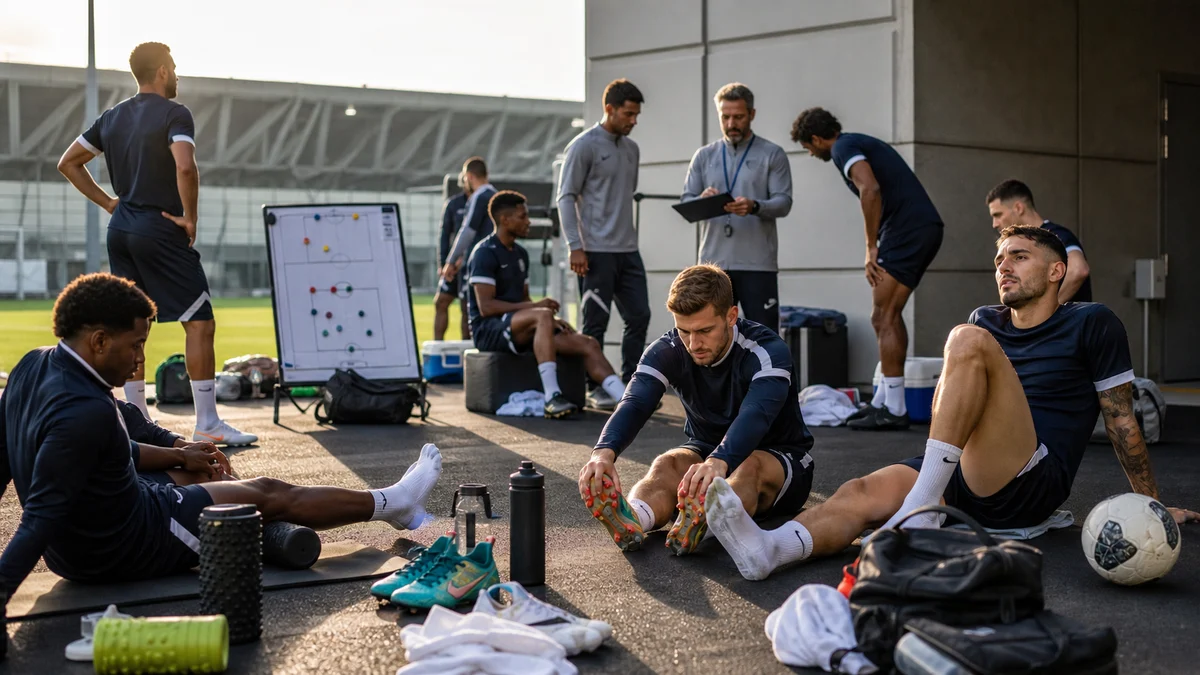
Supporters often focus on goals, but recovery details help create the goals. Sleep, hydration, travel timing, light training and medical checks all sit inside the tactical plan. A team that wants to press high needs fresh legs. A team that wants to counterattack needs wide players whose speed has not been drained by the schedule.
African and diaspora fans can watch matches through that lens. A changed lineup does not always mean a coach is weakening the team. It may mean the staff are thinking about the next opponent, weather, pitch condition or a player carrying yellow-card risk. The tournament is a marathon broken into short, emotional sprints.
The practical lesson is that World Cup 2026 will reward teams that build squad trust early. Big names will still matter, but calm rotation, honest medical advice and a confident bench can decide a knockout path. Fans who understand the recovery logic will read selection surprises more clearly than those who only compare names.
Supporters should also read post-match interviews and injury updates with patience. A player who says he feels fine may still need rest, and a coach who calls a decision technical may be speaking politely about recovery. Reading those signals can make fan debate wiser.