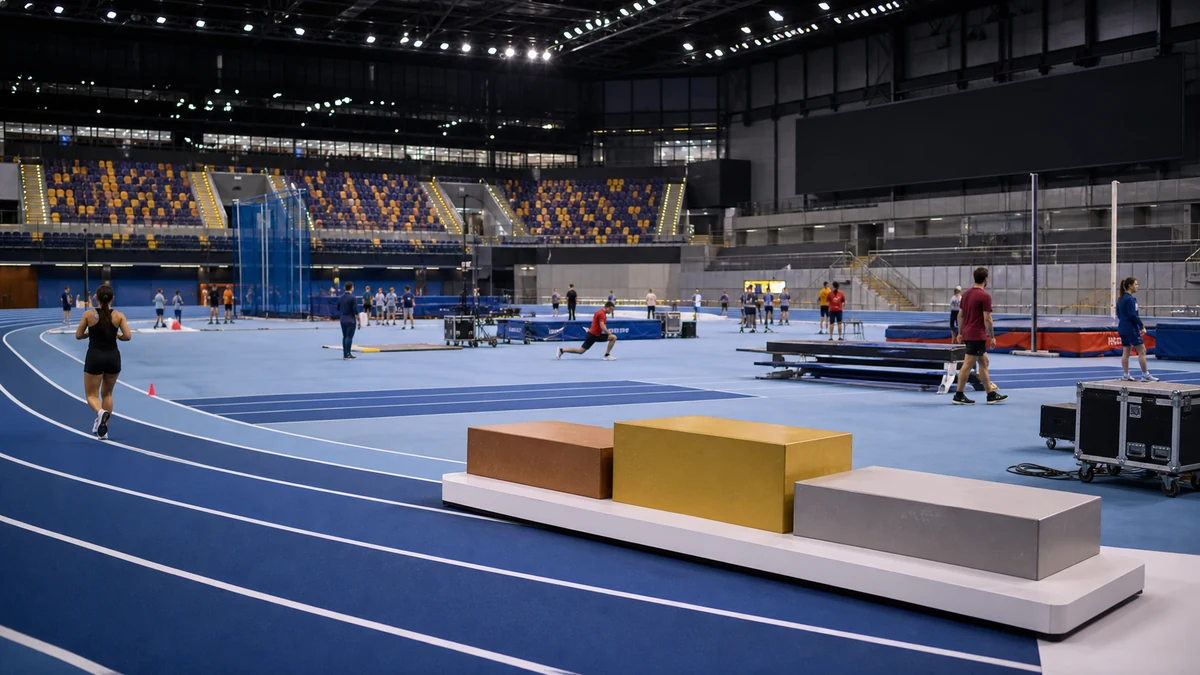
Glasgow 2026 is a compact Commonwealth Games, but compact does not mean simple. Official guidance points to ten sports, a smaller venue footprint and hundreds of medal events packed into 11 days. For smaller nations, the question is not only who can travel. It is where a realistic medal path exists.
The live medal table shows how quickly early results can change a nation’s mood. But a good medal map does not come from the table alone. It comes from event depth, athlete health, travel between venues, qualification rounds and whether a federation sends resources toward events where its athletes can genuinely contend.
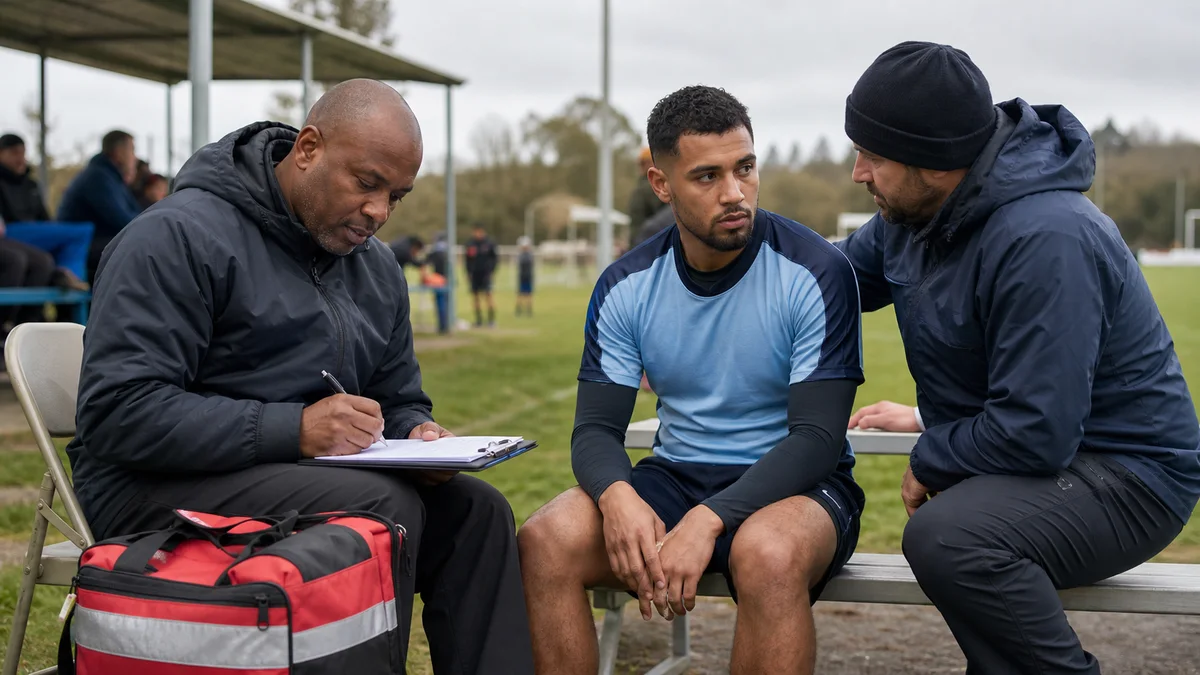
The compact model can help. Shorter travel can mean better sleep, physiotherapy and warm-up routines. It can also make it easier for supporters to attend more than one event. The risk is schedule pressure. When many competitions share a tight footprint, one mistake in timing can cost an athlete recovery time.
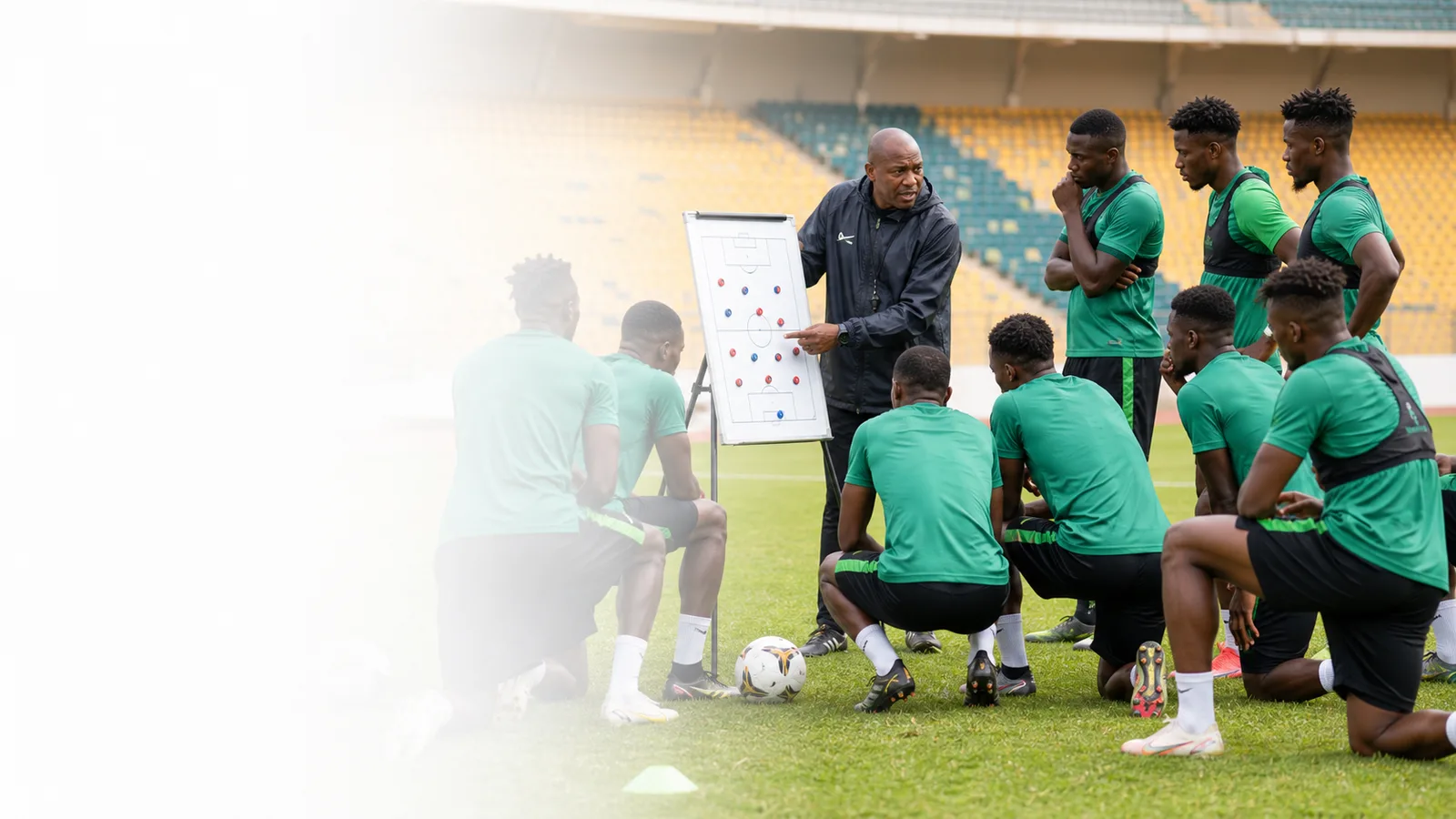
African, Caribbean and Pacific teams can use Glasgow as a data discipline lesson. Money should not only follow the sport with the loudest fan base. It should follow the sport where coaching, athlete pipeline and medal route meet. Table tennis, swimming, athletics, cycling and para events all need that level of clarity.
Media coverage matters as well. If broadcasters only appear for finals, athletes who show progress in heats or semifinals can vanish from public view. Compact events need accurate live updates, local-language summaries and stories that explain performance even when there is no medal yet.
Glasgow shows that sports administration is map work. Who competes next, who needs recovery, who has a realistic medal route and whose story can build public support? When those answers are visible, smaller teams can make a compact Games feel larger. That detail can matter as much as backing a medal favorite.