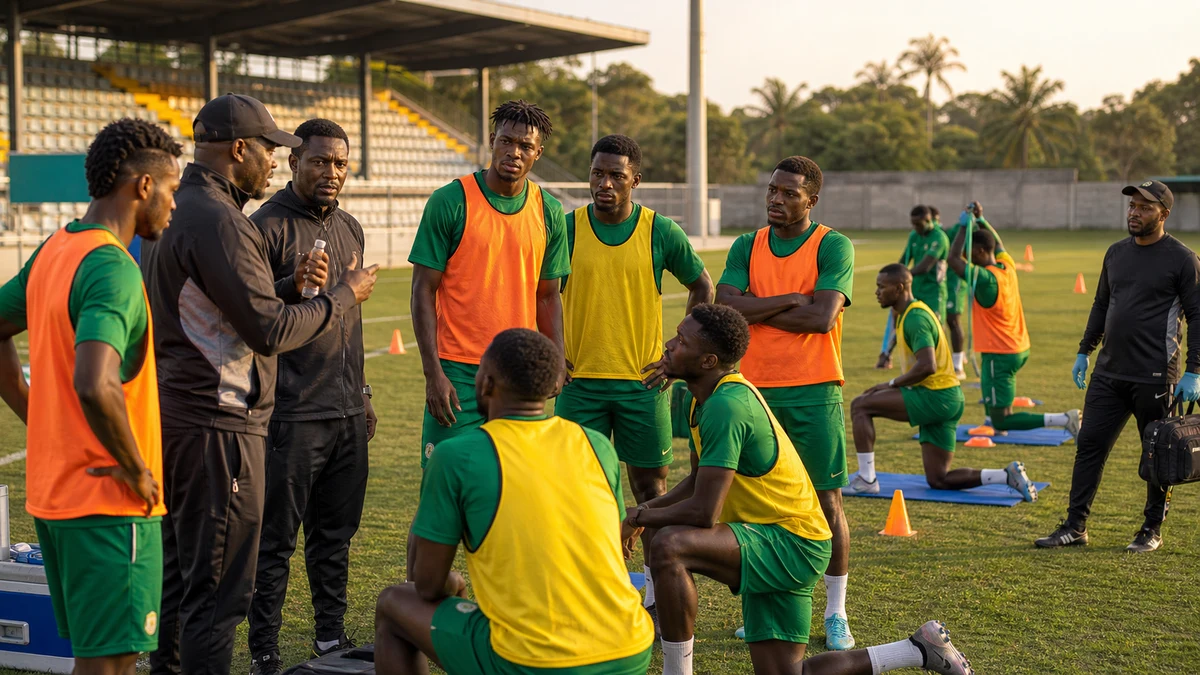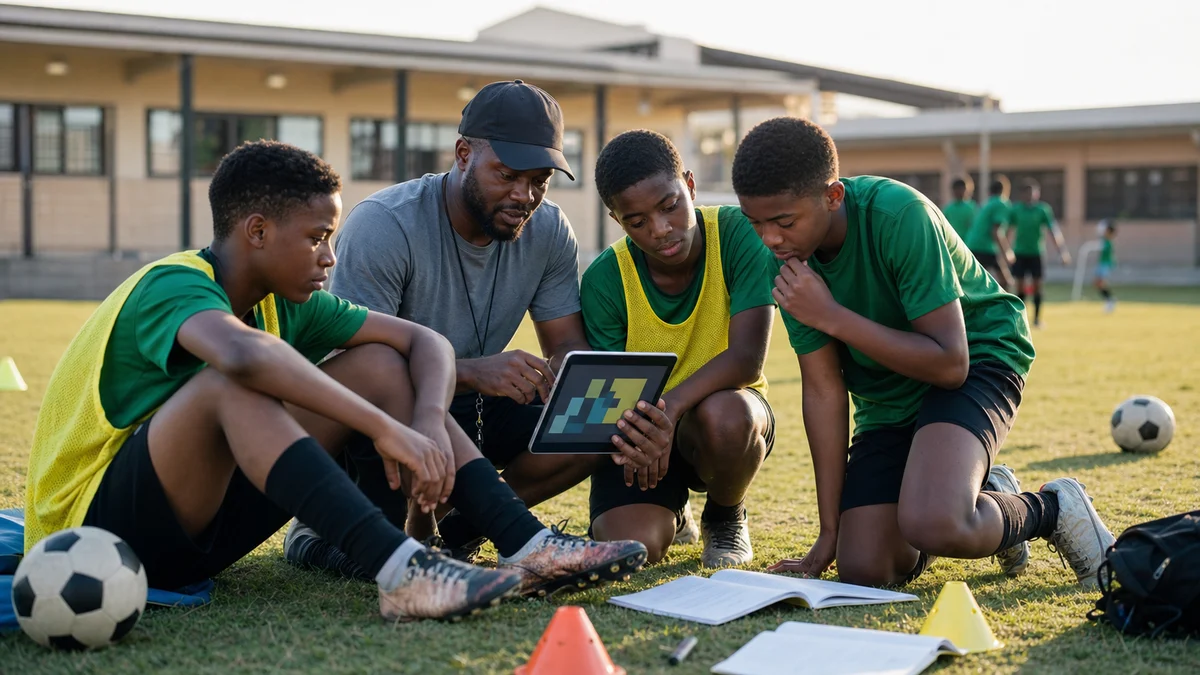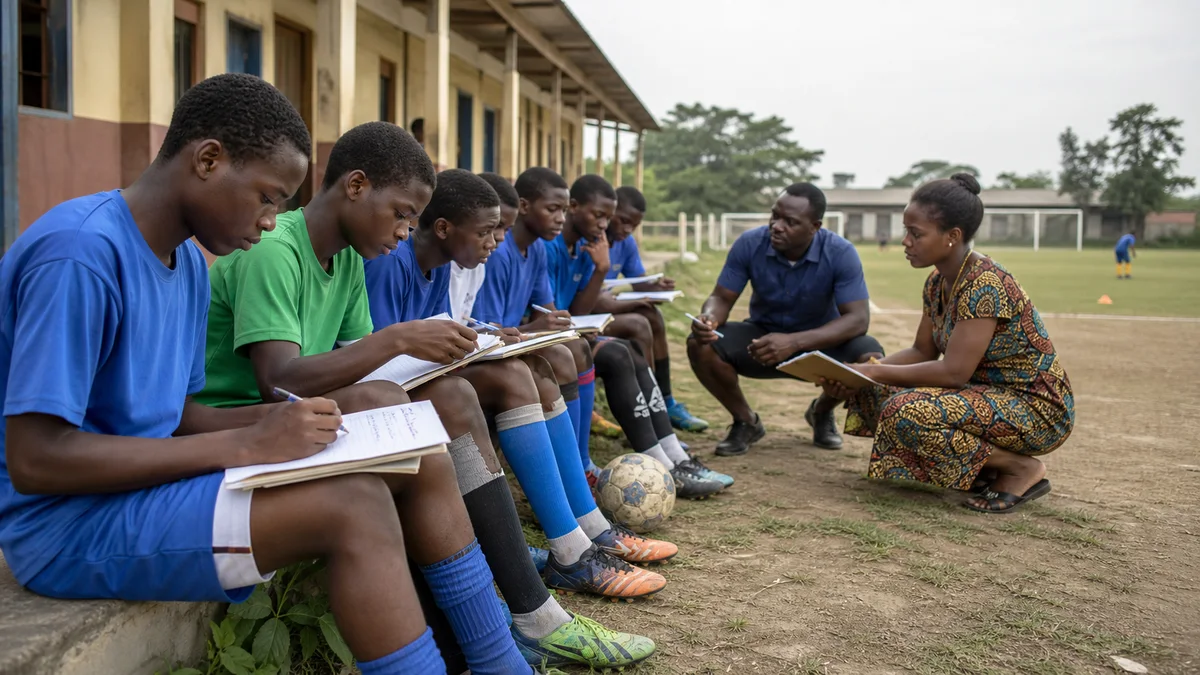
Youth football pathways must protect school time as well as talent. A promising player needs coaching, education and safeguarding that can survive one missed selection. African football development is increasingly measured by what happens between major finals. CAF says its schools program, research work and youth competitions connect talent identification with education, coaching and safer pathways. That makes the local system, not one highlight clip, the real test of progress. This angle matters because school attendance, flexible training and long-term development can turn a broad promise into evidence that readers, families and local organisations can actually inspect.
The first step is to define responsibility. A useful plan says who keeps the record, who checks it, how often it is updated and where people can ask questions. Without those details, school attendance, flexible training and long-term development can sound impressive while nobody knows whether the work happened. Clear ownership also makes corrections possible when circumstances change.
Access matters just as much as the policy itself. Information should work on an ordinary phone, use direct language and remain available after the announcement disappears from social media. People affected by the decision should be able to compare the promise with the result. That is especially important for readers who rely on shared devices, limited data or community intermediaries.
The strongest approach starts small enough to repeat. A club, household, business or public office can test one routine, record what failed and improve it before expanding. That creates a trail of practical evidence instead of a one-day campaign. It also helps leaders separate a real resource gap from a process that simply needs clearer instructions.
There are risks to avoid. A checklist can become paperwork with no action, private details can be collected without a good reason, and one successful example can be presented as proof that every location is ready. Good reporting asks who is missing, what the limits are and whether an independent person can confirm the result.
For readers, the practical move is to ask academies how education continues during travel and injury. Save the answer, return to it at an agreed time and note what changed. The goal is not perfect administration. It is a dependable habit that makes school attendance, flexible training and long-term development visible enough to improve. When evidence, responsibility and follow-up stay together, a promising idea has a better chance of becoming useful in daily life.