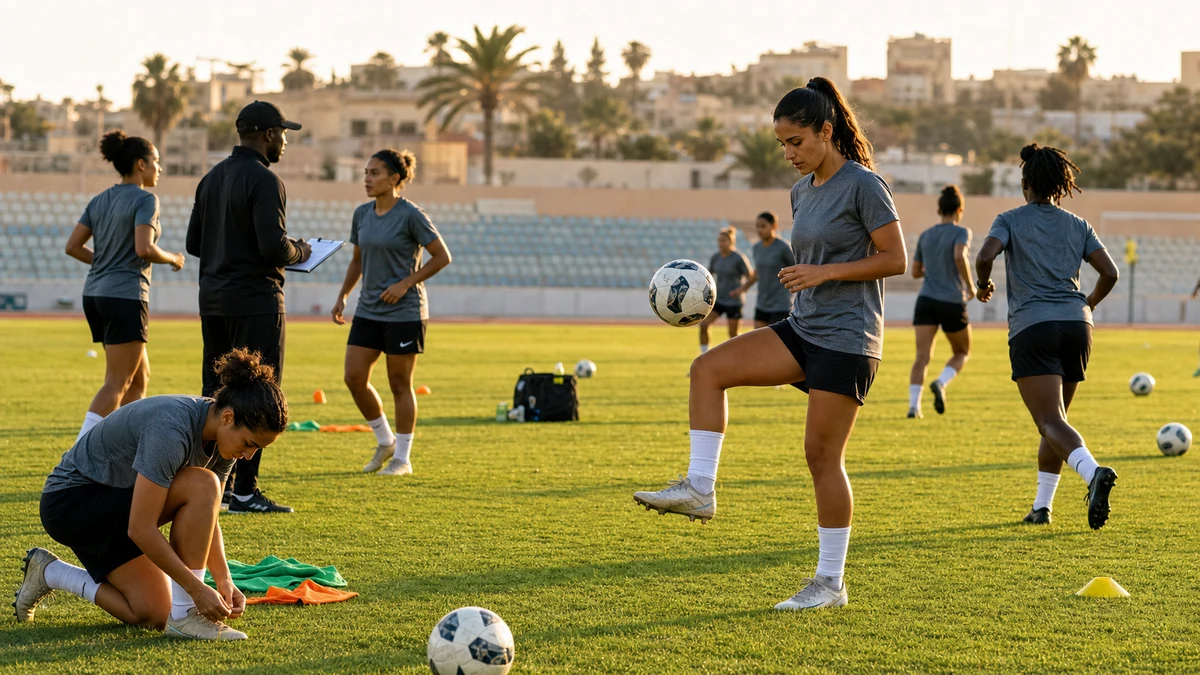
CAF competition windows often reveal the difference between teams with famous starters and teams with a full plan. One match can produce the headline, but travel, recovery, training load, injury prevention and bench trust decide whether a club can last through a demanding season.
Many African clubs deal with long routes, changing weather, different pitch conditions and financial pressure. Squad depth is therefore not only a list of names. It is the ability to change shape, protect tired players, trust substitutes and keep the team identity stable when a starter is unavailable.
Technical staffs need simple records that show fatigue before it becomes a crisis. Minutes played, travel time, sleep quality and repeated small injuries can all signal when a player needs managed work. These notes do not need to be complicated, but they must be honest. They also help club leaders explain choices to supporters, because a rotation decision backed by records feels different from a surprise benching.
Youth development belongs in the same conversation. A club that waits for an emergency before using a young player is asking him to learn under maximum pressure. Controlled minutes earlier in the season can create options later, especially when fixtures tighten.
Supporters naturally want star players in every important match, but tournament football often rewards patience. Resting a leader in one fixture may protect him for the next one. Clear communication helps fans understand rotation as planning rather than weakness.
CAF competition will keep testing clubs that lack structure behind the starting eleven. The stronger teams will be those that treat squad depth as a daily habit: planned minutes, recovery, youth pathways and medical honesty. Depth is not written on a team sheet. It is built before the busy weeks arrive. That preparation also gives smaller clubs a chance to compete with wealthier squads through timing, discipline and player care.