The 2026 Women's Africa Cup of Nations is close enough to feel real, and this edition is not just another date on the calendar. CAF says Morocco will face Kenya in Rabat on July 26, with Algeria against Senegal earlier the same day. The opening night will test whether the rapid growth around African women's football is turning into deeper tournament quality.
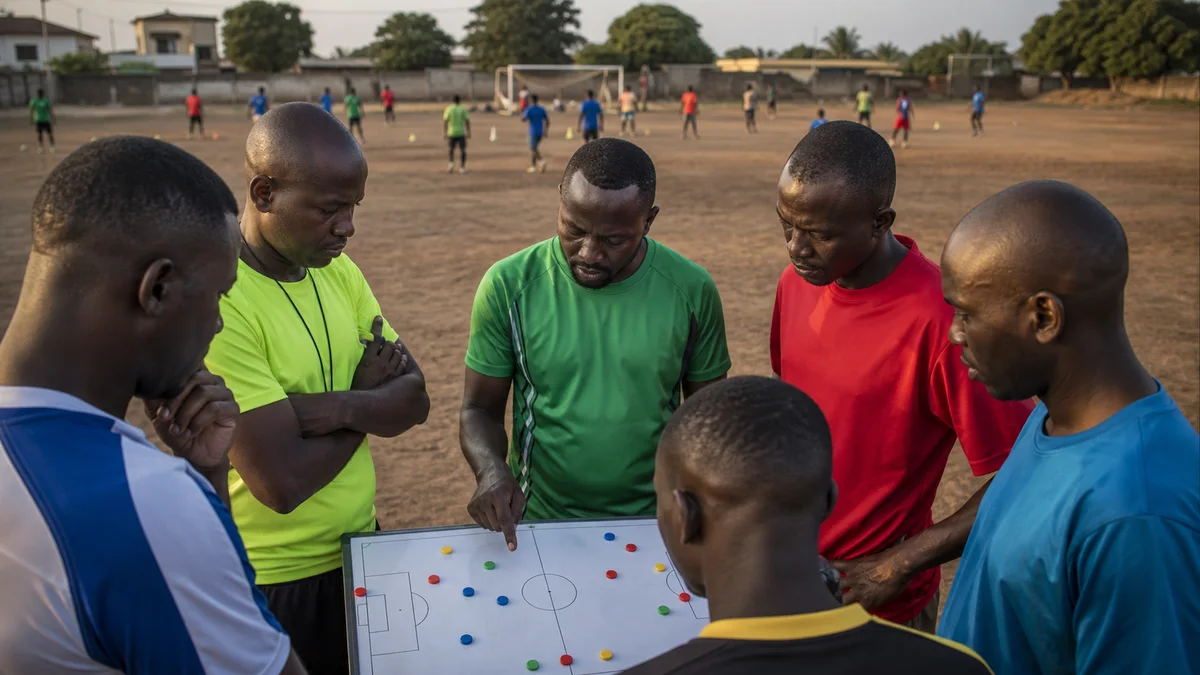
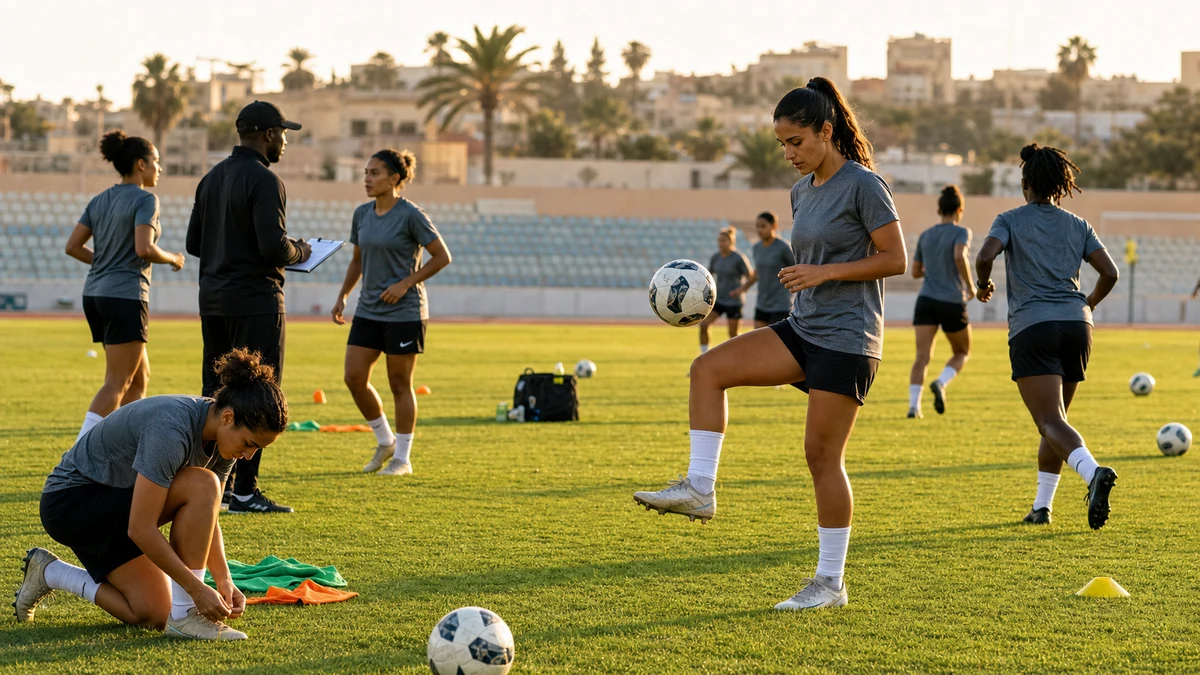
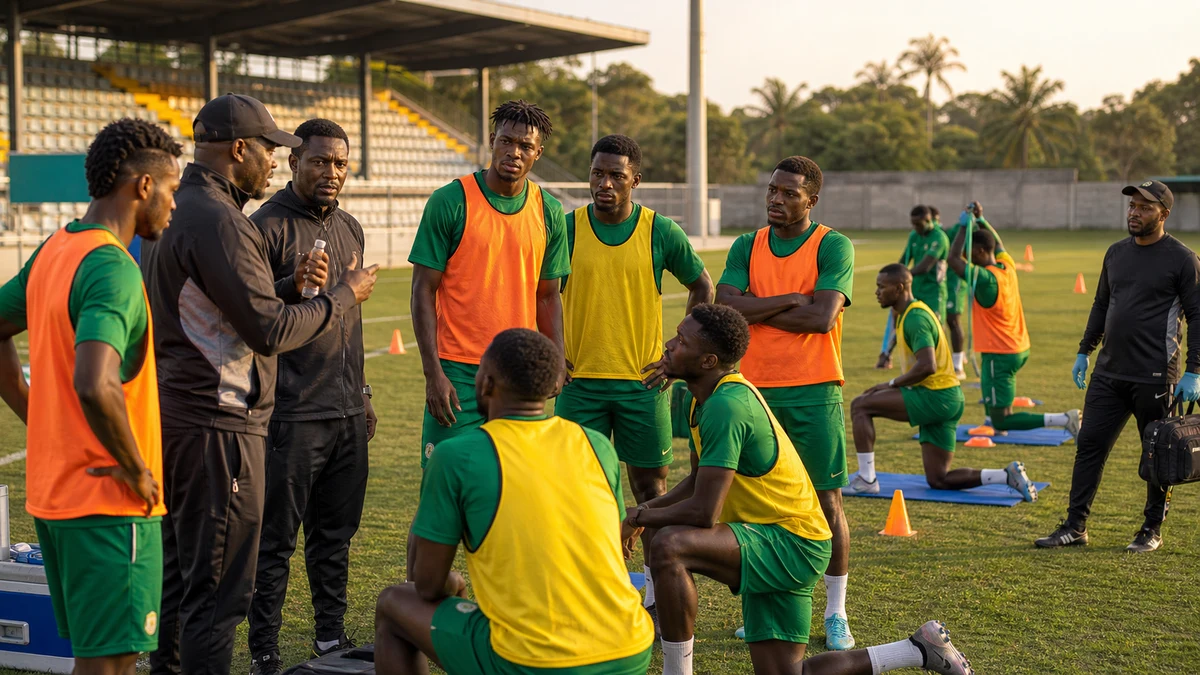
The headline change is the move to 16 teams. Expansion from 12 gives more countries elite minutes, but it also raises a harder question: have federations built squads that can handle repeated matches, travel, heat and pressure? Morocco, Nigeria, South Africa, Zambia, Ghana, Kenya and the rest will all be judged by preparation as much as talent.
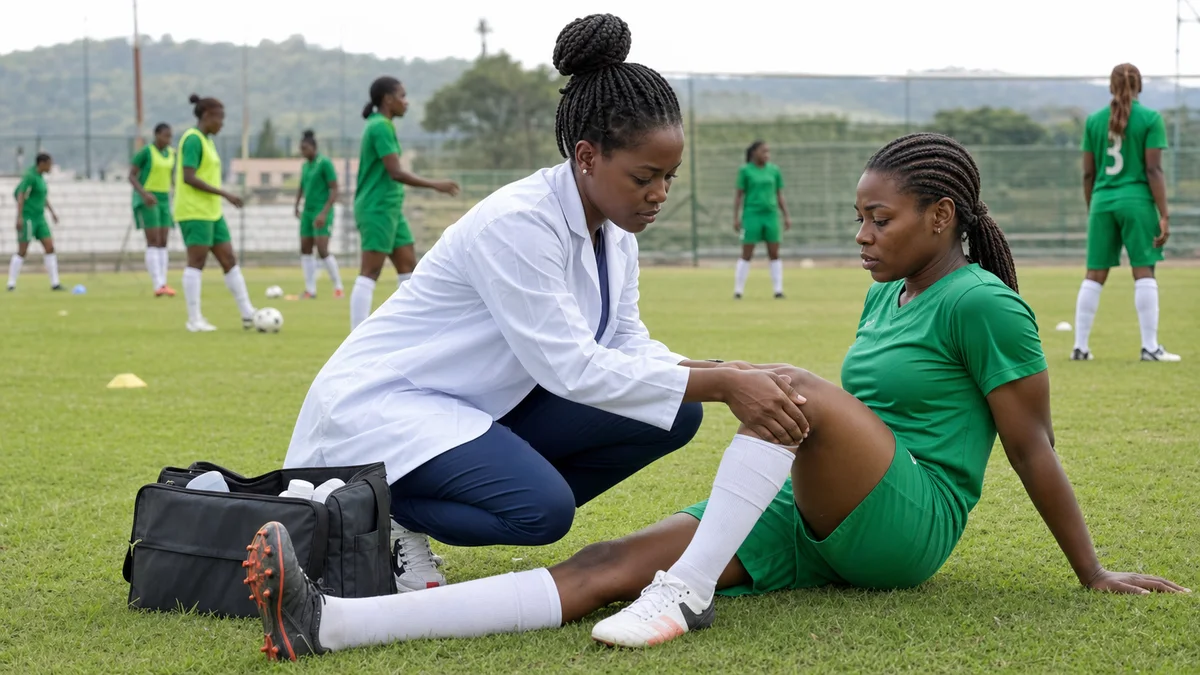
Logistics matter as well. CAF says Rabat and Casablanca will host the competition across five approved venues. That is simpler than a tournament spread across several countries, yet multi-week football still rewards medical planning, nutrition, recovery and usable substitutes. A strong starting eleven is not enough when the group stage turns into knockout pressure.
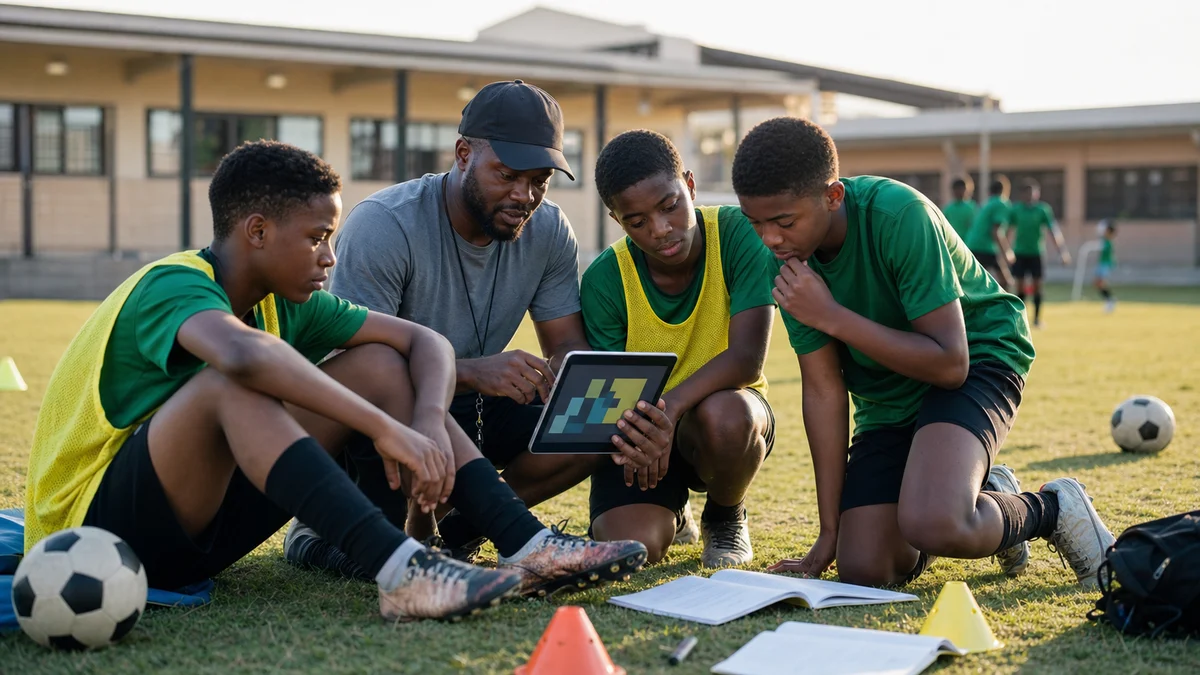
The tournament arrives at a moment when money, broadcasting and club structures in African football are changing. A strong WAFCON can help protect player welfare, raise the profile of women professionals and show girls a visible pathway. If the competition lands well, the benefit should travel beyond the final into clubs, academies and school pitches.
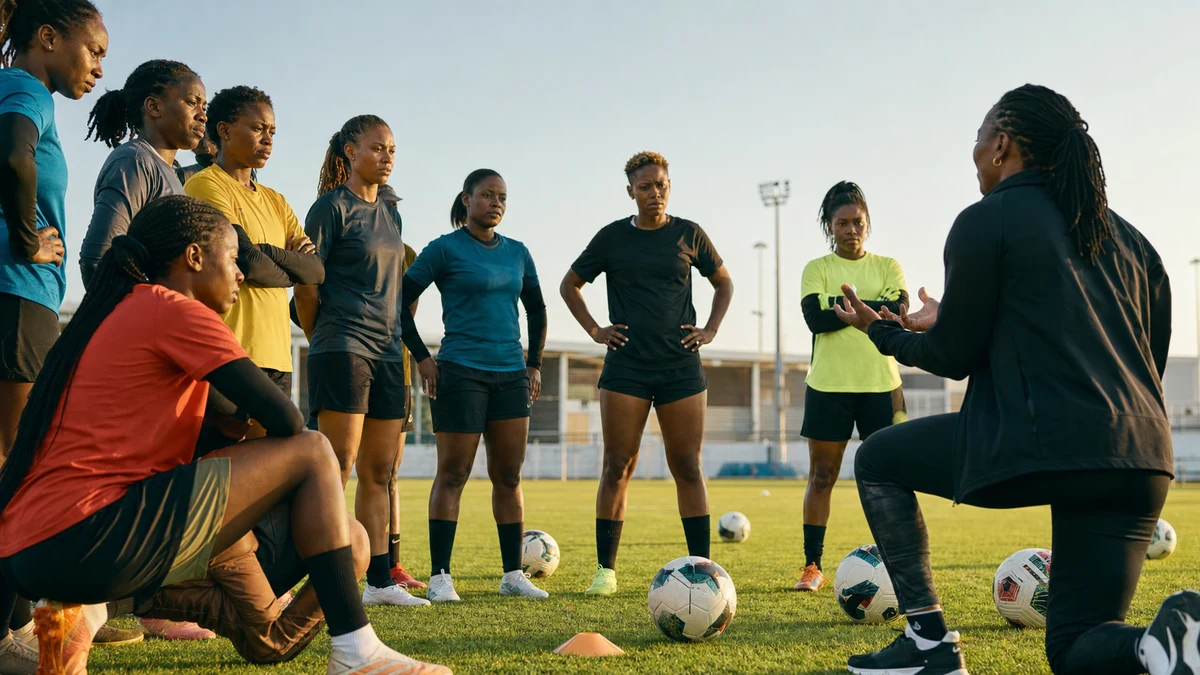
Readers should watch three details. Set pieces can decide tight matches when teams are nervous. Goalkeeper and centre-back communication will matter because many sides press higher now. Substitutes who can keep the tempo in hot conditions may become match winners, especially after the first hour.
WAFCON 2026 is about a trophy, but it is also a measurement of the system behind the trophy. If 16 teams get good pitches, clear medical support, thoughtful coaching and serious media attention, the tournament can strengthen the next generation. That is the wider story to follow when the opener begins.