African club football wants growth, and the ambition is easy to understand. Stronger competitions, rising women football, better academies and more television attention can give players and fans real value. But a busy calendar can become a problem if player welfare and planning do not keep pace with the ambition.
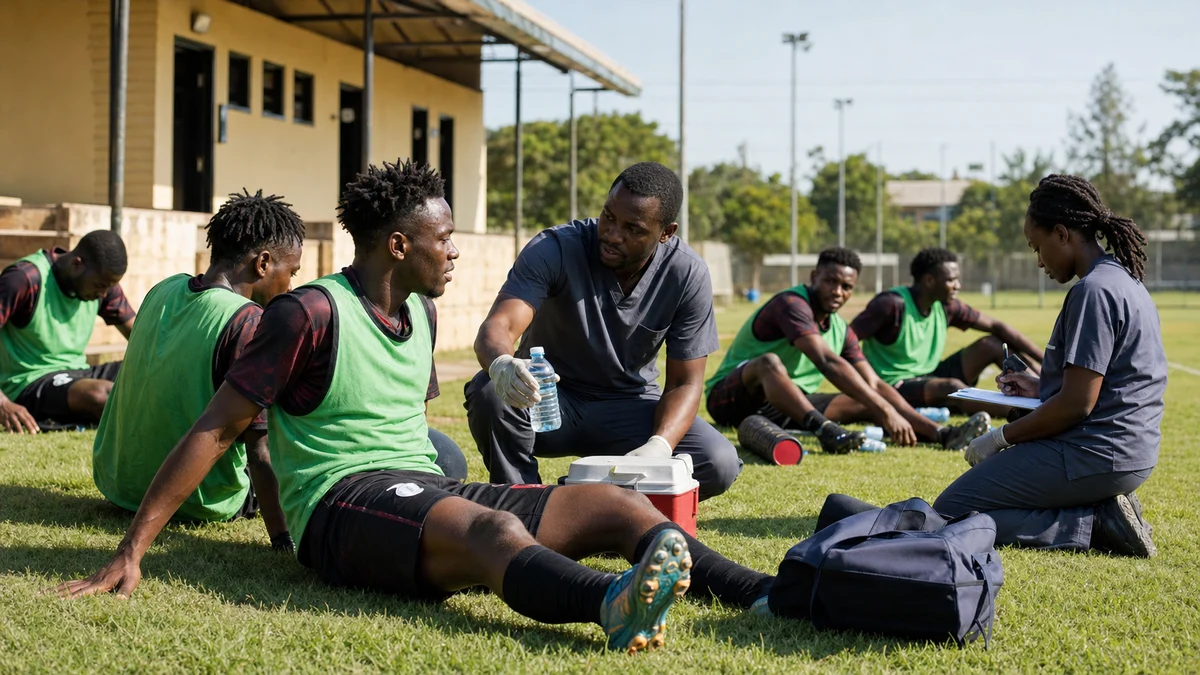
Travel across the continent is rarely simple. A club can move from a domestic league match to a continental fixture within a few days. Flights, visa timing, hotel quality, training fields and recovery equipment all affect performance. If people only look at the scoreline, they miss the load a player is carrying.
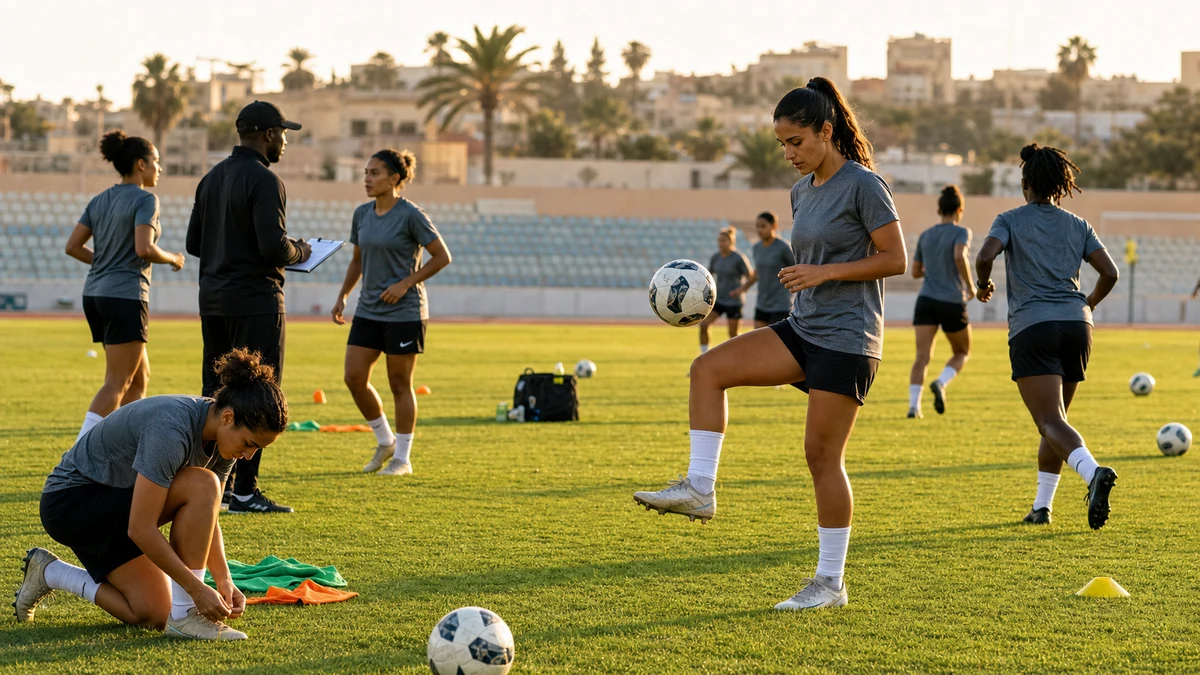
Women teams need special attention. The growth is exciting, but support systems can still be uneven. Medical checks, safe travel, predictable fixtures, good pitches and fair pay should sit inside the development story. If the calendar becomes visible but care does not improve, progress will be fragile.
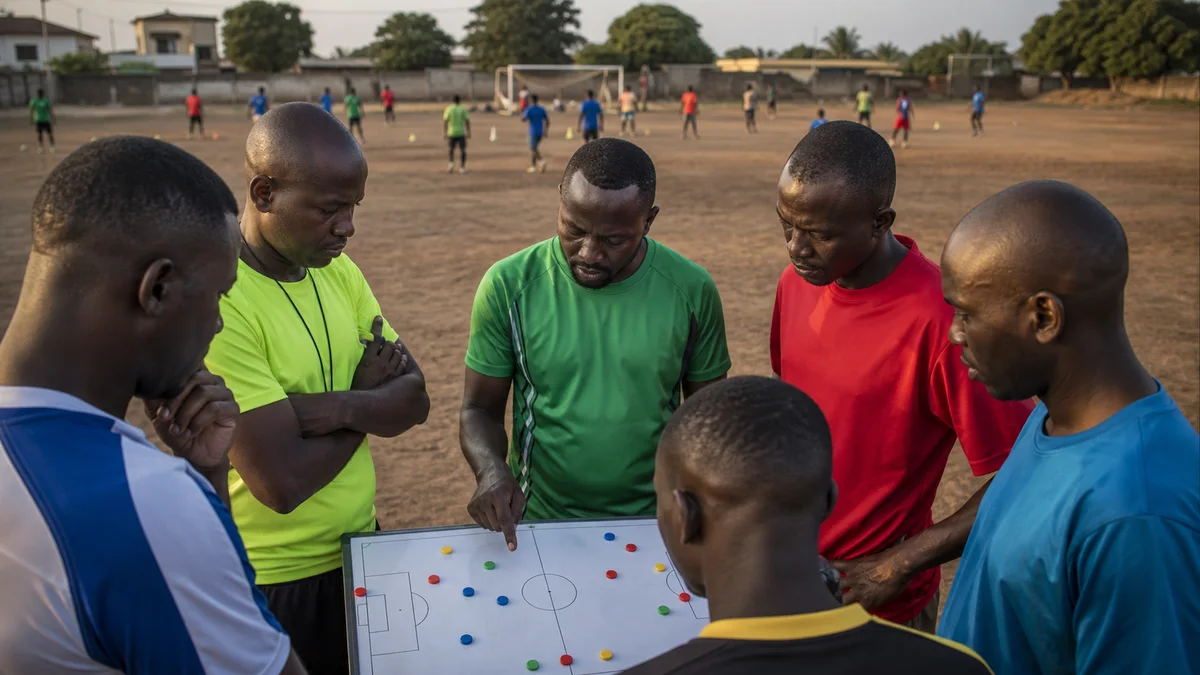
Clubs also need discipline. A coach may want the strongest lineup in every match, but a long season needs rotation. A young player who is improving may deserve minutes, but that player should not be pushed into a workload that even older professionals would struggle to carry. Welfare is not an excuse; it protects talent so the football improves.
Federations and league organizers can help with clear calendar windows, reasonable rest days, medical minimums and early communication. When a club knows travel dates weeks before a fixture, it can book a better route and protect recovery time. Last-minute fixtures often help only the richest teams, because they can absorb chaos.
The checklist below shows areas that fans can ask about. Good ambition needs structure. If African club football wants larger audiences and stronger squads, it must treat player bodies as part of the product. The game grows best when the people playing it are protected enough to perform repeatedly. That demand belongs beside trophies and television deals.