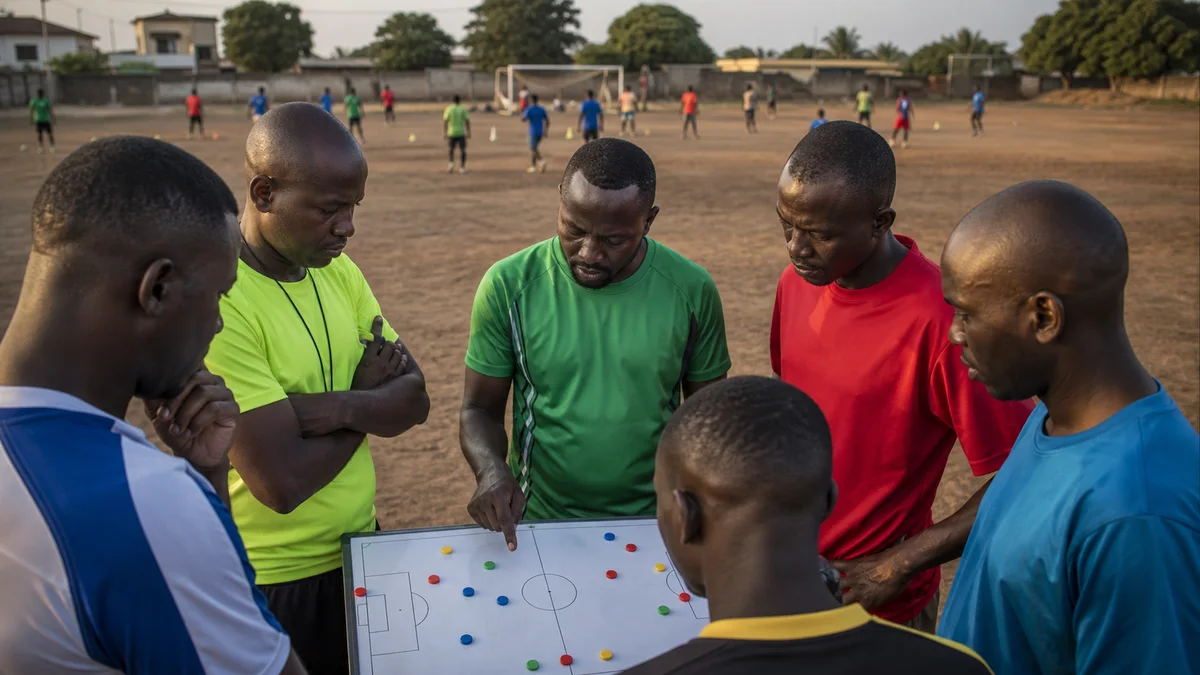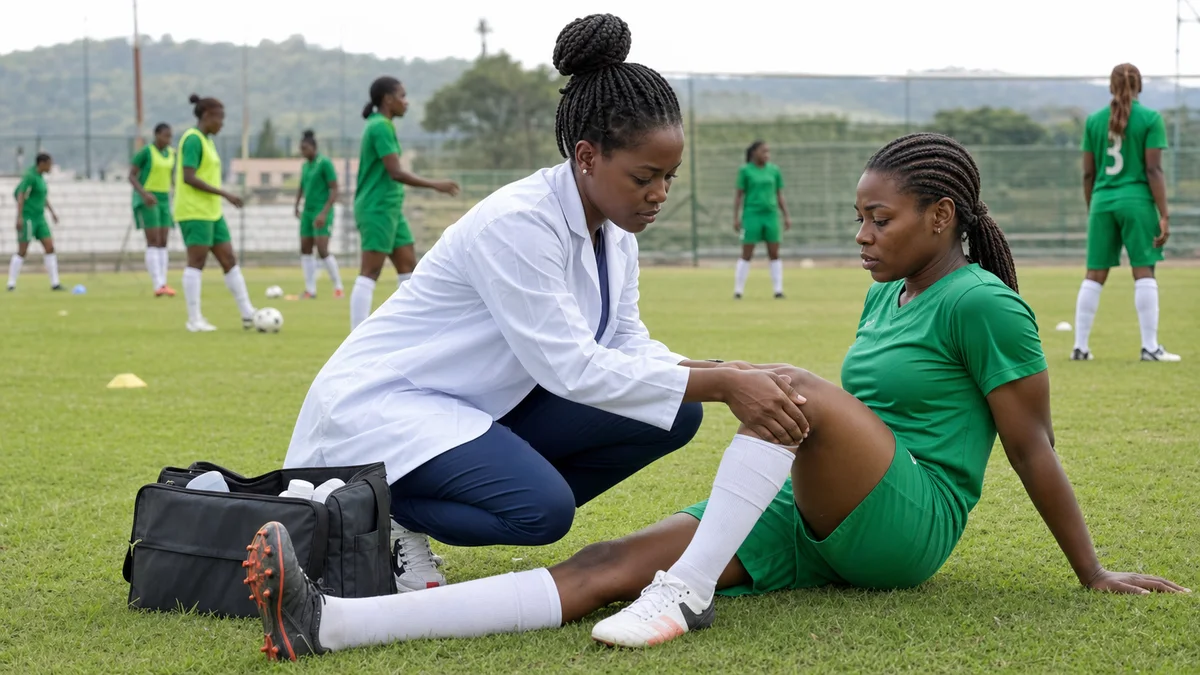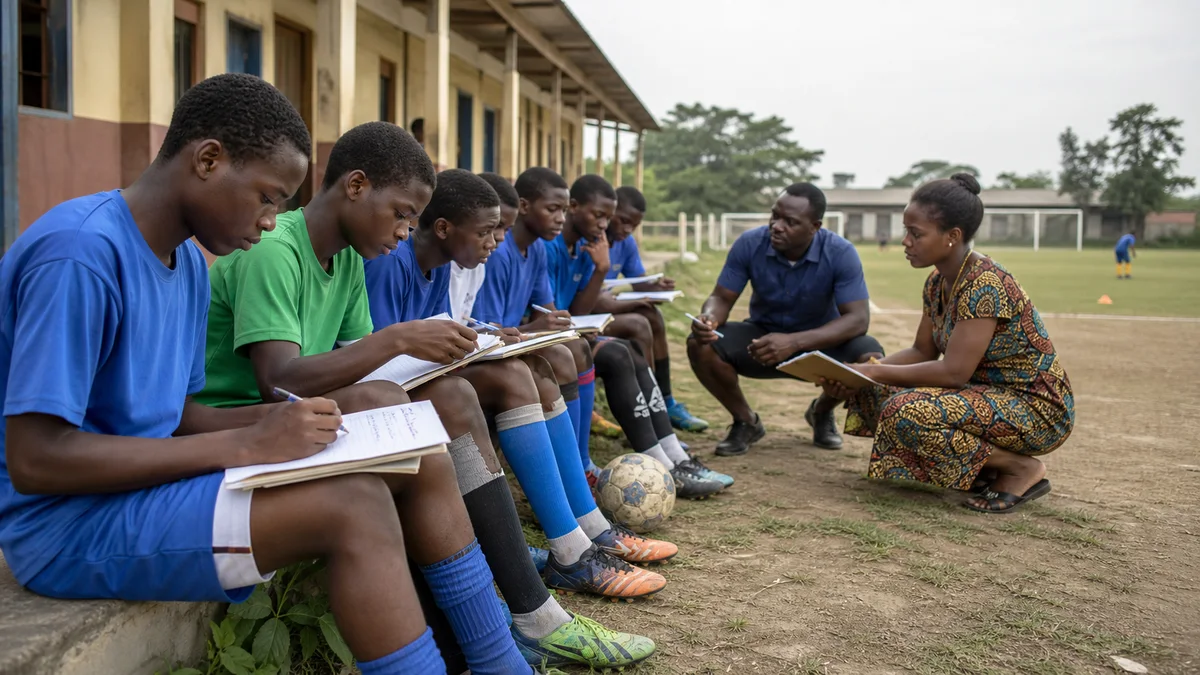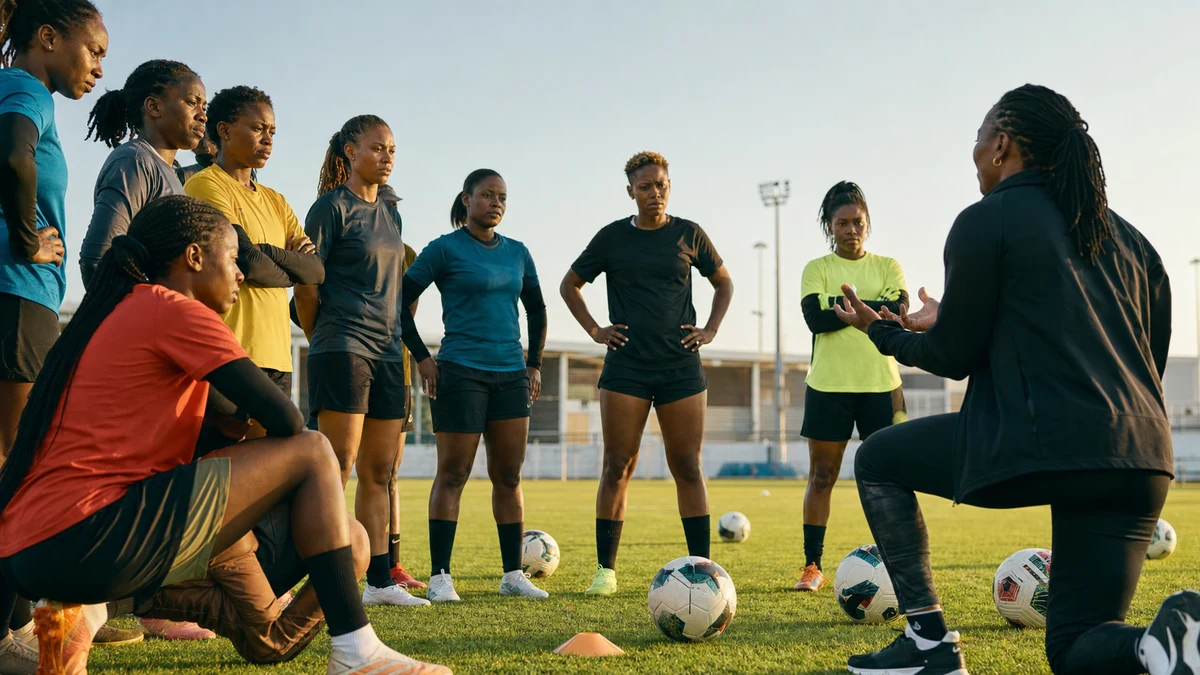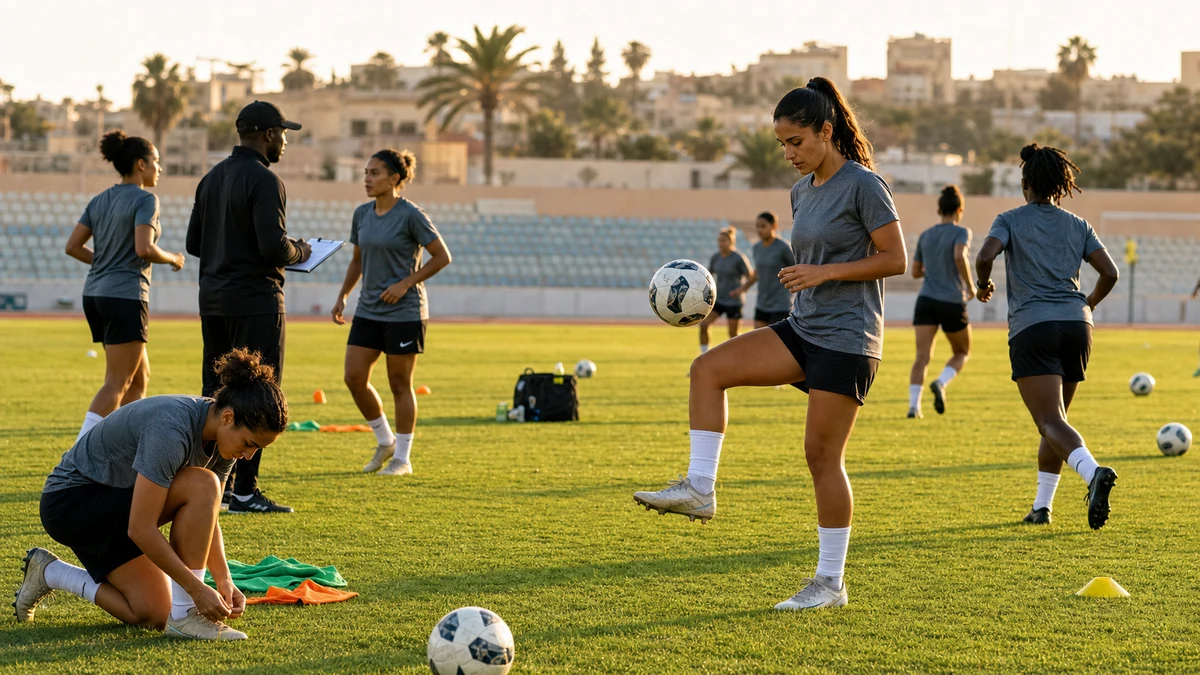
WAFCON 2026 is about to begin in Morocco with two stories moving at the same time. It is a continental title race, but it is also the African route toward the 2027 Women’s World Cup in Brazil. That makes every match a scouting window as well as a scoreline.
CAF kick-off information and tournament guides point to a 16-team event, with Morocco opening in Rabat. Supporters will follow the familiar stars, but clubs and agents will watch a different layer too. They will look for defenders who build attacks, calm goalkeepers, midfielders who resist pressure and forwards who keep working without the ball.
The qualification angle changes match pressure. A draw can protect a group path for one team, while another may need goal difference. Readers who want to understand the tournament should watch tables, rest days, yellow cards and squad rotation. The score matters, but the route can matter just as much.
African women’s football has earned wider attention in recent years, but a successful tournament also needs club-level follow-up. Local leagues, broadcast windows, medical care and clear contracts decide whether visibility becomes a career step. A player who shines at WAFCON still needs a structure that protects the next move.
Supporters can help by sharing clips responsibly. A defender who slips once may also have played 90 minutes of excellent tournament football. A goalkeeper beaten by a late goal may have kept the team alive earlier. Good scouting looks at the whole match, not one dramatic moment.
Morocco, Nigeria, South Africa, Zambia and other contenders will all show where their programs stand. A ticket to Brazil would be huge, but even disappointment can produce useful evidence. It can reveal which youth pathways, club calendars and federation plans need investment before the next cycle. The best readers will follow who plays, who rests and which clubs are ready to support the players afterward.