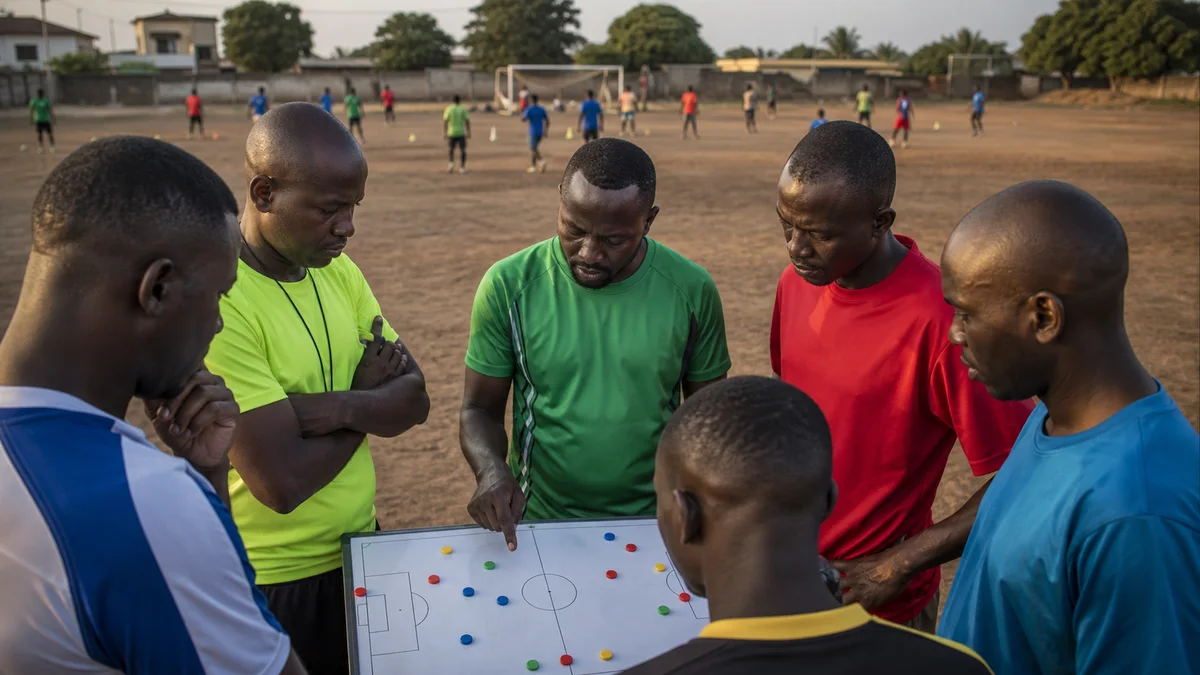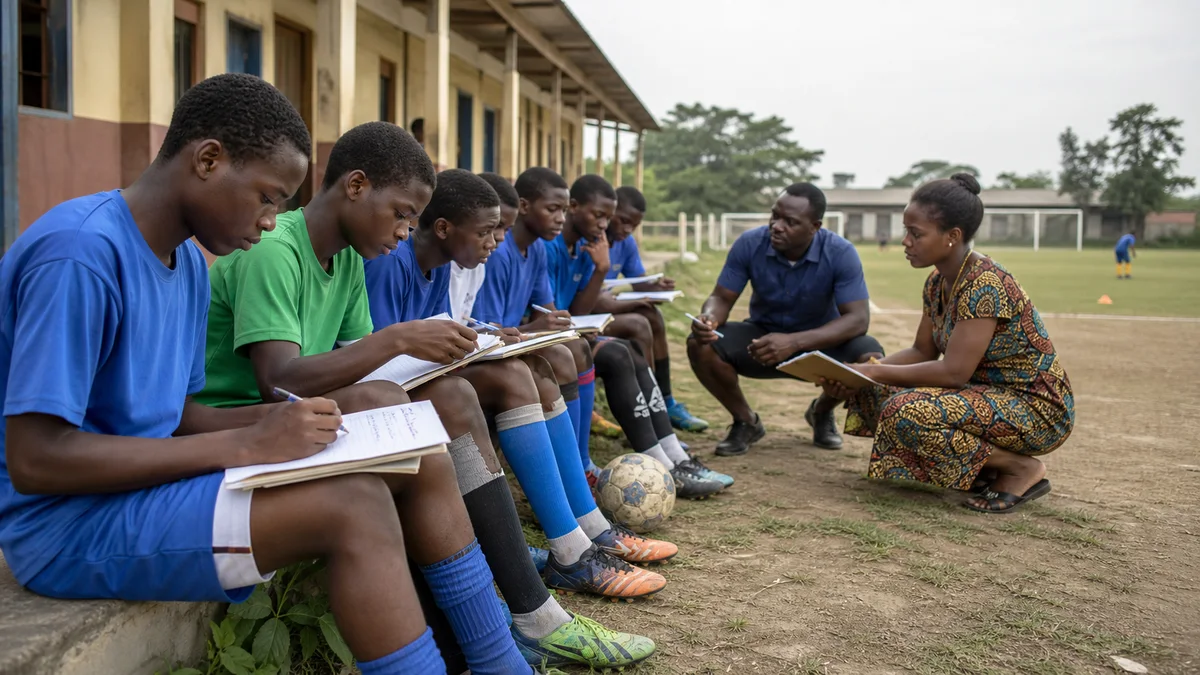
The CAF youth talent story often begins with a highlight clip, but a real pathway needs patience. A young player may be fast, skilful and confident, yet development is not only about goals. It needs coaching, school support, health checks, family guidance and data that helps adults make responsible decisions.
Data can help when it is used well. Minutes played, injuries, school attendance, growth changes, position learning and travel load can show whether a player is ready for the next step. But data should not become a label saying the child is already a star. It should protect the player from pressure as much as it identifies promise.
Schooling matters. Football can open doors, but careers are uncertain. Injury, late physical growth, family moves or selection changes can alter the path. A young player who stays in school has options and confidence. An academy that treats education as a distraction is building risk inside talent.
Medical support matters too. Adolescents grow at different speeds, and overload can hide behind excitement. A coach who understands child growth patterns can read training load better. Parents also need clear explanations, especially when scouts, agents or clubs begin making promises.
CAF member associations, clubs, schools and communities can build a better chain if roles are clear. Who tracks school progress? Who keeps medical records? Who explains contracts? Who checks that the child is not moved too early? If the answers are missing, the talent pathway can become a lottery.
The simple point is that youth football needs more than discovery. It needs care after discovery. The table below helps readers see what a serious pathway should watch. The best prospect is not only the child who shines today; it is the child whose development is protected long enough for talent to become adult performance.