New reporting on scam centres shows that cyber fraud has become factory-style crime, not just messy email spam. AP cited UNODC warnings about organized groups using technology, forced labour and false investment stories across borders. That makes one practical household rule urgent: money should not move until two pieces of proof are in place.
A voice note, video clip, bank screenshot or message saying there is no time to wait should not be enough by itself. The first check should use a phone number or account the family already knows. The second check should come through another trusted person, a normal banking route or a written record that can be reviewed later.
INTERPOL has reported a large fraud operation with thousands of arrests, while the FTC and FBI continue to warn about investment promises that offer large returns with little risk. The pattern is consistent. Fraudsters want speed. They want fear, excitement or loyalty to make the victim act before thinking.
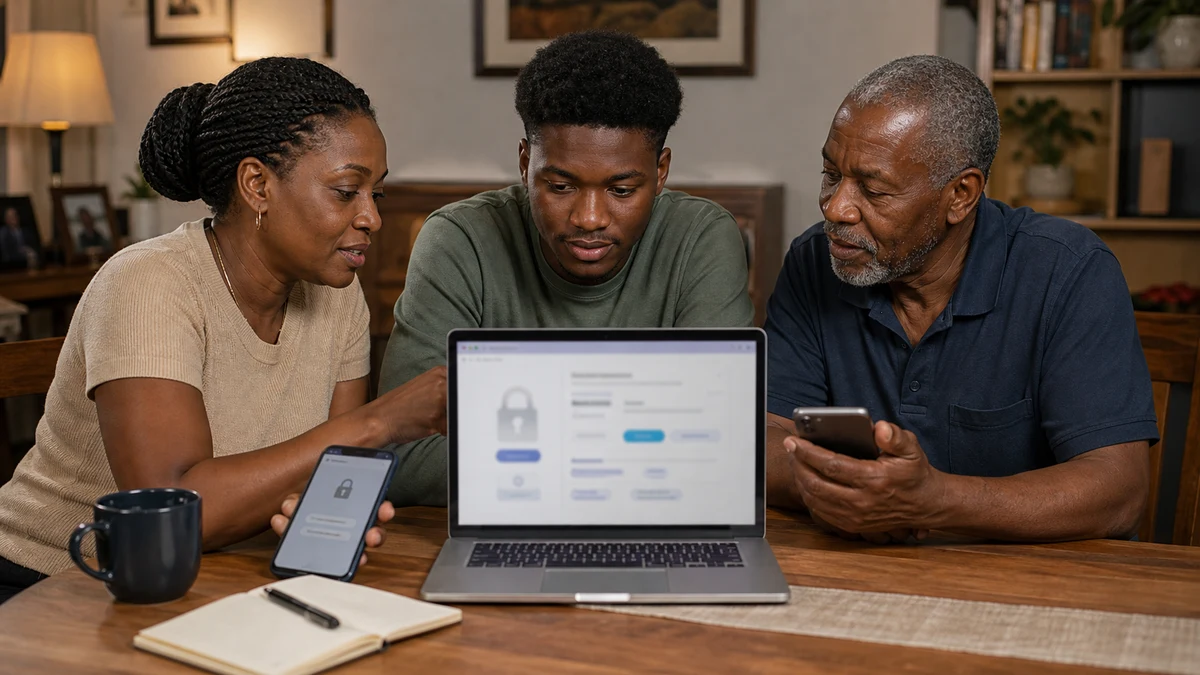
Families can set a code word, but that is only a start. Emergency money requests should also require a call back, a second relative and a saved note. If the person asking for money says nobody else should know, that secrecy is a warning sign. Real emergencies can survive a careful check.
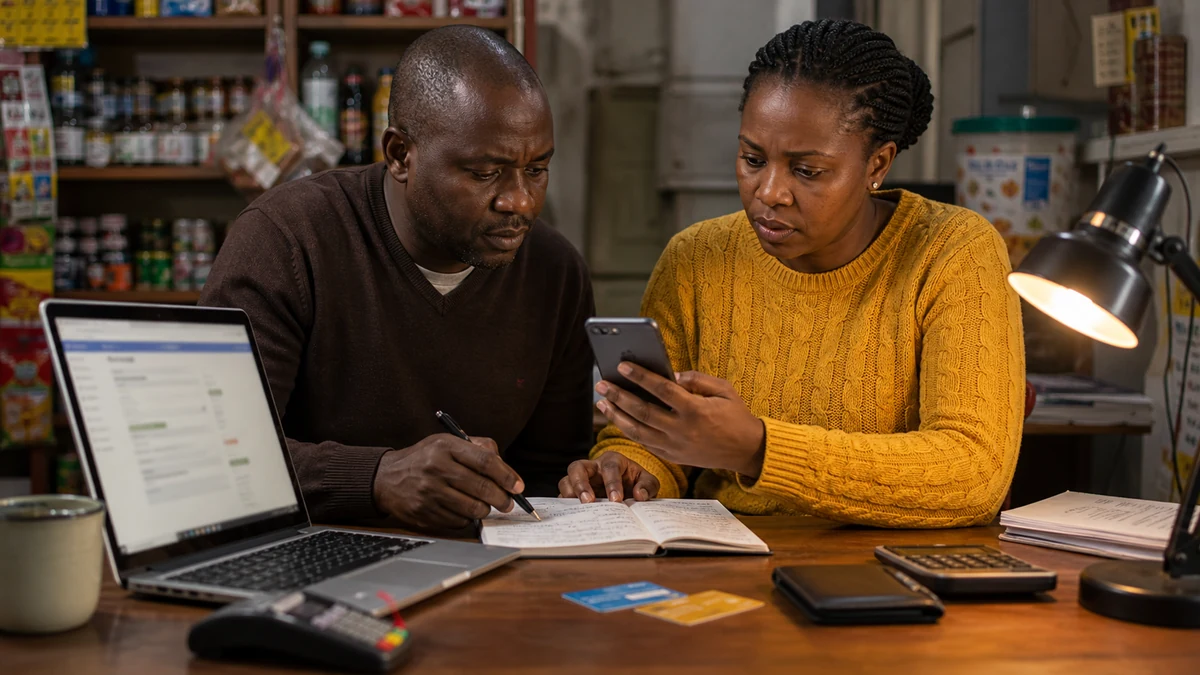
Small businesses need a matching invoice rule. If a supplier changes bank details, a manager sends an urgent payment message or a customer requests an unusual refund, one person should not approve the transfer alone. Old contact details, the new request and written approval need to line up.
Digital safety is not only about a new app. It is a shared habit: stop, check, call and write it down. If a family or business agrees on that habit before trouble appears, the pressure tactics lose power. When a message says the matter is urgent, that is exactly why it deserves a second proof.