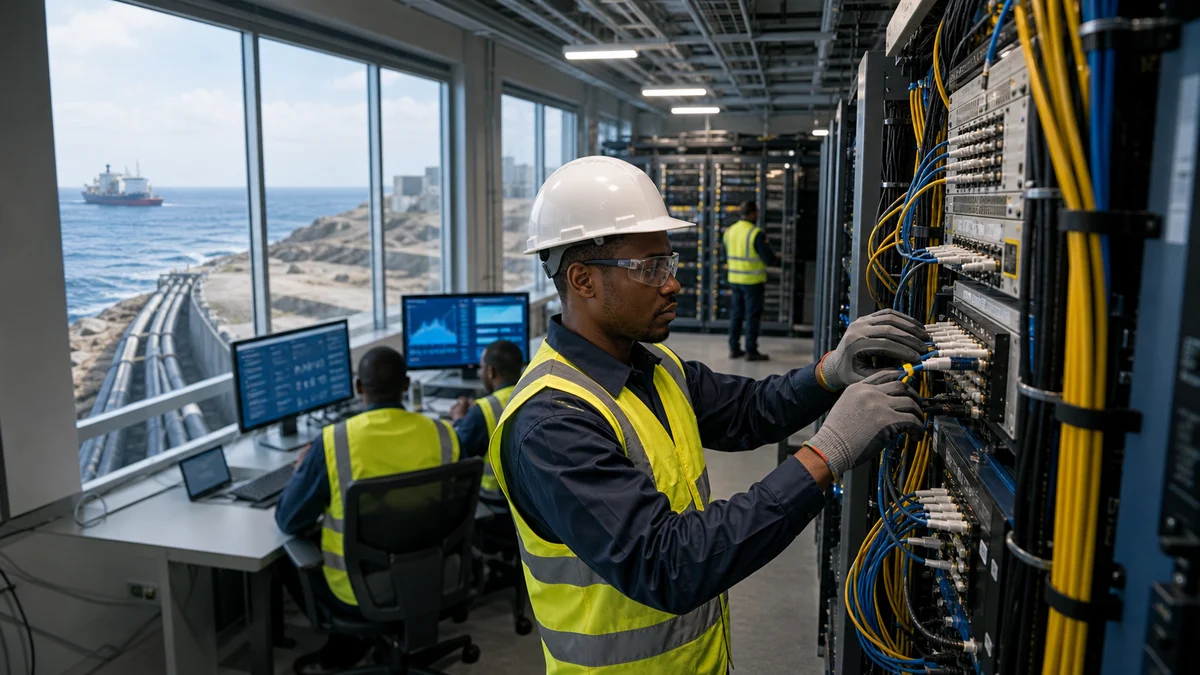
Most people experience the internet through phones, apps and Wi-Fi, so it can feel weightless. In reality, digital life depends on physical infrastructure: undersea cables, data centers, power systems, exchange points and technicians who keep networks connected.
Undersea cables are especially important because they carry large amounts of international traffic. When a cable is damaged, users may see slow service, failed payments, broken calls or delayed business systems. The problem can feel like an app failure even when the cause is far below the surface.
Data centers matter because cloud services need places to store and process information. A country that wants stronger digital services must think about power reliability, cooling, security, land, regulation and skilled workers. Digital ambition needs physical planning.
Resilience means having alternatives. Multiple cable routes, local traffic exchange, backup power and clear emergency communication can reduce the damage when something fails. The goal is not to promise that outages will never happen. The goal is to stop one break from becoming a national slowdown.
African economies have a strong reason to invest in this layer because more banking, health, education, media and government services are moving online. When infrastructure fails, the cost is not only inconvenience. It can interrupt income, public services and trust.
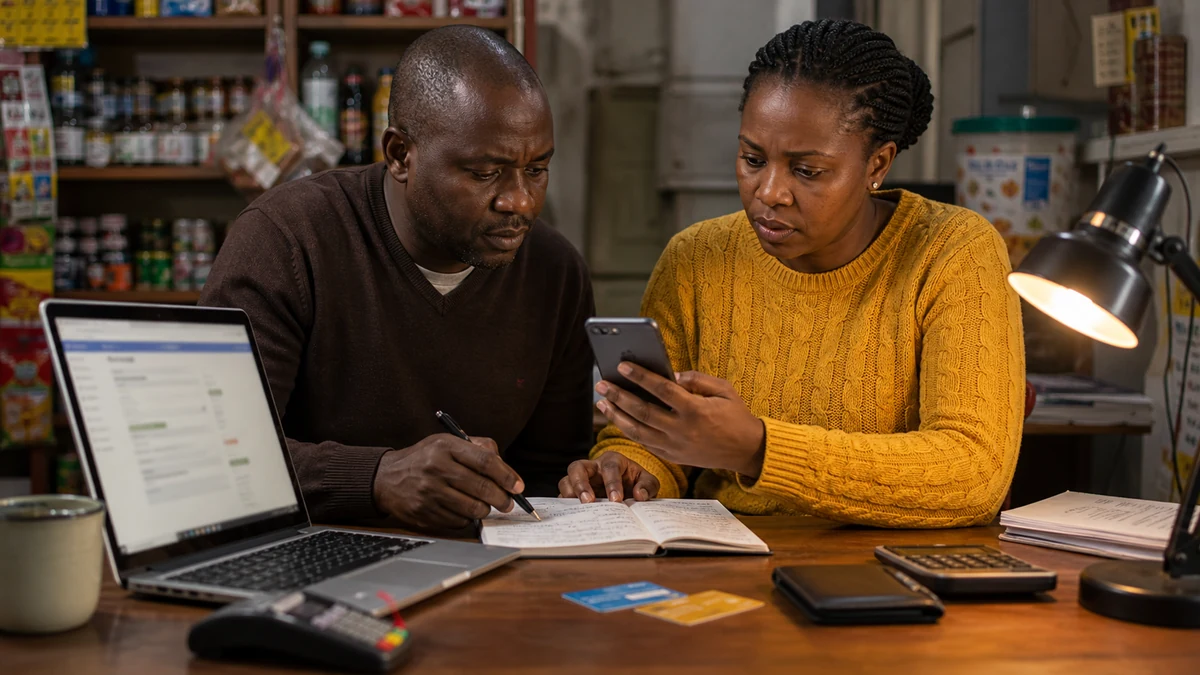
For readers, the useful lesson is that internet quality is not only about phone signal. It is about the full chain behind the screen. Better digital life requires cables, power, data centers, policy and people who can repair problems quickly. Businesses should also ask practical resilience questions: where data is hosted, how payments continue during outages and which backup connection keeps work moving when the main route fails. Those questions should be asked before a failure, because outage planning is much harder during a crisis and usually costs more under pressure for everyone.