A short clip can now create a long political or social argument before anyone checks where it came from. Synthetic audio, edited video and misleading captions can make a public figure appear to say or do something that never happened in that form. The danger is not only the tool. It is the speed of belief.
Readers should start with origin. Who posted the clip first, and is that account connected to the person, event or institution involved? A video copied through many accounts may still be real, but every repost makes context harder to verify. The oldest available version is often more useful than the loudest version.
The second check is corroboration. Serious claims should appear in more than one reliable place. If a clip claims a minister resigned, a player was arrested or a court gave a ruling, there should be official records, credible reporting or direct statements that match the claim.
The third check is detail. Look for mismatched lighting, strange mouth movement, missing background context, cropped signs, unclear dates and comments that say the clip is old. None of these alone proves manipulation, but they are reasons to slow down.
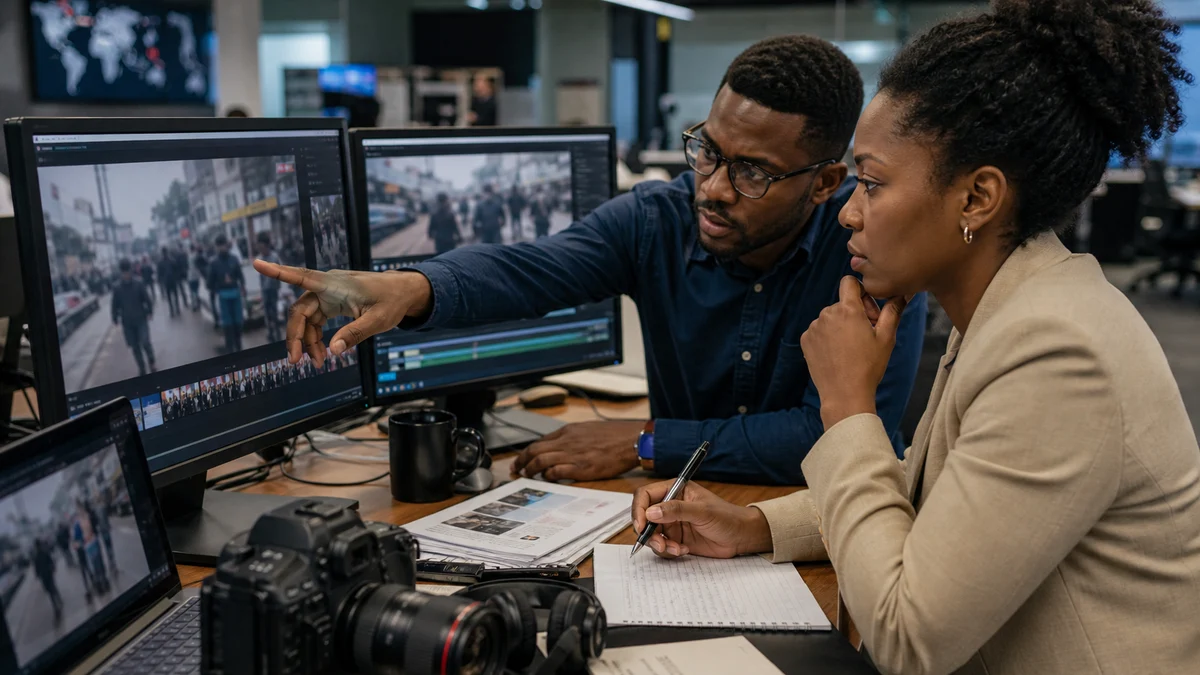
Newsrooms and creators have a responsibility to label uncertainty. Saying 'unverified' is better than pretending confidence. Correcting an error quickly should be treated as strength, not embarrassment. Public trust improves when people can see the verification process.
For everyday readers, the rule is simple: do not let shock become the share button. Save the clip, check the source, compare it with reliable reporting and wait when the claim is serious. In a media environment where images can lie, patience becomes a form of protection. If a correction appears later, sharing that correction also matters because the first false clip may have reached people who never saw the follow-up.