Deepfake and manipulated audio are easier to spread through chat groups, short video apps and political conversations. The problem is not only technology; it is speed. When shock moves the finger toward the share button before the brain asks questions, falsehood gains an advantage.
The first verification habit is pause. If a video makes you angry, afraid or eager to send it to a group immediately, that is a signal to slow down. Emotional content is often designed to beat careful thinking.
The second habit is source. Who posted the video? Does the account have a history? Has a reliable newsroom or official source said the same thing? If the claim is serious, one clip is not enough. Look for context, location and date.
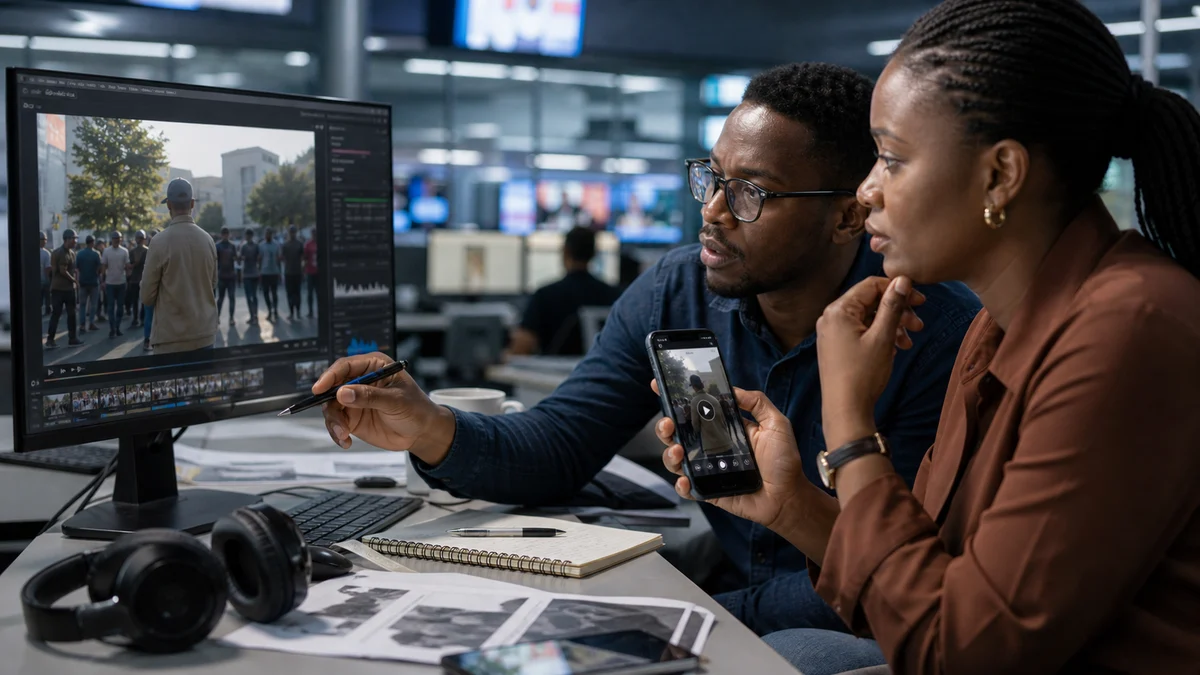
The third habit is technical observation, but ordinary users should not pretend to be forensic experts. Mouth movement, lighting, strange cuts, unnatural audio or a missing original source can be warnings. The safer action is to wait, not to claim certainty.
Community leaders, teachers and journalists can help. Instead of sharing only debunks, they can teach routines: save, check, compare and wait. Correction works better when people learn the process, not only one answer.
Digital safety in the deepfake era is a social habit. Not every strange video is false, and not every real video is complete. The responsible reader asks for source and context before giving a clip more reach.
Newsrooms can give readers a checklist that returns in every story: source, date, location, second confirmation and what is still unknown. That honesty may feel slower, but it builds trust. It is better to ask readers to wait for confirmation than to publish certainty that later damages public understanding.
For families, one helpful rule is to ask before forwarding: who benefits if this clip spreads before it is checked? That question alone can slow harmful rumors.