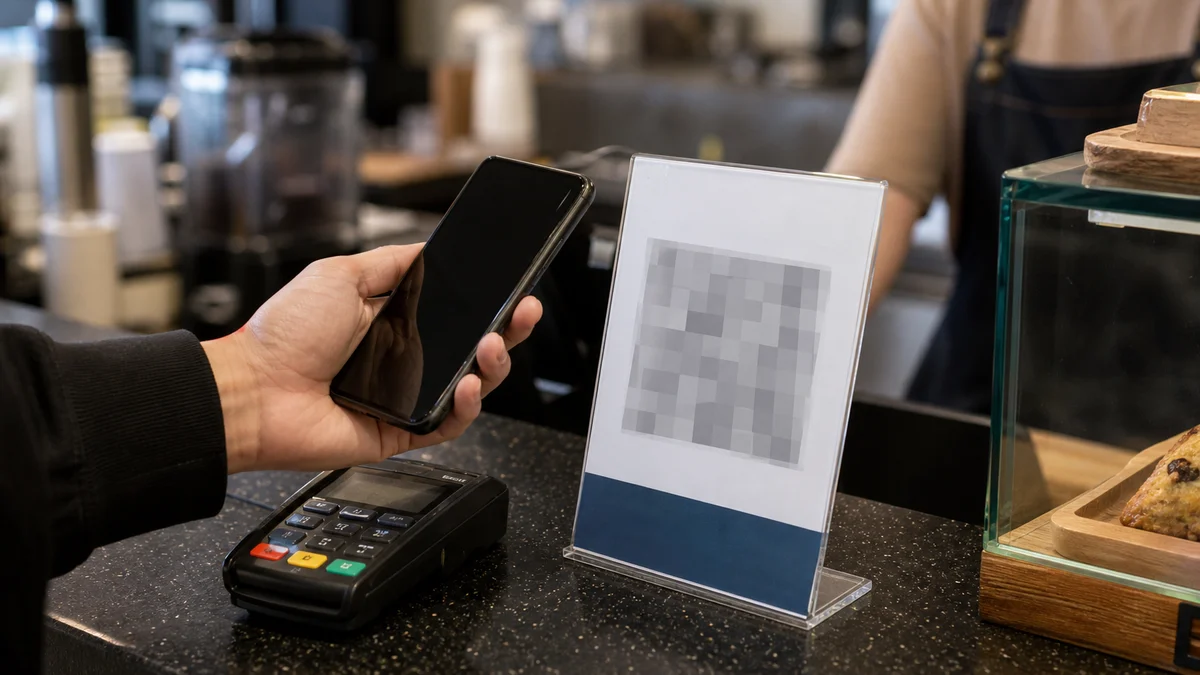
QR codes have become normal in restaurants, parking signs, event tickets and payment counters. The convenience is real: scan, open a link, pay or confirm. But a habit that feels fast can open a door for fake stickers, copied payment pages and links that send the user to the wrong place. Safety starts before the scan.
The first check is physical. If a QR code sticker looks like it was pasted over another sign, or if the payment notice looks damaged, ask staff before scanning. A criminal does not need to hack a whole company if a fake sticker can send customers to a fake payment page. Low-tech tricks can create high-cost losses.
The second check is the link. Phones often show a preview before opening. The domain should match the business, ticket platform or payment service the user expected. Short links and strange spellings deserve caution. If a restaurant menu link asks for bank login details, the user should stop immediately.
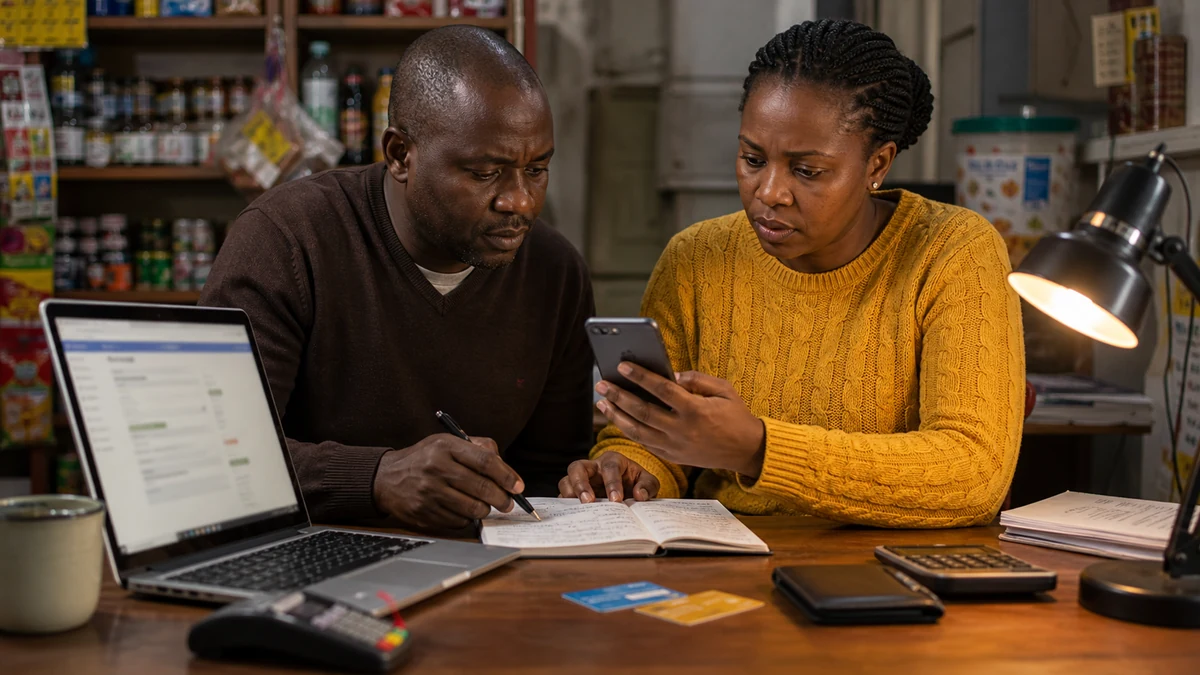
Payment confirmation also matters. After paying, users should check the merchant name, amount and receipt. A rushed payment at a queue can hide a wrong recipient. Shops and event venues should train staff to help customers verify the screen without collecting private codes or passwords.
Security tools help, but behavior still matters. Passcodes, device updates, strong account recovery and extra login checks reduce damage if someone enters a bad page. Users should never approve a login prompt they did not start, even if it appears after scanning a code. A scan is not a reason to surrender judgment.
The table below gives quick checks for everyday places. QR codes are useful and will not disappear. The goal is not fear; it is a slower first second. That small pause can protect a payment, a ticket and the account connected to the phone. Families should teach the same pause to children and elders.