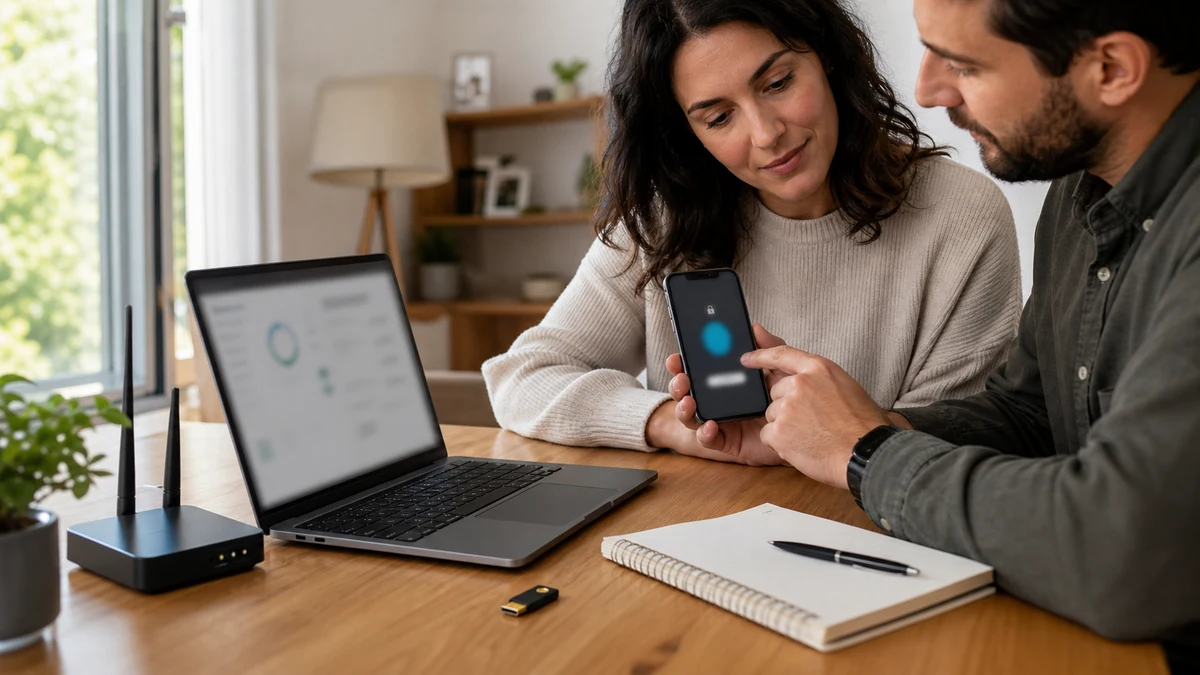
Microsoft's latest Entra ID guidance says passkeys become the default sign-in experience on September 1, 2026 for users still enabled for SMS or voice MFA. The announcement is written for organizations, but the lesson reaches households too. Many personal accounts still depend on a short code sent to a phone, and that habit is becoming weaker than people think.
The central issue is that SMS is not strong protection against modern account theft. SIM swapping, phishing pages, fake support messages and stolen one-time codes can all defeat a system that looks safe to ordinary users. CISA points organizations toward phishing-resistant MFA such as FIDO/WebAuthn, while the FIDO Alliance says passkeys are now used at global scale.
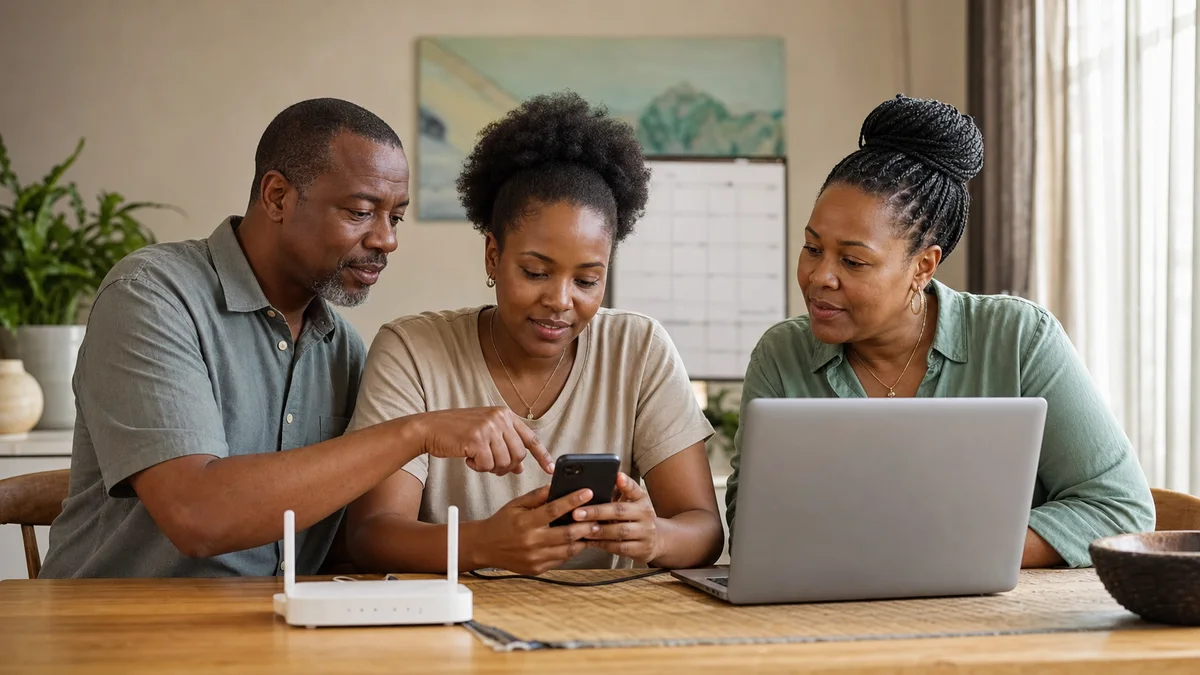
Families and small businesses can treat the Microsoft change as a prompt to audit accounts. Email, banking, social media, school portals, streaming services and cloud storage all deserve a check. If SMS is the only second factor, look for a passkey, an authenticator app, a hardware key or recovery codes stored somewhere safe.
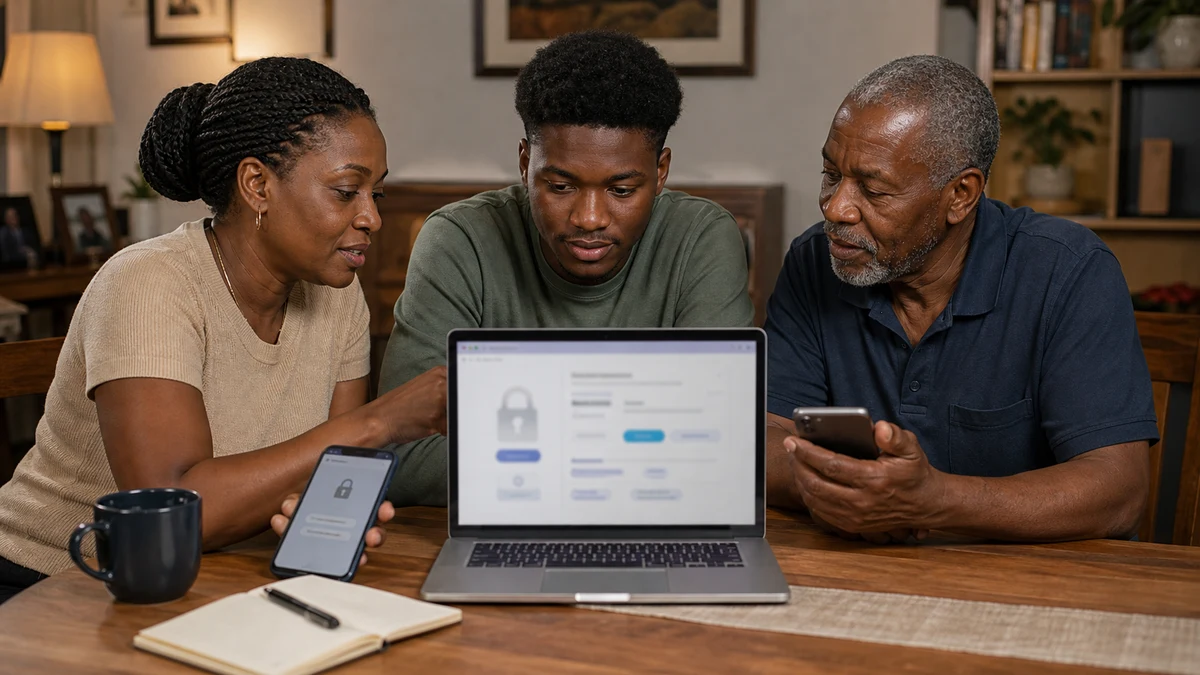
Passkeys also need a recovery plan. What happens if a phone is lost, a parent dies, a laptop is replaced or a child leaves for school? A strong setup usually includes a reliable recovery email, more than one trusted device and a written list of critical accounts kept in a secure place. Security should not depend on one handset.
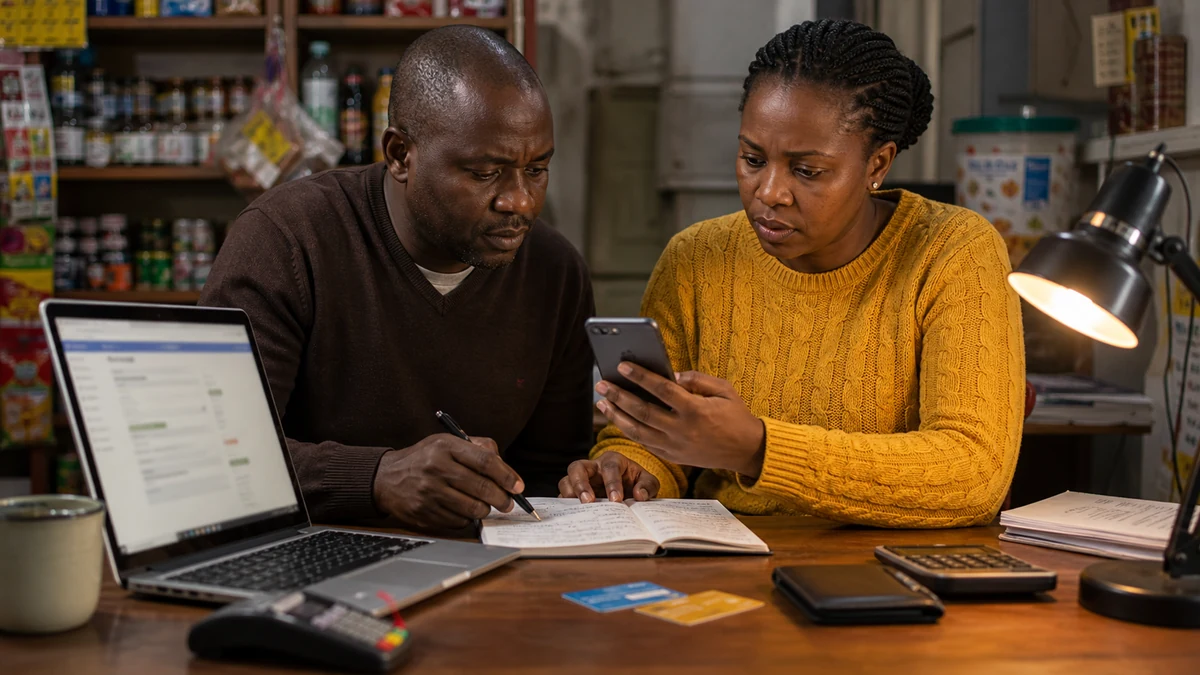
Small organizations across Africa and the diaspora should not wait until 2027 to prepare. Any group using Microsoft, Google, payroll systems, online stores or shared cloud drives can make a list of users who still rely on SMS. Start with administrators, train staff in short sessions, test passkeys on supported devices and keep a clear backup process.
The technology story is really a habits story. Accounts now hold money, work, family photos and identity documents, so a short phone code should not be the only guard at the door. Passkeys are not magic, but they make phishing harder and give readers a timely reason to clean up the way they prove who they are online.