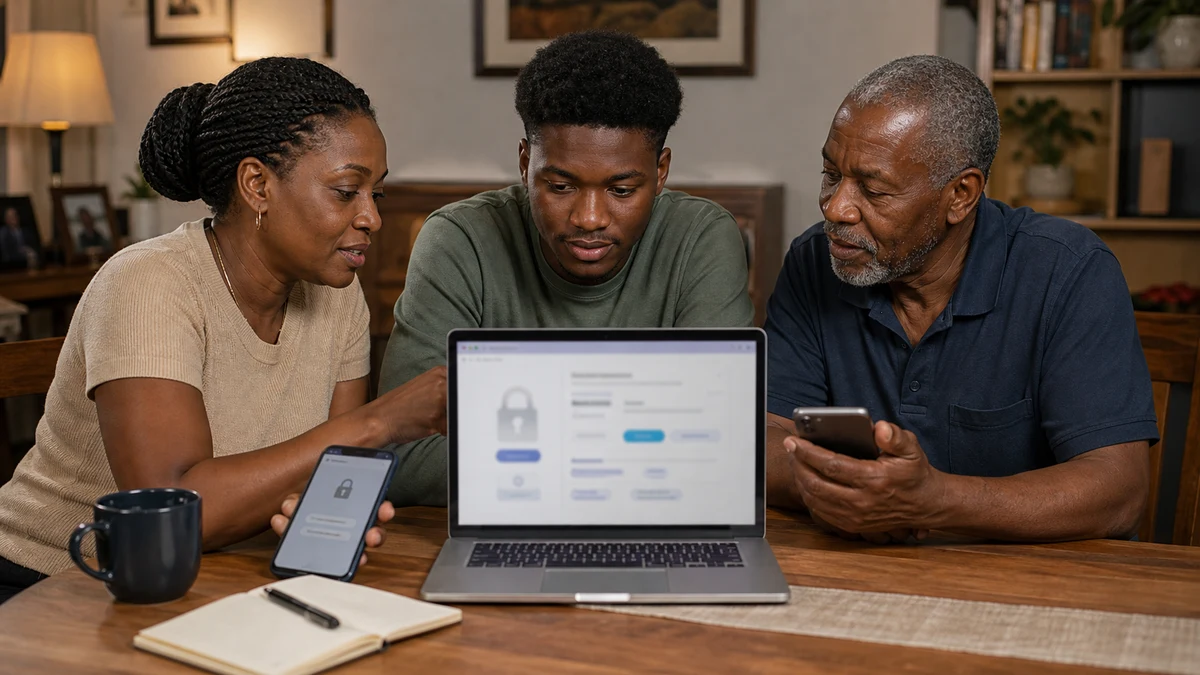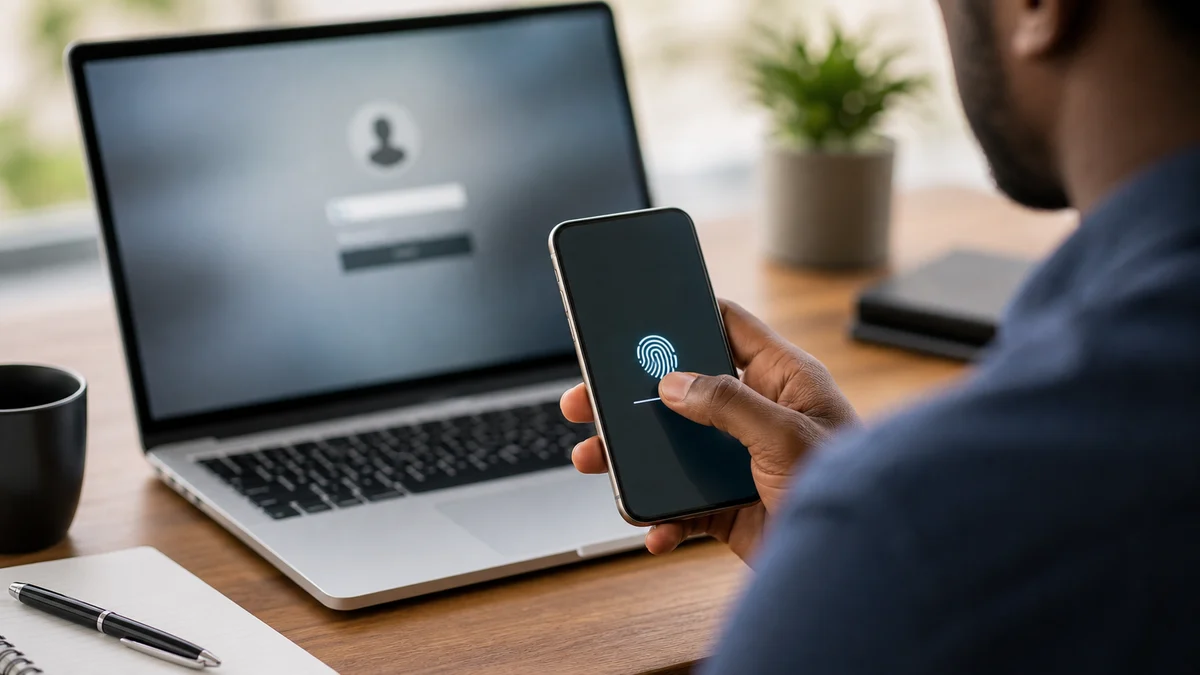
Passwords are still a weak point in everyday digital life. People reuse them, forget them, store them badly or enter them into fake login pages. Passkeys are meant to reduce that risk by letting users sign in with a device-based method instead of typing a reusable secret.
The benefit is simple: a passkey is harder for a criminal to steal through a normal phishing page. If the real service and the device check do not match, the attacker has less to copy. That can protect email, banking, work tools and social accounts from common tricks.
But passkeys do not remove the need for discipline. Users still need secure devices, updated software and recovery methods they understand. If someone loses a phone or gives account recovery access to the wrong person, the problem can move from password theft to account recovery abuse.
Multi-factor authentication remains important, especially for accounts that still use passwords. Users should avoid approving login prompts they did not start. A surprise prompt is not a small annoyance; it may be someone trying to enter the account in real time.
Organizations should roll out safer sign-in with training, not only settings. Staff need to know what changes, how recovery works and who to contact when a device is lost. Confusion can make people look for shortcuts, and shortcuts create new risk.
The practical message is balanced. Passkeys are a useful step toward safer accounts, but they are not magic. Security improves when stronger tools are matched with careful recovery, clear prompts and users who slow down when a login request feels wrong. People should also review old recovery emails and phone numbers, because an outdated backup method can become the weak door after the password is gone. A stronger login only helps when the whole account path is maintained.