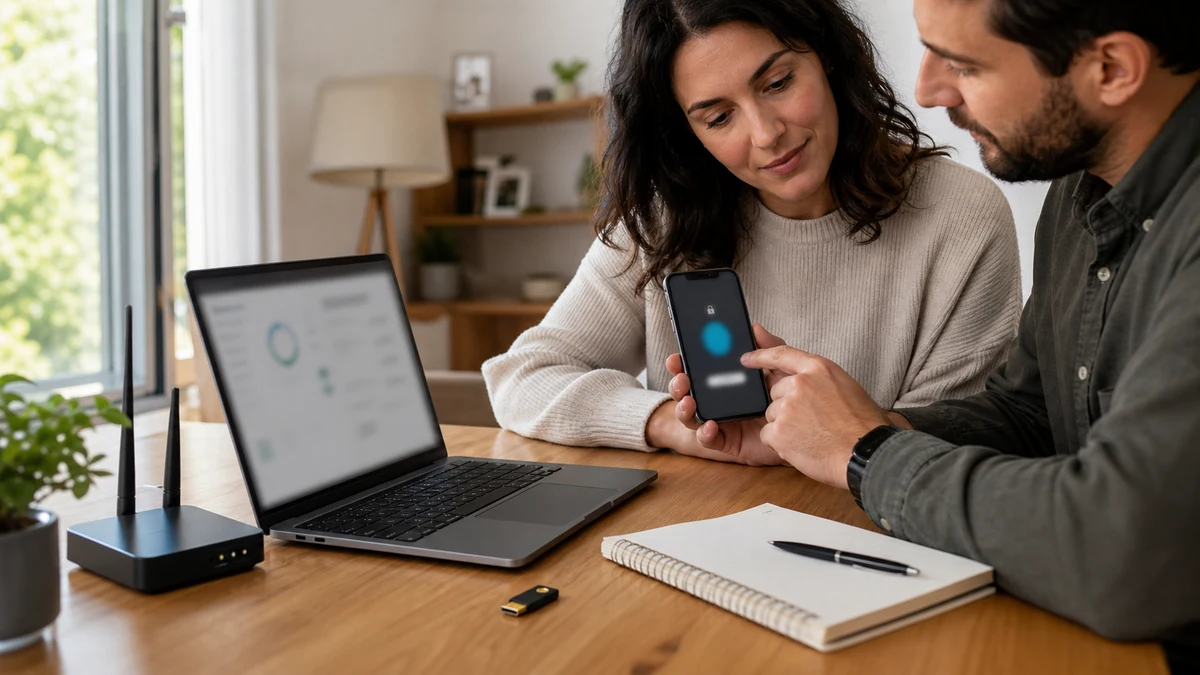
Passkeys and newer sign-in methods can reduce reliance on passwords and make some phishing attacks harder. But many households focus only on today’s login. The missing question is what happens when a phone is lost, a device breaks or a recovery number is no longer available.
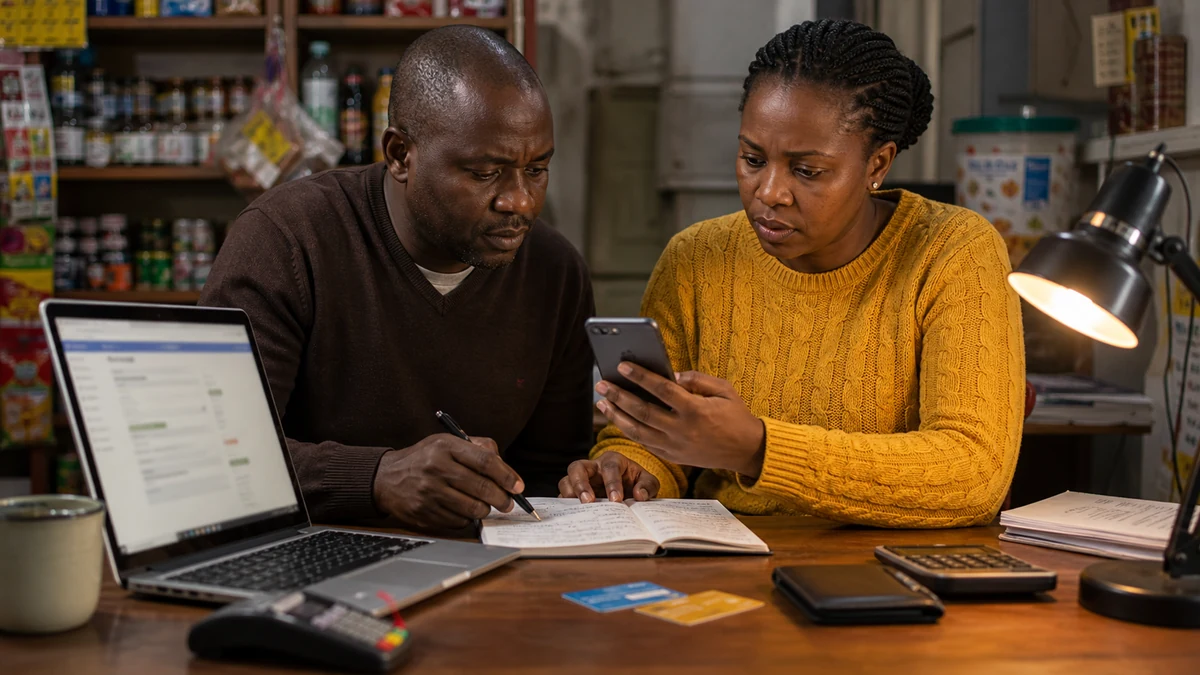
A recovery drill is a short check families can run before trouble starts. They can list important accounts: banking, work, school, medical portals, photo storage and messaging. Then they can confirm backup access, current contact details and a trusted helper for children or older relatives.
The drill should happen while everyone is calm. Before changing phones or traveling, a family can verify that backup devices, recovery contacts and stored documents are still current. The details should be kept somewhere private, not in a group chat that can be searched or forwarded. The point is not to collect secrets in one place, but to know which official recovery path works before stress and time pressure arrive.
Scammers often exploit panic. They claim an account is about to be closed, ask for a one-time code or offer urgent help through a fake link. A household with a tested recovery plan is less likely to rush. It knows to open the official site, protect codes and call a trusted person before making changes.
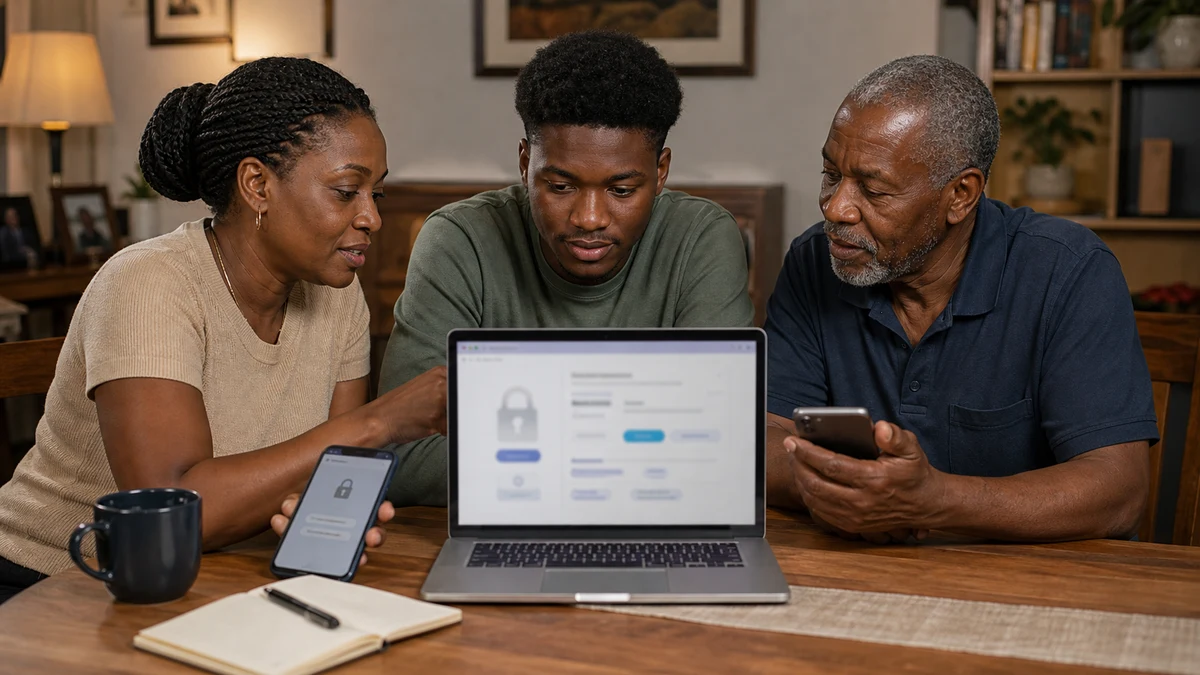
Older relatives and children may need support, but support should not become silent control. A trusted helper can guide the process without taking over the account. The boundary matters because privacy and safety need to work together.
Strong sign-in is most useful when recovery is also strong. A short drill a few times a year can protect money, photos, work files and family messages. If a device disappears, the household will not be inventing a plan under pressure. The exercise is small, but it turns account safety into a shared household routine instead of a private crisis.