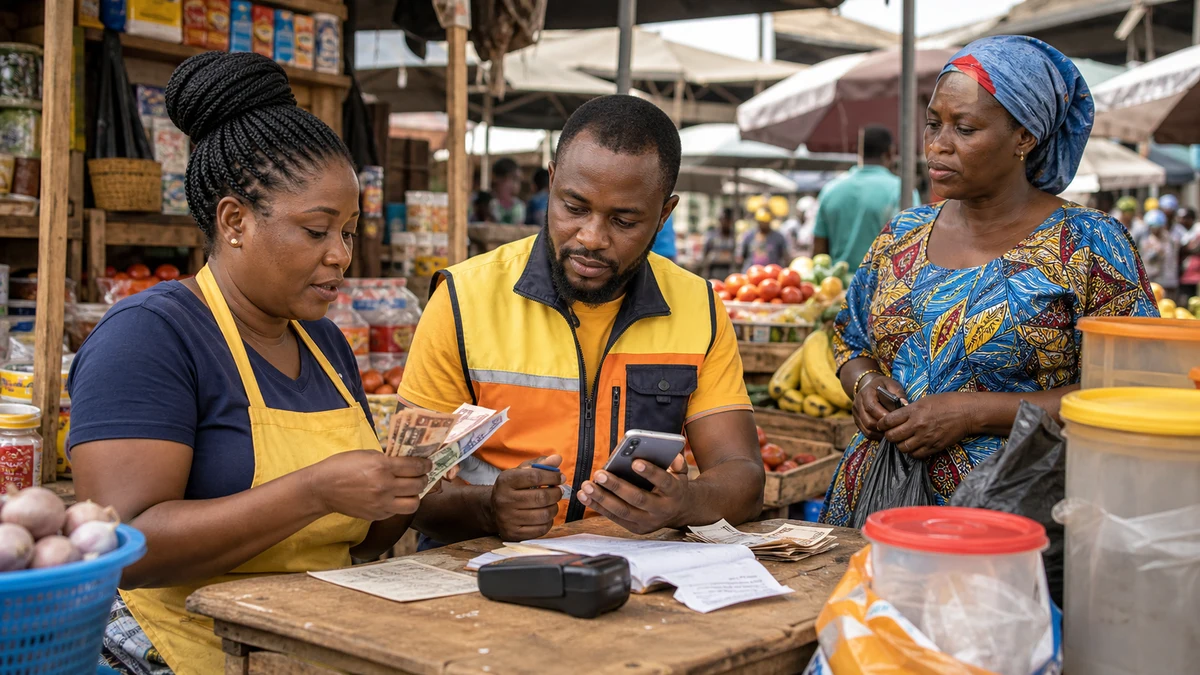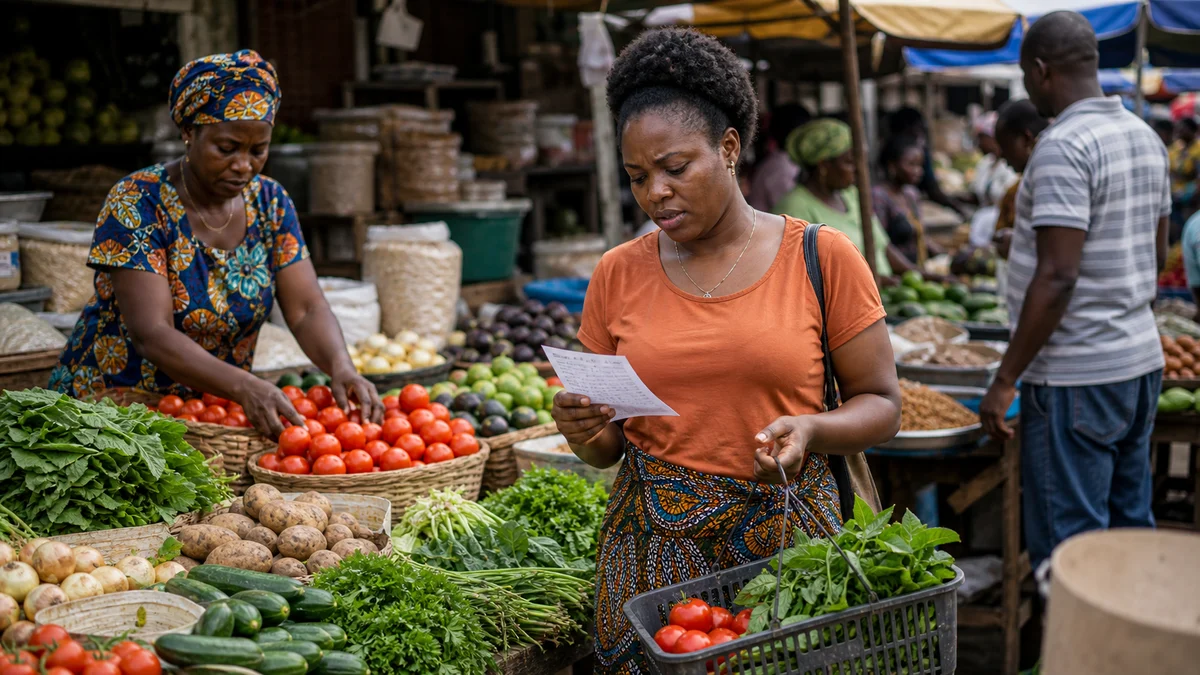
Food price pressure is not only an economic chart. It appears in market conversations, shorter shopping lists, smaller portions and parents deciding which purchase can wait. When staple foods rise, families may still buy food, but they often buy less variety and carry more stress.
The hardest part is that food cannot be postponed like a phone upgrade or a new shirt. Households must eat every day, so even a small rise in grain, oil, vegetables, transport or cooking fuel can change the budget. A family may protect children first and quietly reduce what adults eat.
Price pressure also changes nutrition. Cheaper calories may replace more balanced meals when money is tight. That can affect children, pregnant women, older relatives and people managing illness. A food bill is therefore connected to health, school performance and family wellbeing.
Businesses feel the same pressure from another direction. Small restaurants, food sellers and market traders face higher input costs but may be afraid to raise prices because customers are already stretched. Their profit becomes thinner, and a busy day may still bring less real income.
Policy responses need to be precise. Temporary support, better storage, transport improvements, market information and protection for vulnerable families can help more than slogans. Blaming traders or consumers rarely explains the full chain from farm to plate.
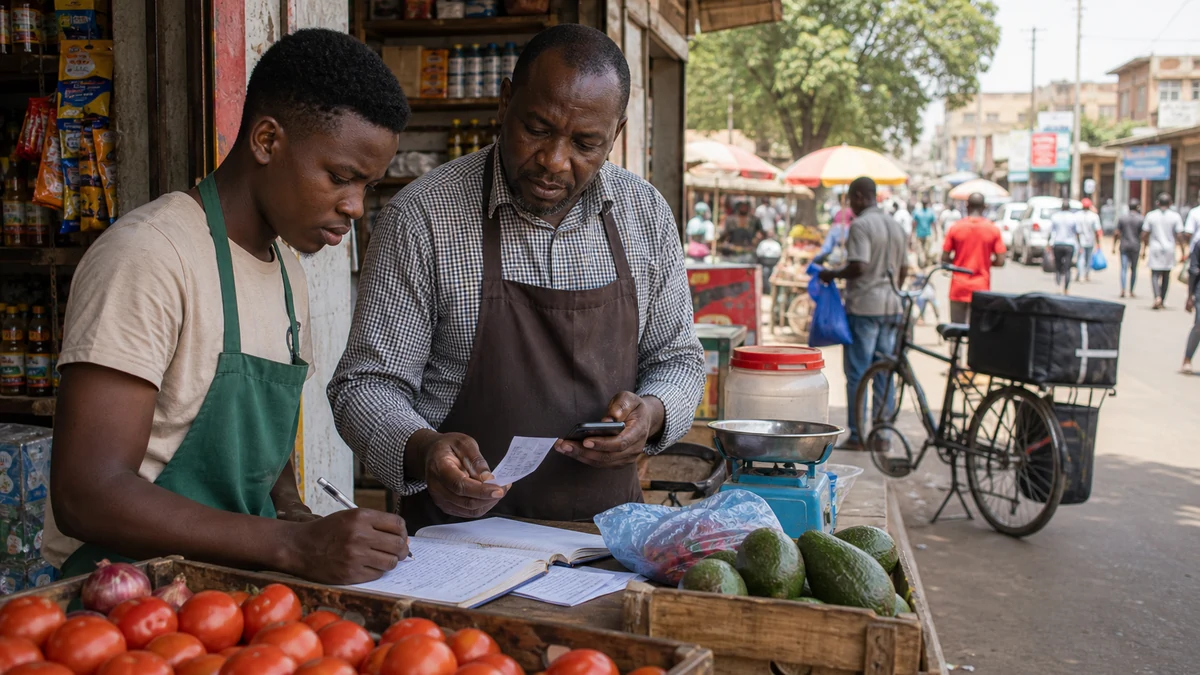
For readers, the useful habit is to track the prices of regular items and plan around real household data. Rumors can create panic, but clear budgeting helps families see what changed and where adjustment is possible. Food inflation is national news because it enters every kitchen. When families record prices over time, they can separate one expensive market day from a lasting trend and speak more clearly with sellers, relatives and local leaders. That record can also show which substitutions helped without weakening meals too much.