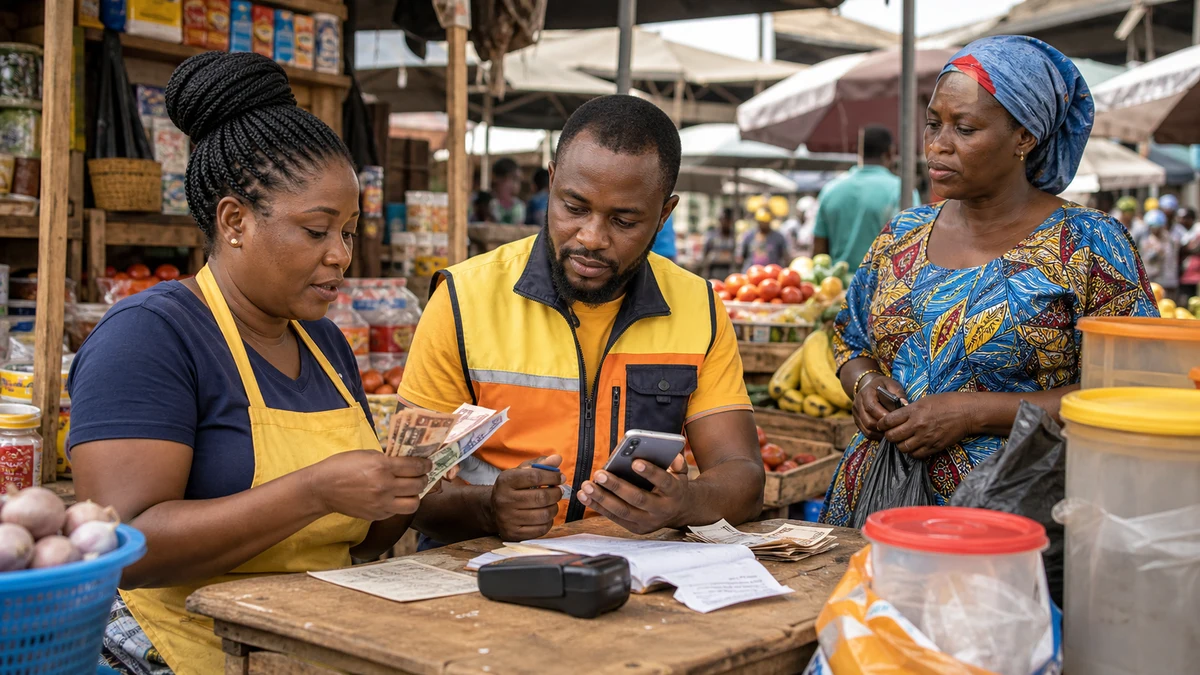
Food price pressure enters the kitchen before it appears on a chart. When rice, maize, oil, fish, tomatoes or cooking gas become more expensive, a family changes the menu, quantity and timing. A parent may still say the household is buying the same food, but the portion, protein or fruit may have fallen. The numbers become personal.
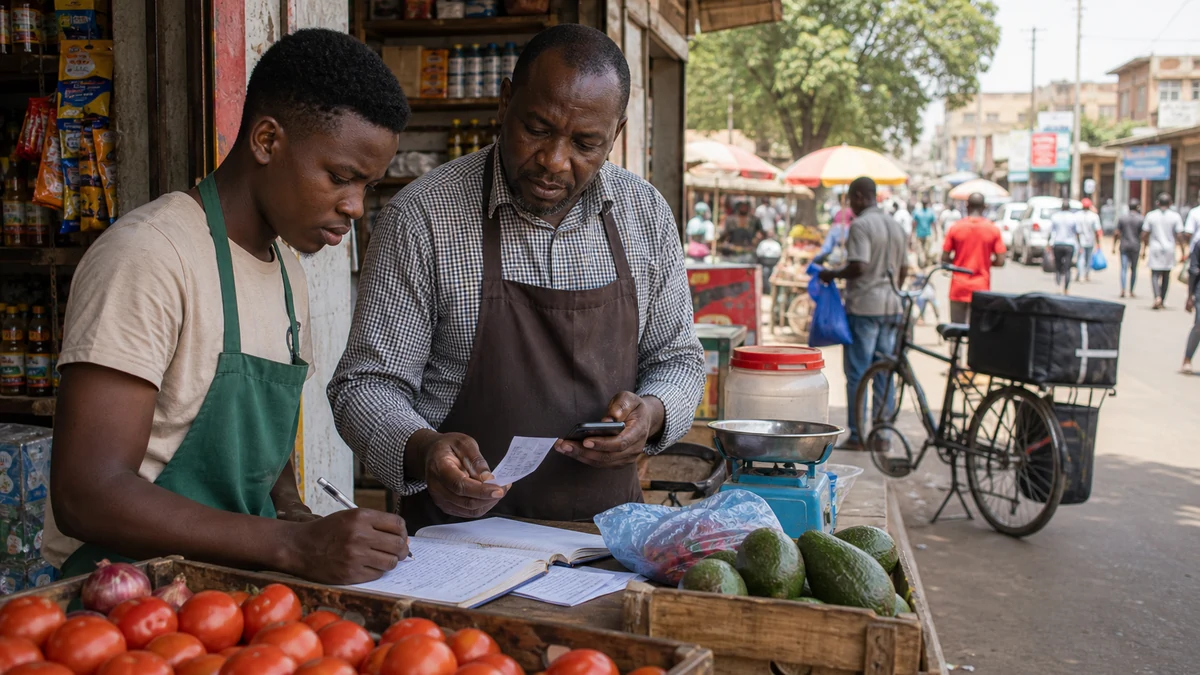
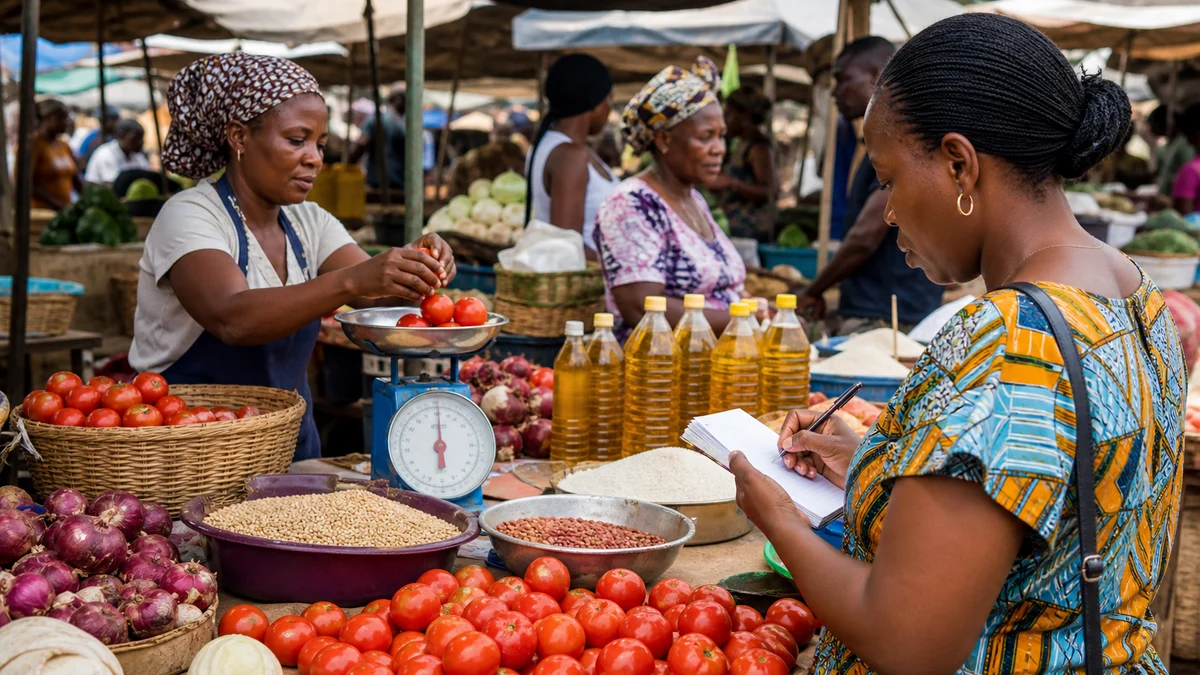
Households can create a small food price watch. Choose the items bought most often, then write the price, market name and date. If that is done weekly or every two weeks, the family can see whether a change is temporary or a trend. One expensive market day is not the same as a month of pressure.
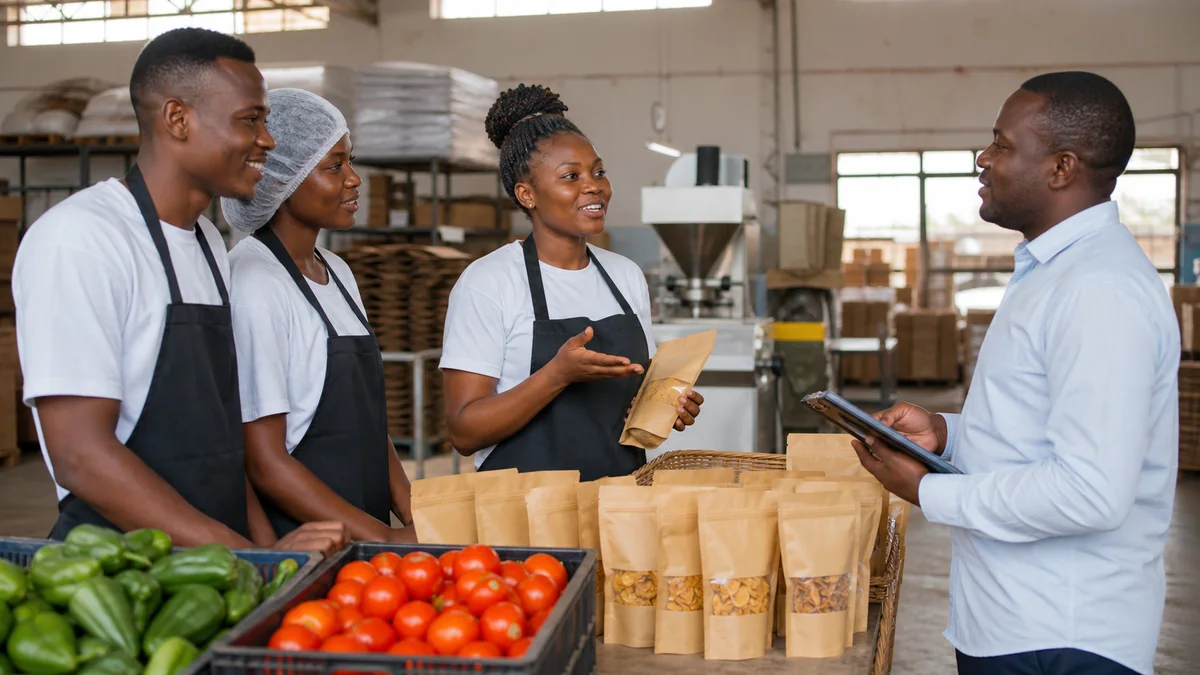
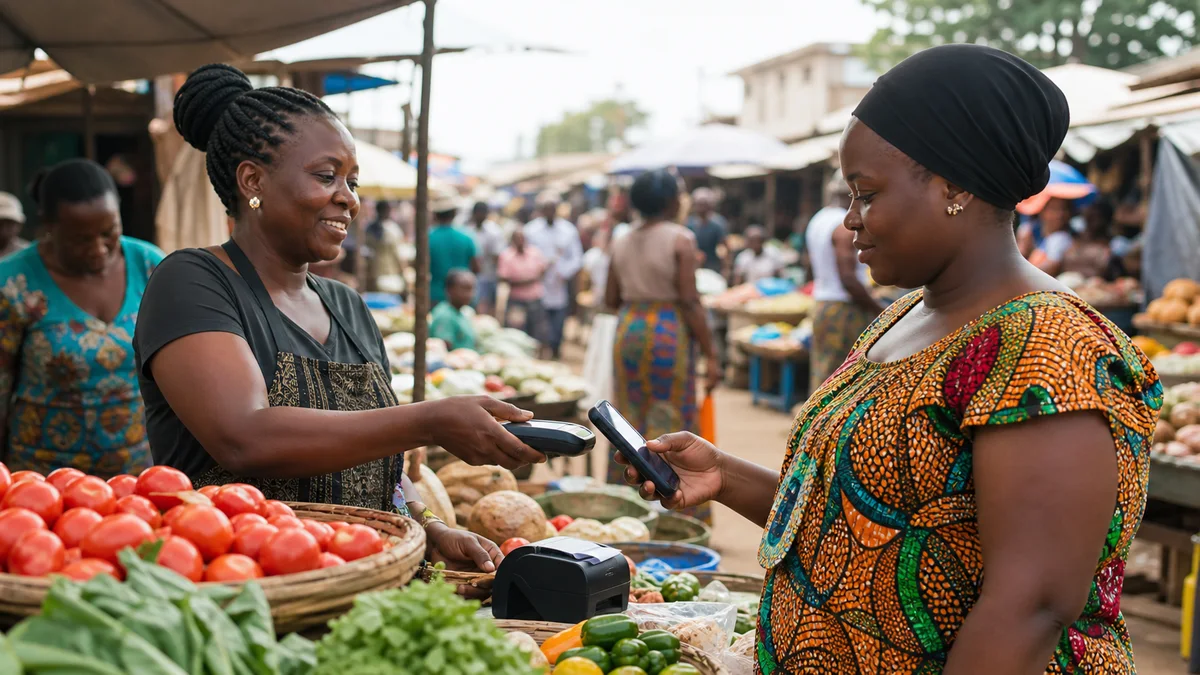
Transport and fuel costs should be included in the story. The price of tomatoes may be stable at the farm gate, but transport, storage or fuel can make the final market price harder. A small trader is also under pressure. She does not want customers to leave, but she cannot sell below cost every day.
Nutrition decisions are difficult when the budget is tight. Cheaper calories can replace a balanced meal. Children, pregnant women, older relatives and people living with illness may feel the effect. Food inflation is therefore not only a business story. It is also a health and school story.
Community groups can help through careful information sharing. If market women, buyers and local leaders compare prices without blaming one another, they can see where pressure is coming from. Rumor can cause panic buying, but records make conversation practical.
The practical rule is to watch the full basket, not one item alone. If oil rises but grain falls, the budget picture is different. A food price watch helps households plan, ask better questions and protect meals as much as possible during pressure.
That record can help families speak with sellers more clearly. Instead of saying everything is expensive, a buyer can name the item that changed and the week it changed. Specific information makes bargaining and planning less emotional.