Remittances are family finance in real life. Money sent from the diaspora can pay school fees, rent, medicine, food or small business stock. But the amount a sender sees inside an app is not always the amount the receiver brings home. Fees, exchange-rate margins and cash-out costs can reduce the value.
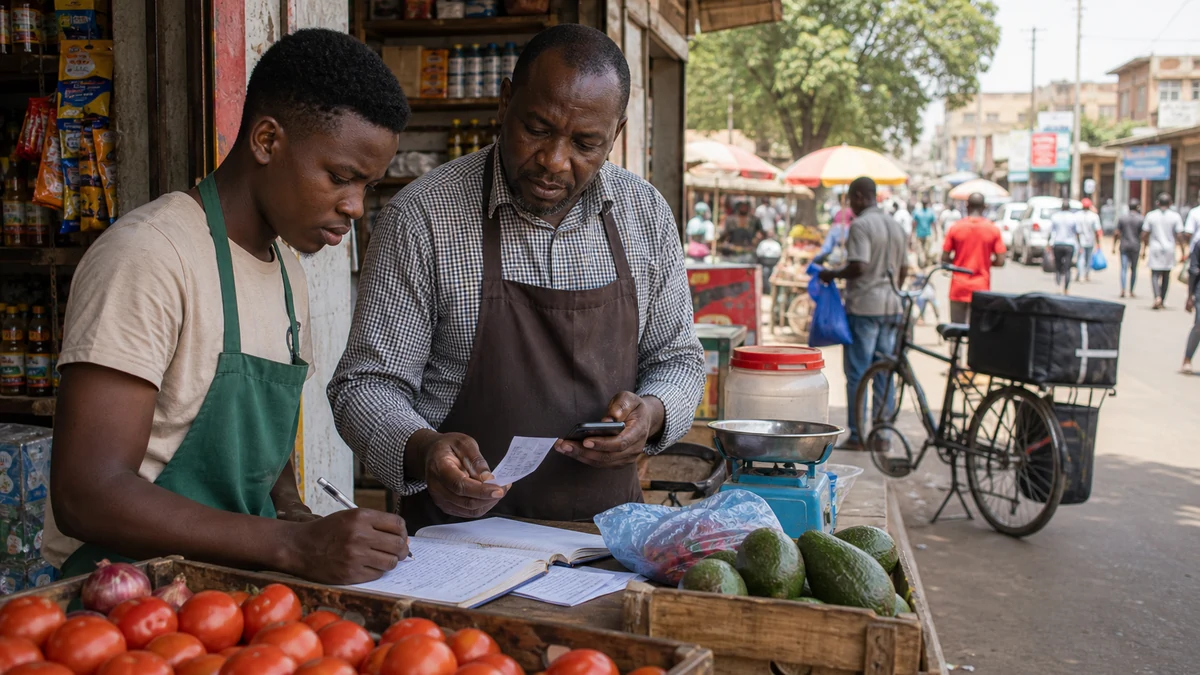
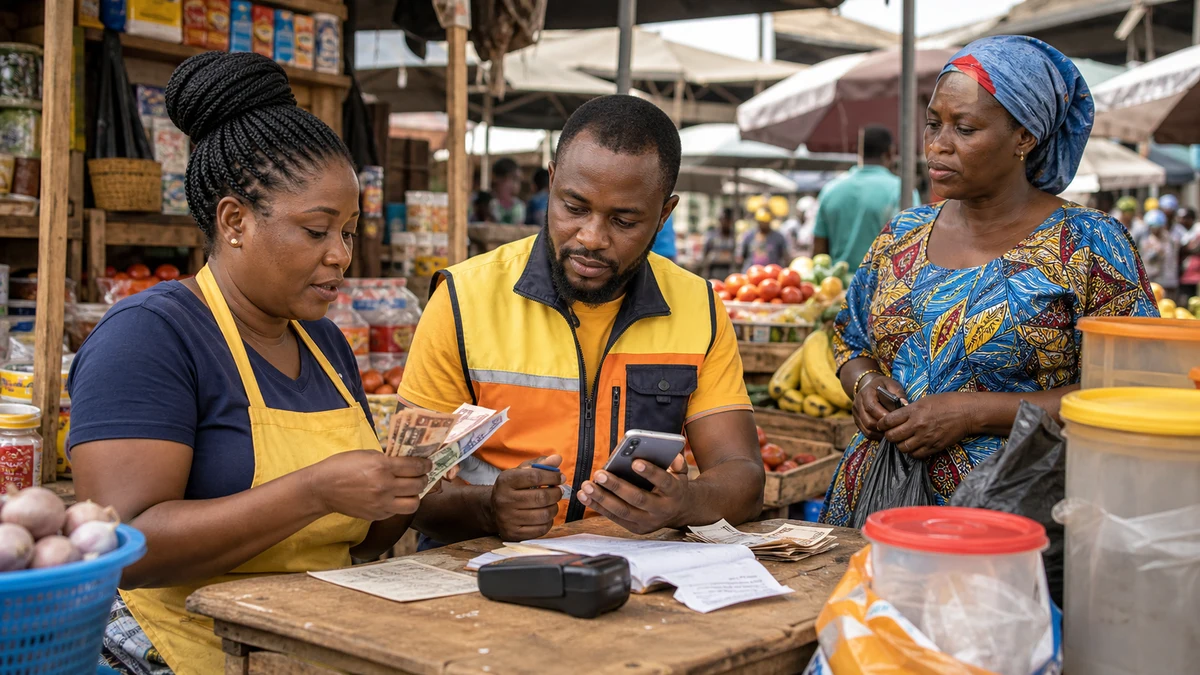
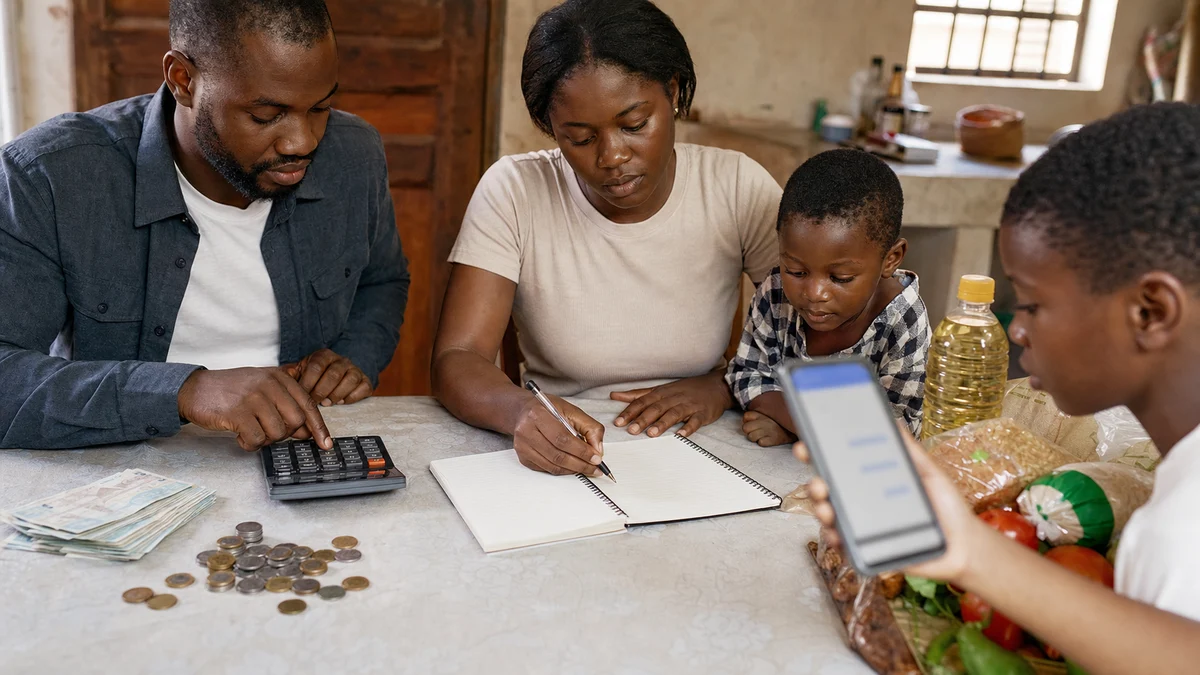
Families can help themselves with simple records. If the sender and receiver note the date, provider, amount sent, exchange rate, fee and amount received, they can see a pattern. One provider may look cheap on the fee but offer a weak exchange rate. Another may charge more upfront but deliver more local money.
The record also makes conversation calmer. The diaspora worker has rent and bills, while the receiver faces daily pressure. When both sides can see the numbers, blame can fall. They may decide that one monthly transfer is better than several small transfers, or that emergency money needs a different provider.
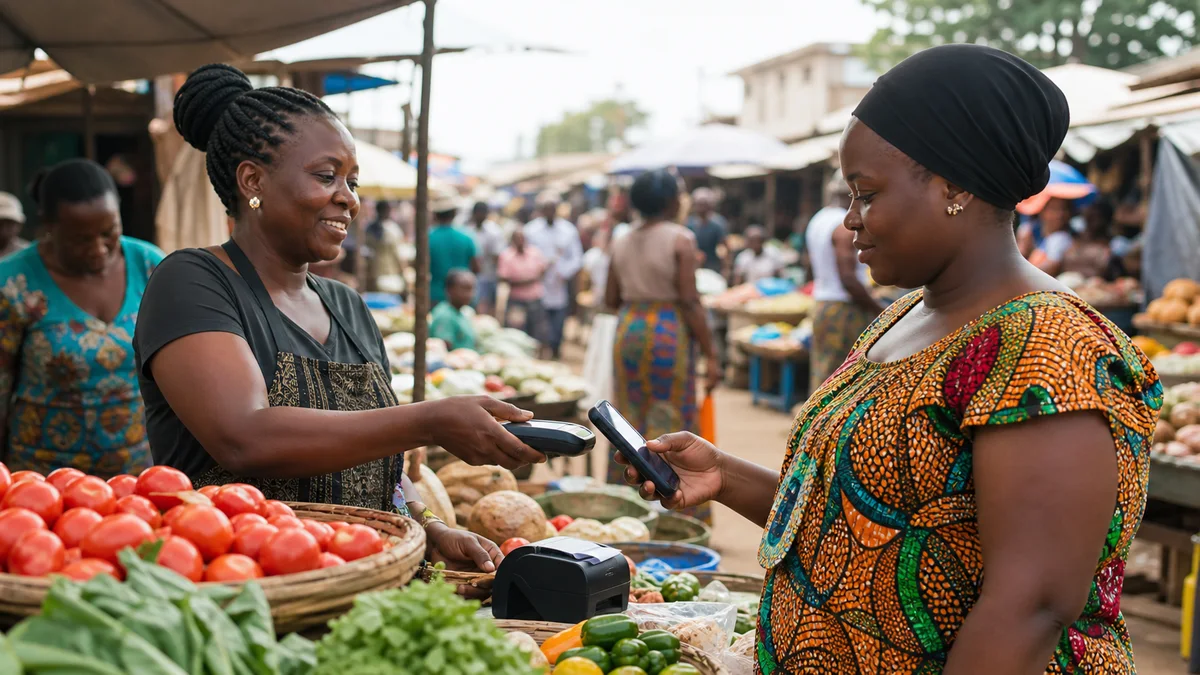
Digital channels can be useful, but fraud risk remains. A wrong number, fake agent or rushed request can destroy money a family has been waiting for. The receiver should confirm names before cash-out, and the sender should use official apps and customer support. Trust is part of the budget.
Policy makers also have a role. Transparent pricing, competition and consumer education can lower remittance costs. When the market helps users compare the final amount received, families gain power. Remittances are not only a national statistic. They are food, transport and school decisions inside a home.
The practical rule is that families should not look only at the displayed fee. They should look at the final amount received after all charges. After a few months of records, a household can see which provider is reliable, when rates are better and which cost should be planned before money arrives.
Once a household keeps records, it can also see seasonal pressure. School reopening, holidays, funerals, medical emergencies or rent months may raise transfer needs. Planning ahead can reduce expensive last-minute transfers.