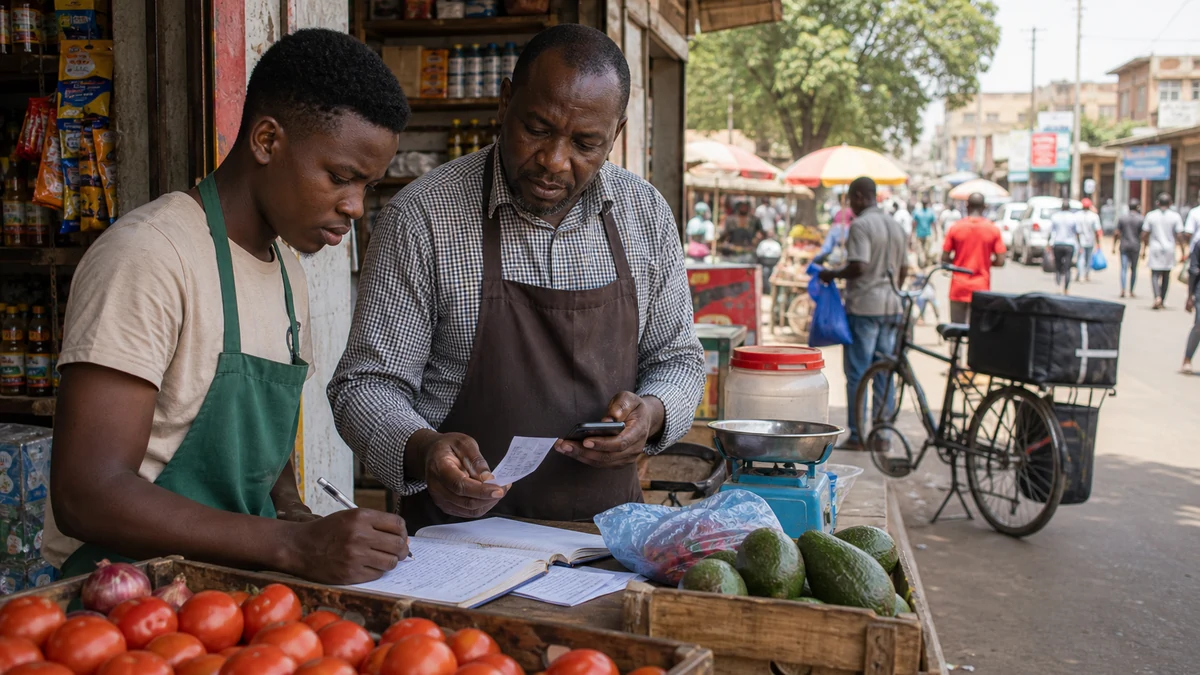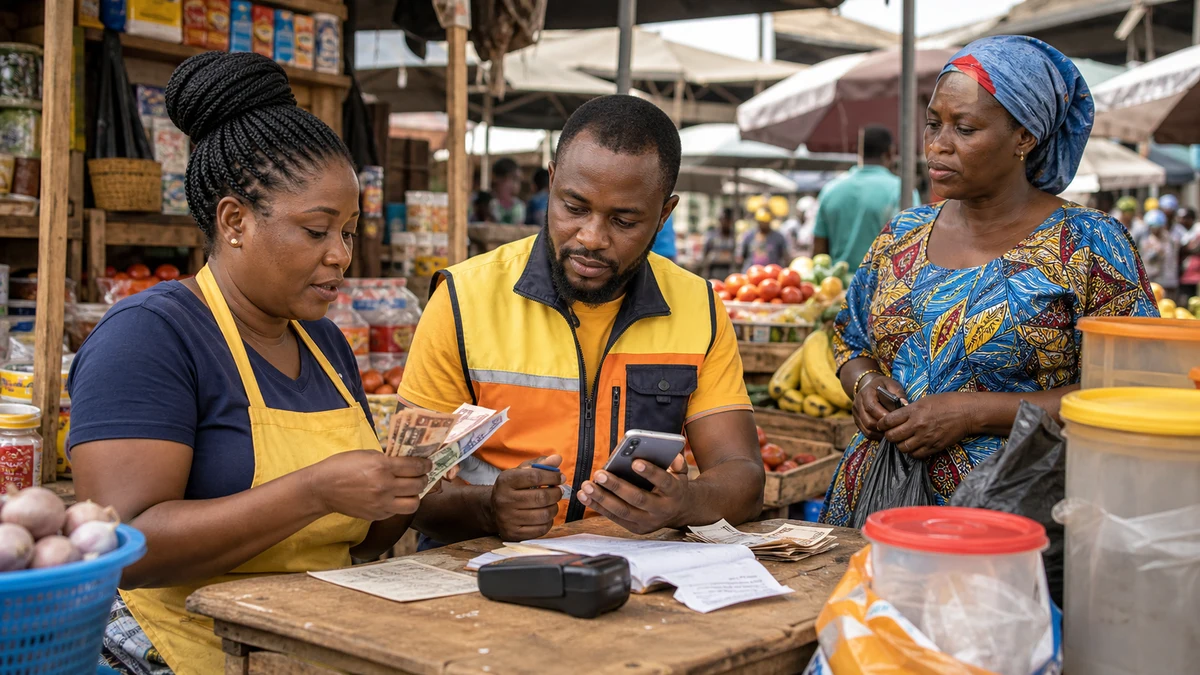
Remittances are often described in national numbers, but families experience them as school fees, rent, medicine, transport and food. A transfer from a brother, daughter or parent abroad can decide whether a household gets through the month. That is why the cost of sending money matters.
A fee that looks small on a single transfer can become heavy when it is repeated many times. Exchange-rate margins, cash-out fees and unclear charges can reduce the amount that reaches the person who needs it. For low-income households, the lost amount may be the difference between paying one bill now or postponing it.
The sender also carries pressure. Diaspora workers often support relatives while managing rent, taxes and living costs in their host country. When transfer fees rise or exchange rates move sharply, family conversations can become tense because both sides feel the same squeeze from different places.
Competition can help, but only when users can compare services clearly. People need to know the full cost, not only the advertised fee. A provider may show a low fee but offer a weaker exchange rate. Another may cost more upfront but deliver more local currency to the receiver.
Governments and regulators can support families by improving transparency, encouraging safe digital channels and protecting users from fraud. The goal is not to force everyone into one service. It is to make sure families can choose with real information.
For readers, the practical step is to compare the final amount received, not only the fee shown at the start. Remittances are personal acts of care, but they are also part of household finance. Every hidden cost matters when the money is already planned before it arrives. Families can also keep simple transfer records so they understand which provider is reliable across several months, not only on one good day.