The African Development Bank's 2026 African Economic Outlook projects Africa's growth at 4.2 percent in 2026, while the World Bank puts Sub-Saharan Africa at 4.1 percent. Those figures are encouraging in a difficult global economy, but readers should not stop at the headline percentage. The better question is how growth reaches jobs, wages, prices and household budgets.
The World Bank warns that debt service and global shocks continue to limit room for governments to spend. It says the ratio of external public debt service to revenue has doubled over recent years, while public capital investment remains below its 2014 level. When more public money goes to debt, less is available for schools, health, power and roads.
That is why jobs sit at the center of the story. World Bank analysis says more than 620 million people are expected to enter Africa's labor force by 2050. If growth lands in sectors that employ few people or keep workers informal, young people will hear about recovery on the radio without feeling it in pay. Real growth needs firms that can scale and pay better.
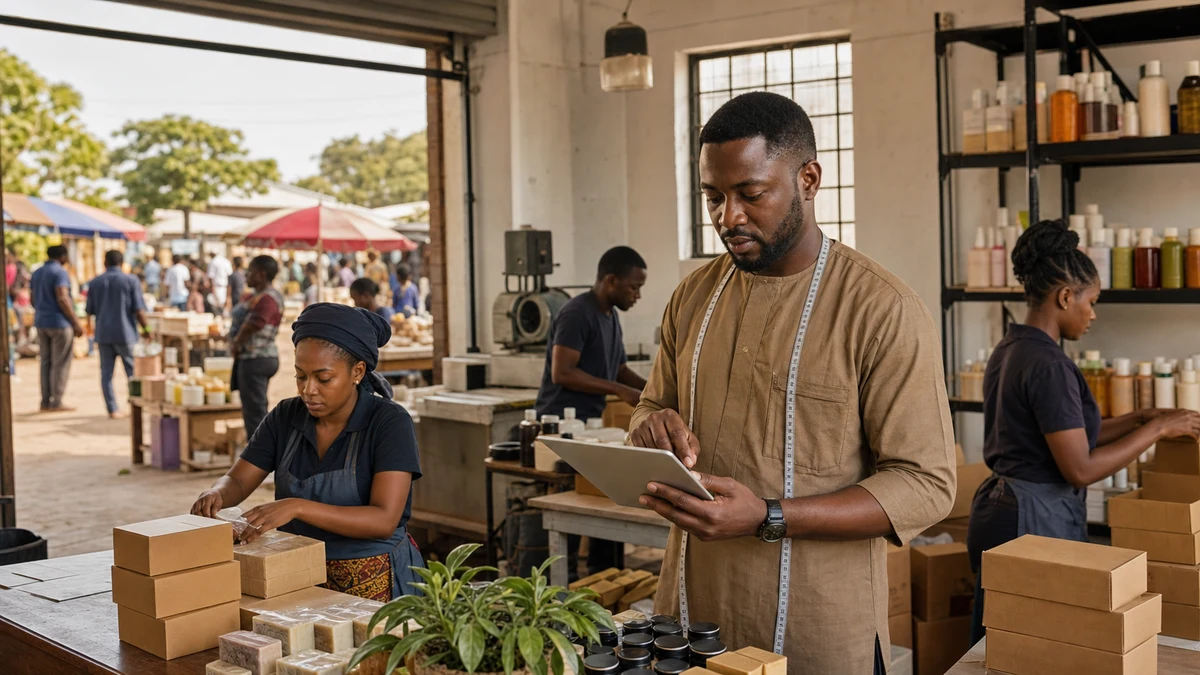
Industrial policy can either help or misfire. AfDB and World Bank materials both point toward reforms, regional integration, infrastructure, skills and private investment. If policy simply protects favored firms, it wastes money. If it uses clear benchmarks, exit rules, finance, power and training around promising sectors, it can help businesses become larger and more productive.
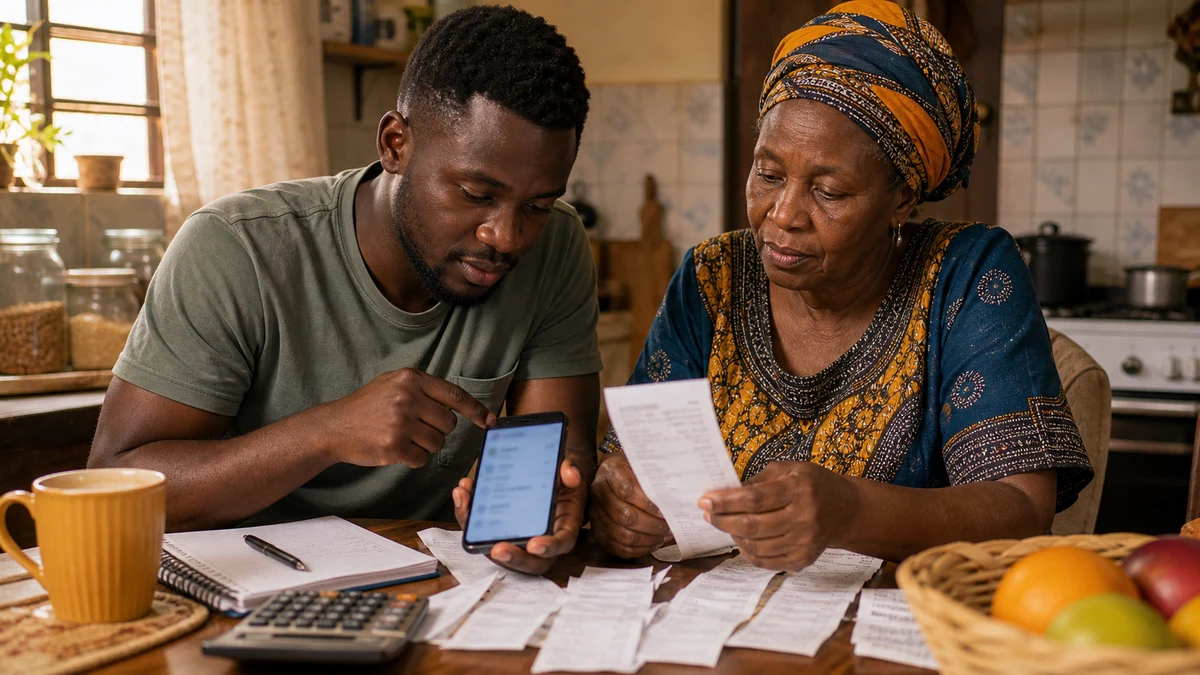
Readers can use a small dashboard when they hear economic announcements. Growth alone is not enough. Look at inflation, job creation, debt payments, electricity reliability, imports, exports and credit for small firms. If those signals do not move together, headline growth may be true in a report while still feeling weak in a market or at home.
The interesting African business story in 2026 is resilience under pressure. But resilience has to become work, investment and stronger regional trade. Anyone trying to understand growth should watch the details that turn national numbers into wages and prices. That is where the economy becomes real.