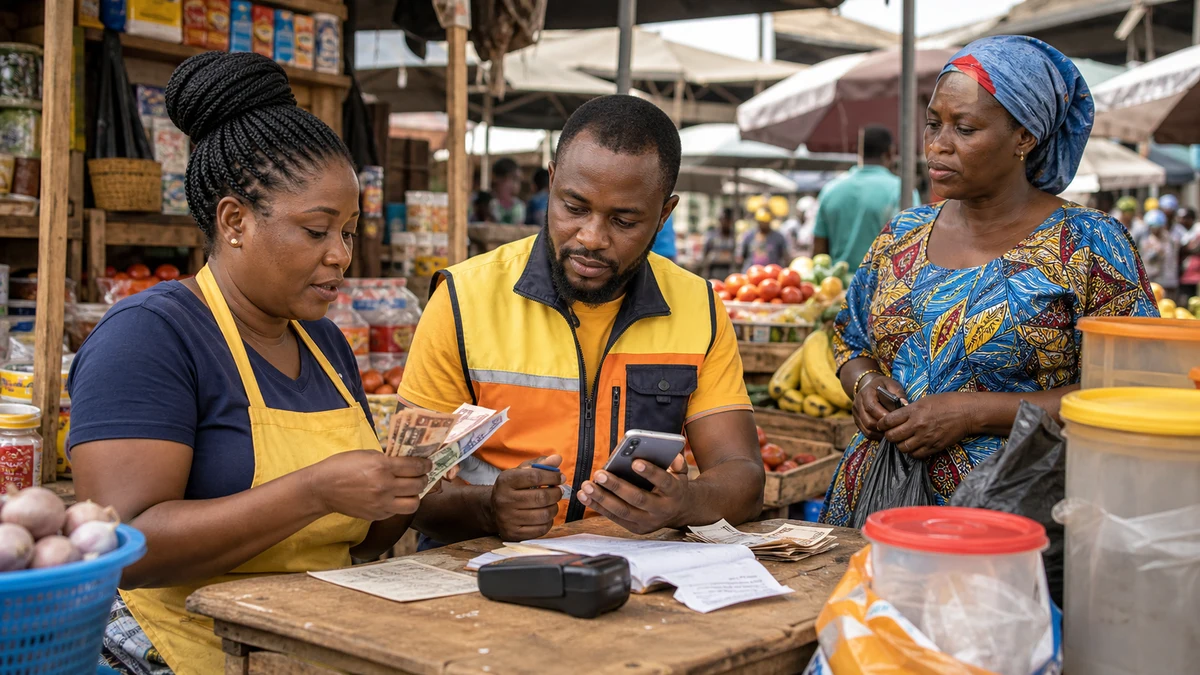
Mobile money has become part of everyday trade in many markets, but small traders know that the system works only when agents have enough liquidity. If a customer pays digitally and the trader cannot cash out or restock when needed, business slows. Cash availability is the backbone of trust.
Fee clarity matters just as much. Many traders work on thin margins, so small charges can quietly reduce profit. When agents show the fee before the transaction, explain the final amount and provide a receipt trail, disputes become easier to manage.
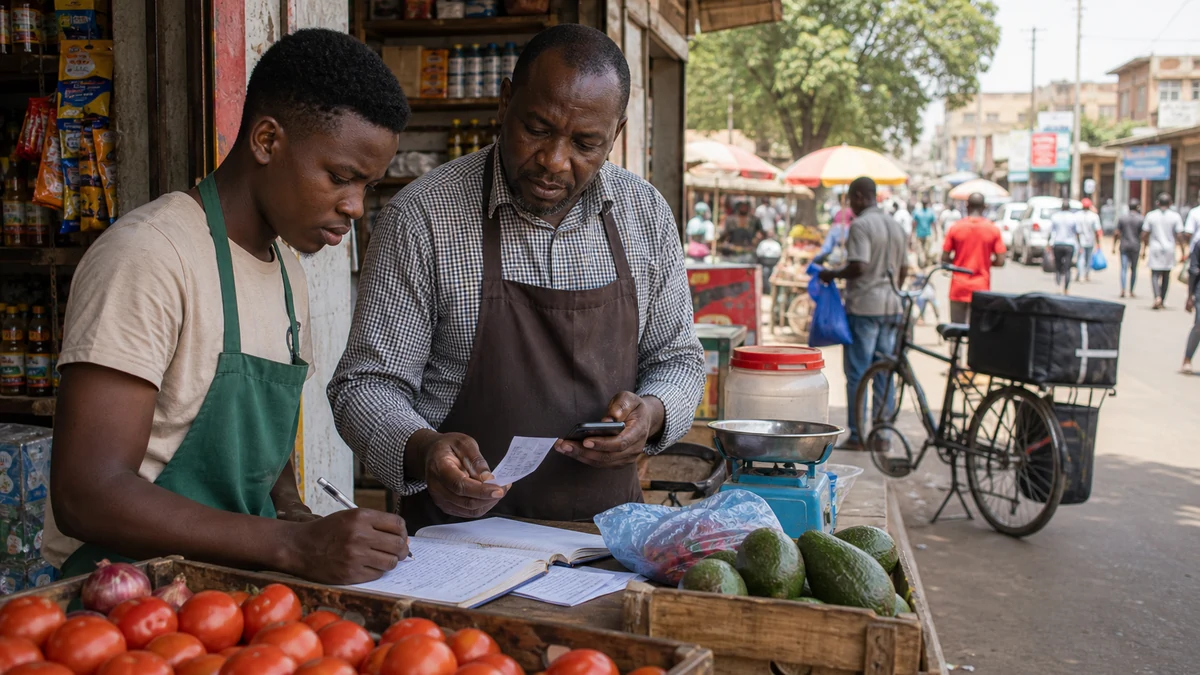
Problems often begin when money appears to move but the receipt record is unclear. Traders need the customer name, time, reference number, amount and agent identity before anyone walks away. Recording those details early makes follow-up possible and keeps a small problem from becoming a market argument.
Local agents understand the rhythm of their market: morning stock purchases, midday customer peaks and evening settlement. When they prepare enough cash and electronic balance for those periods, they support the whole trading area. Mobile money is not just an app. It is local infrastructure.
Traders can reduce their own risk by splitting large transfers, saving receipts, confirming names and numbers before approval and keeping a backup payment option. Relying on one channel for every sale becomes dangerous when the network slows or an agent runs out of float. A second option may be slower, but it can keep the trader from closing the stall when one provider or agent is temporarily unavailable.
Mobile money will keep helping small businesses if trust remains practical. That trust comes from available cash, visible fees, good records and fast escalation. When those pieces are in place, traders can focus on selling instead of chasing missing money. It also gives customers a reason to return to the same trader because payment feels predictable.