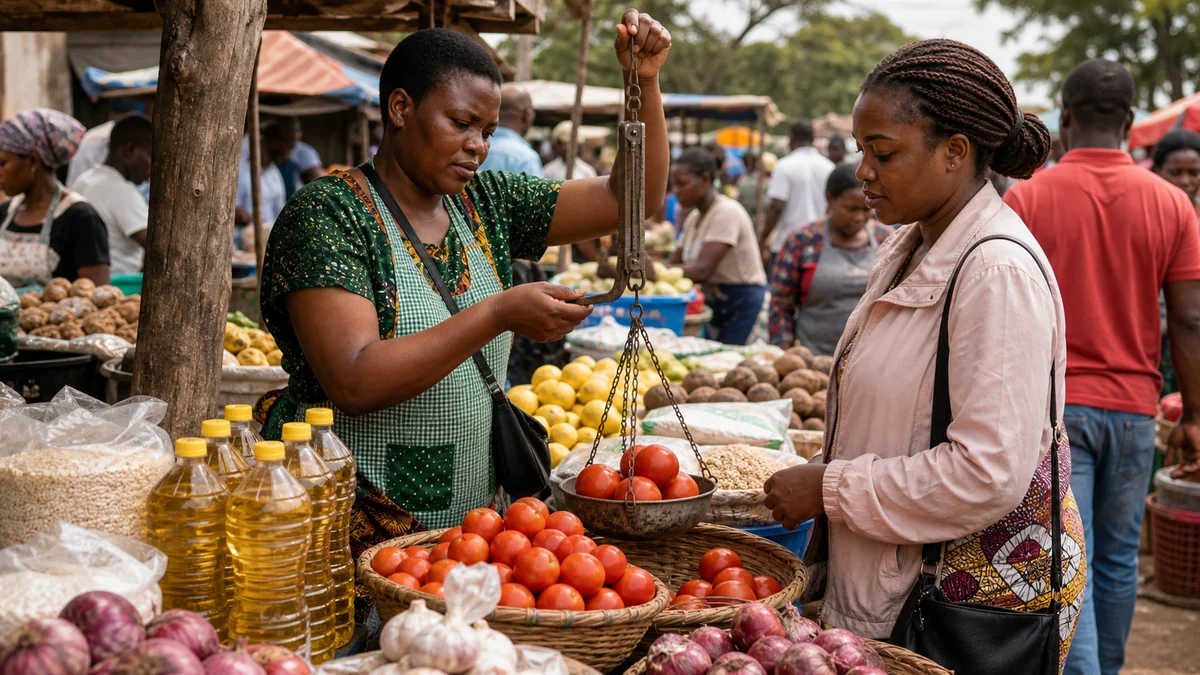
A food price index is useful, but a household budget cannot live on a global number alone. Even if an international grain price falls, a local market price can rise because transport costs, fuel, currency, storage and weather are different.
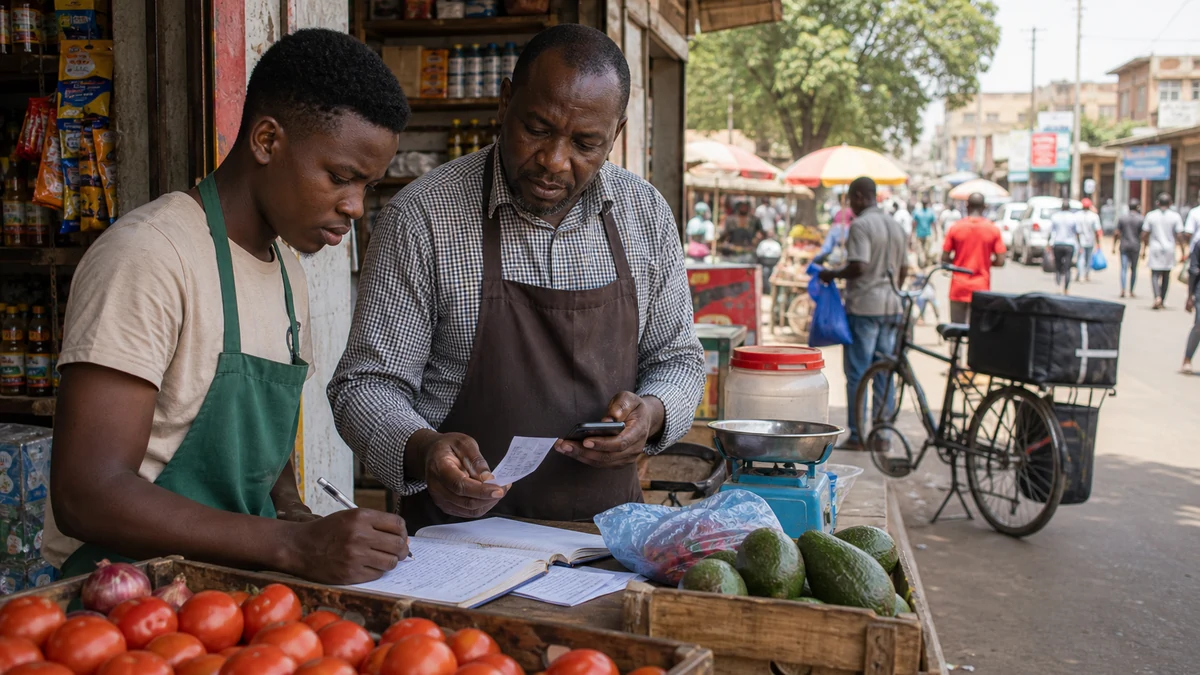
Families watch a basket, not a chart. Rice, maize, oil, tomatoes, fish and school snacks can change price within a few weeks. If one item falls and another rises, the index may suggest calm while the family still feels pressure.
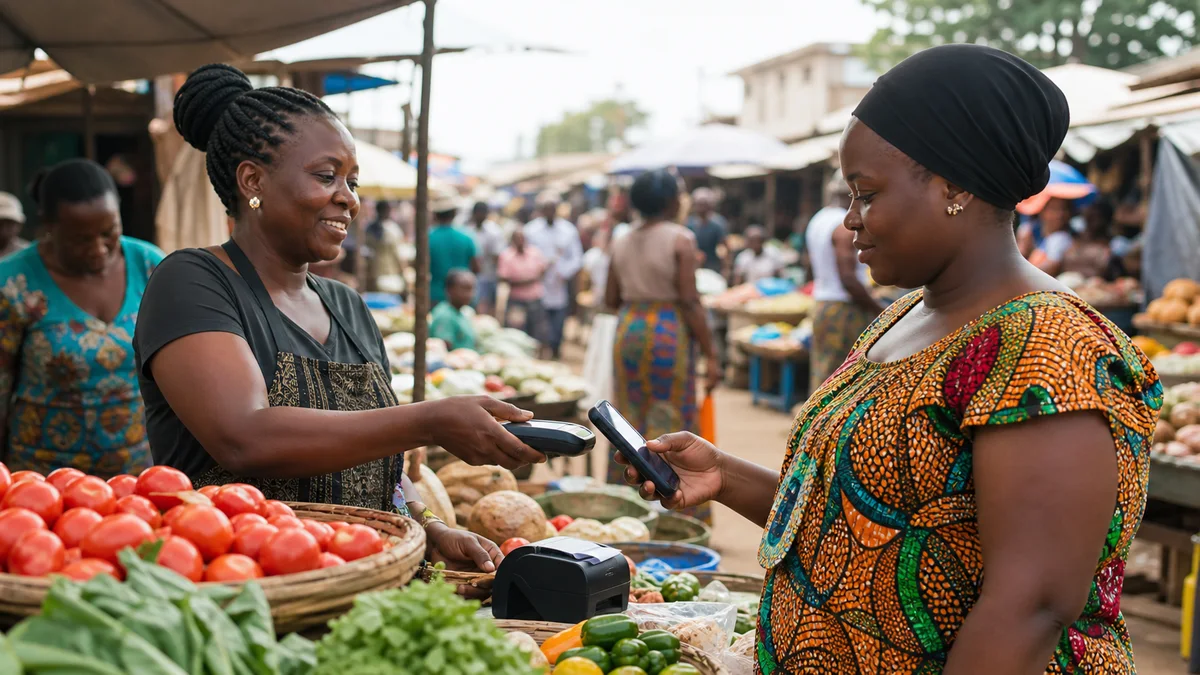
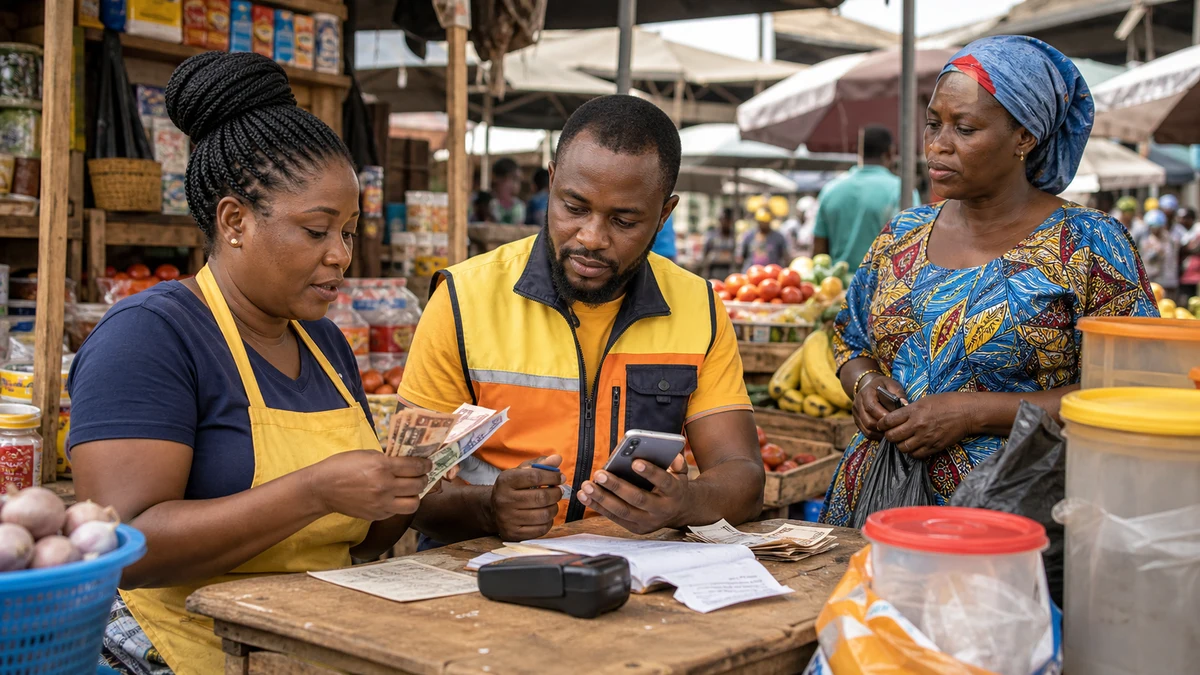
Traders also manage risk. A market seller buying from a wholesaler watches road conditions, electricity for cold storage, loan costs and demand. When uncertainty is high, the seller may price defensively. That price reaches the household before macro reports explain it.
Regional trade can help when borders, standards and payments work more smoothly. Food that moves faster across nearby markets can reduce shortages. But policy is not enough; roads, warehouses and trust between traders matter too.
Consumers need practical information. Seasonal substitutes, bulk buying where safe, community price sharing and reducing waste can reduce pressure. But advice cannot replace income. Food affordability is still a wage, transport and currency issue.
Business coverage should connect both levels: global data and the local basket. If an article mentions only the index, readers may not recognize their experience. If it includes market reality, the food inflation story becomes useful for family decisions.
Local reporting can help by checking the same basket in the same market every week. It is not a perfect scientific survey, but it shows readers a trend that touches their plate. When trader explanations, transport notes and official data are added, the food story becomes more useful than a headline saying prices rose or fell.
For policy, those local notes can show where pressure starts: roads, storage, exchange rates or shortages. The response can then be targeted instead of becoming a broad promise.