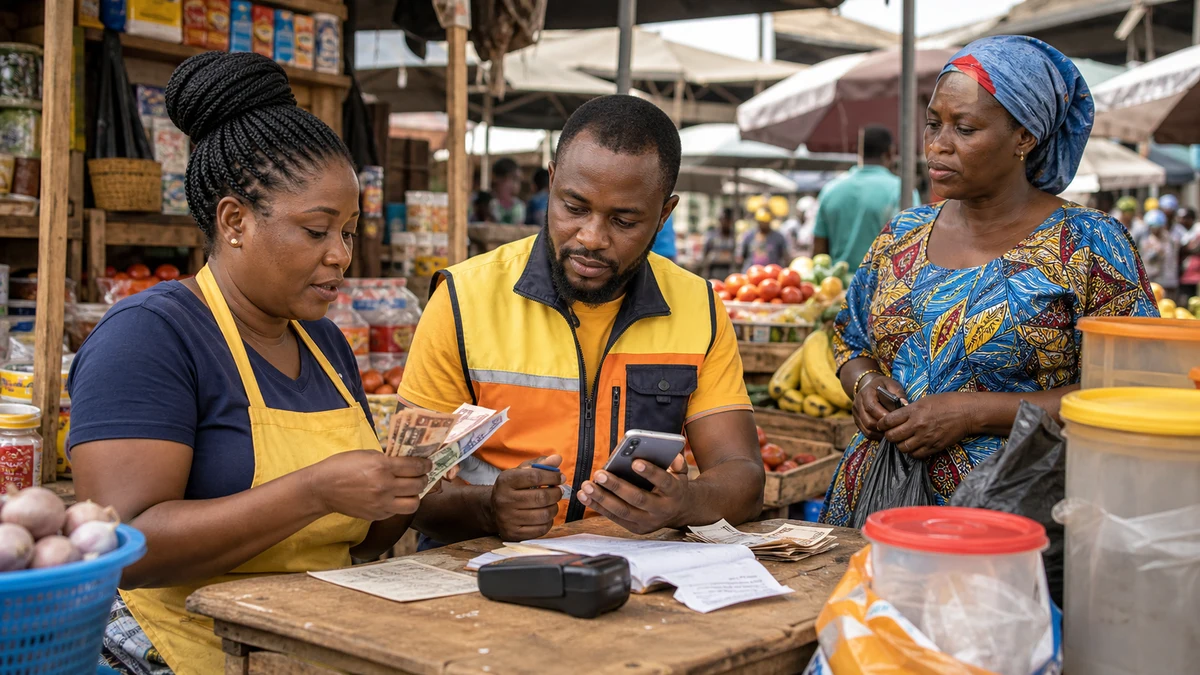
Remittances can pay school fees, medical bills, rent or the stock for a small business. But the cost of sending money is often spread across several places: the stated fee, the exchange rate, the time it takes to arrive and the effort required to collect it. Looking only at the advertised fee can hide the real cost.
A simple receipt record makes the comparison clearer. Families can write down the amount sent, the fee paid, the exchange rate used, the amount received and how long the transfer took. After a few transfers through different services, the pattern is easier to see than it is in a rushed conversation.
The best option in one city may not be the best option in another. A receiver in a large town may collect money quickly through a phone wallet, while a rural household may need a bus ride to reach an agent. That travel time is part of the cost even when it does not appear on the receipt.
Many people send money during urgent moments, and that is when mistakes become expensive. If a family has already tested two reliable channels, it is less likely to accept pressure from an unknown service or a poor exchange rate. Records also show when a once-good option has changed.
Small traders and families can use the same notes for planning. If one service takes two days, it should not be used for a bill due today. If another service costs more but arrives quickly, it may be reserved for emergencies. Knowing the difference protects the household budget.
Remittance tracking does not need to be complicated. A small notebook or shared sheet can show what was sent, what arrived and when. That evidence helps families ask better questions and choose the route that delivers the most useful value home.