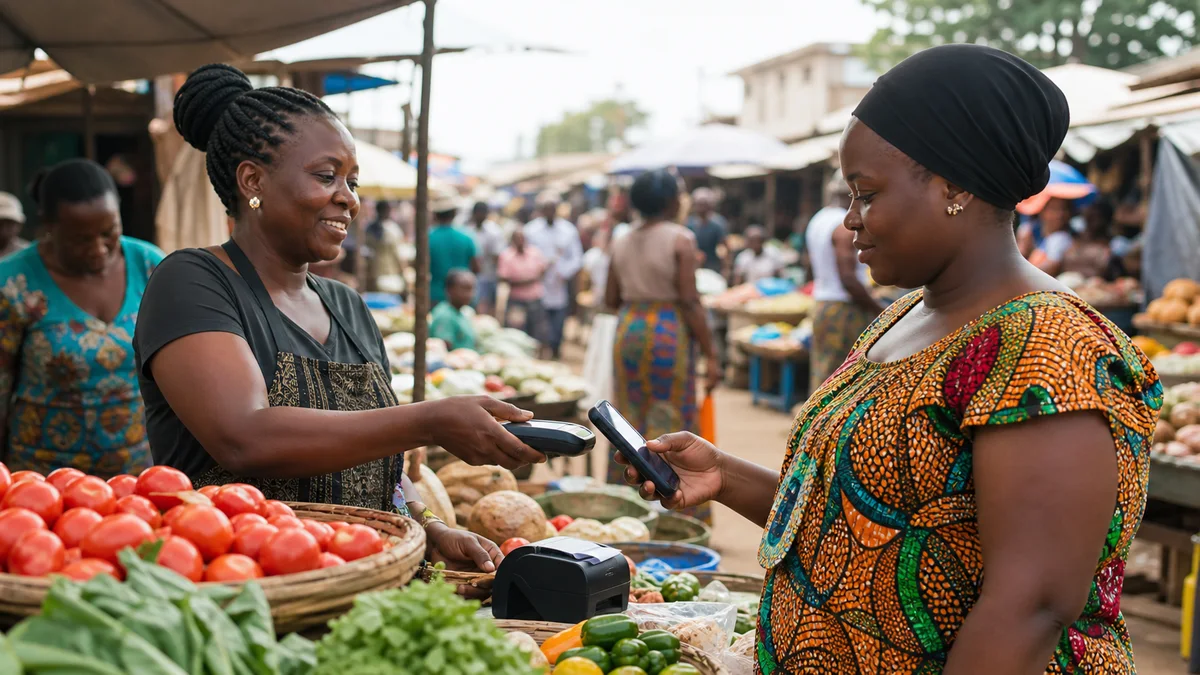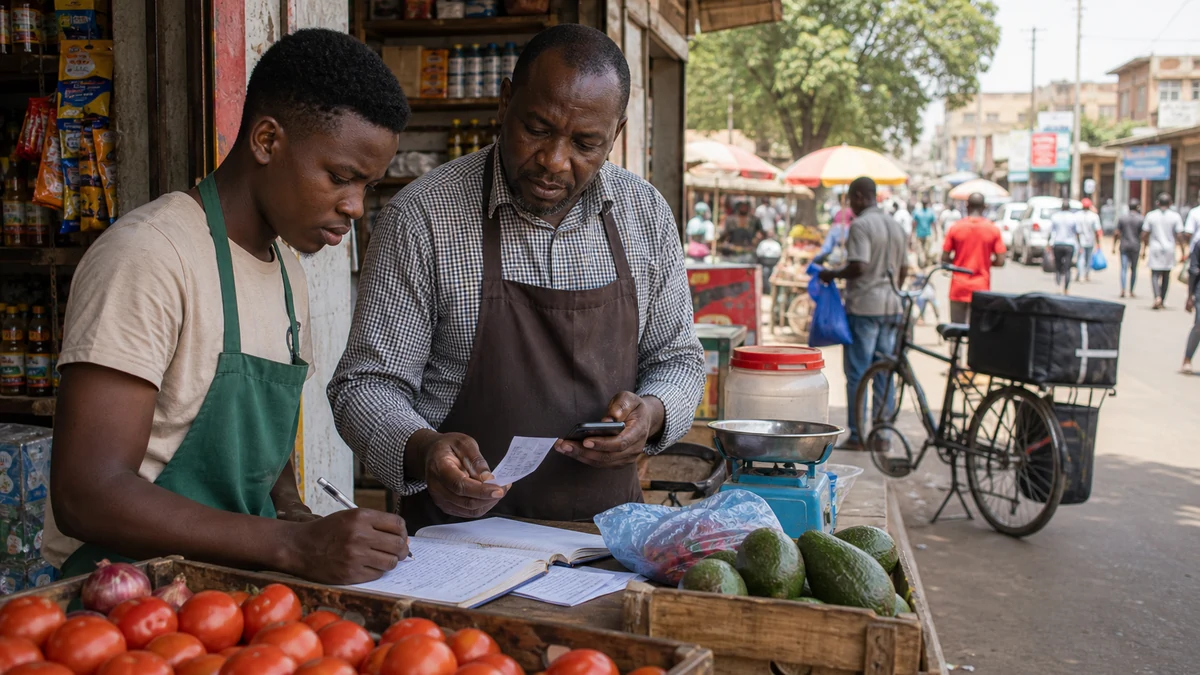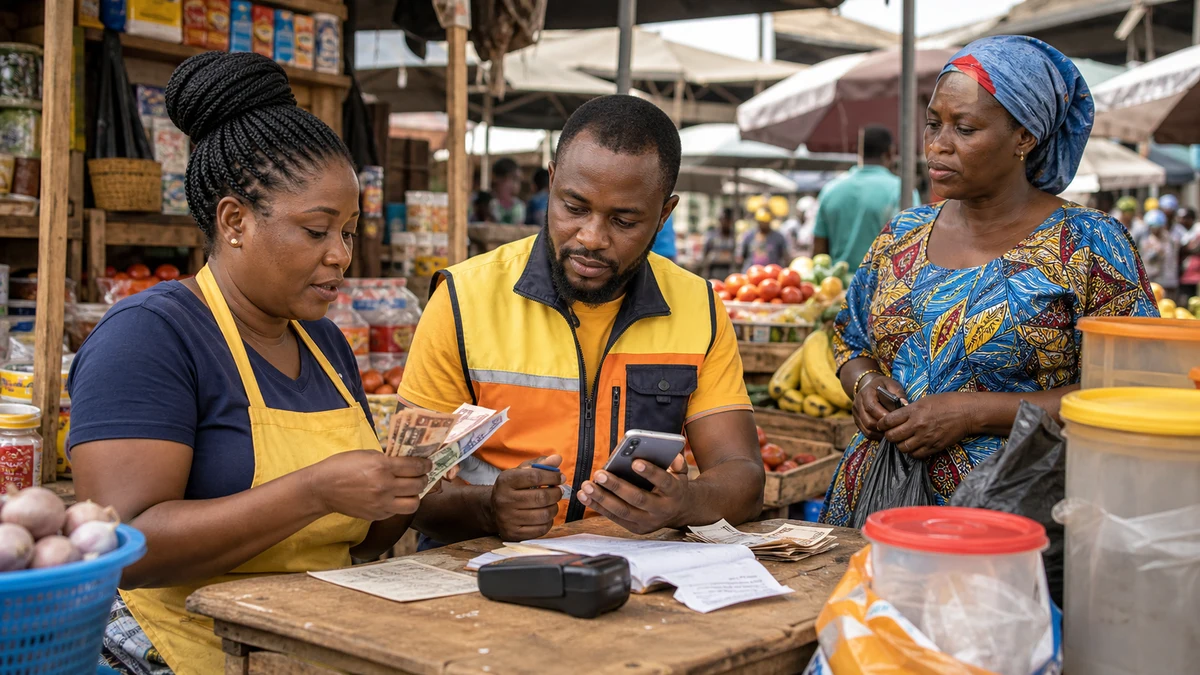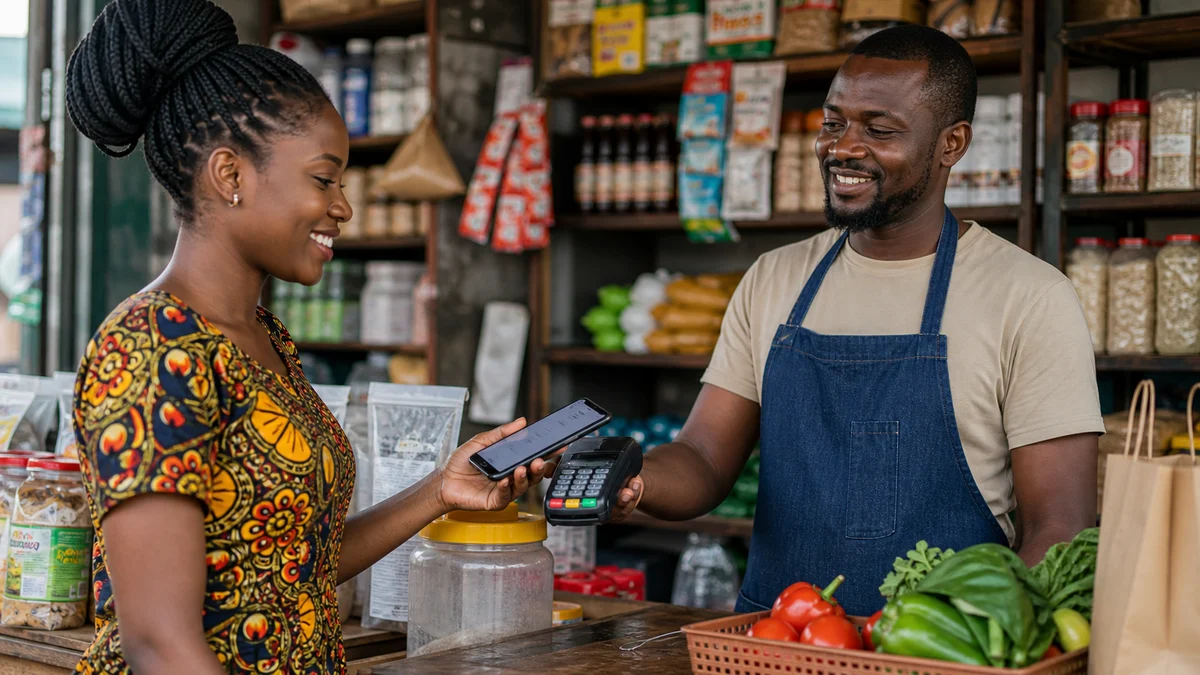
Digital payments can help small businesses sell faster, keep records and reach customers who no longer carry cash. For a market trader, salon, delivery worker or small shop, a phone-based payment can turn a missed sale into completed income. But usefulness depends on trust.
The first trust issue is reliability. If a payment fails, delays or reverses without clear explanation, the trader may prefer cash the next time. Small businesses do not have large finance teams to investigate every problem. They need systems that work during busy hours and explain errors in plain language.
The second issue is cost. A small fee may be acceptable on a large sale but painful on low-margin goods. Traders need to understand transaction charges, withdrawal costs and device requirements before they can decide whether digital payment truly helps profit.
Fraud is another barrier. Fake confirmations, social engineering, stolen phones and account takeovers can make business owners suspicious. Training should show real examples of scams, not only tell users to be careful. Trust grows when people know what danger looks like.
Digital payments also create records, which can help with credit, tax planning and stock control. That benefit is real, but it requires privacy and fair treatment. Business owners need confidence that data will not be misused or turned into sudden punishment without education.
The best digital payment system is not the flashiest one. It is the one small traders can understand, afford and recover from when something goes wrong. For African economies, payment innovation will matter most when it protects the people who handle small sales every day. Clear receipts, quick dispute channels and training in local languages can make the difference between occasional use and daily trust. When traders trust the record, they can use it for stock planning and credit conversations with lenders.