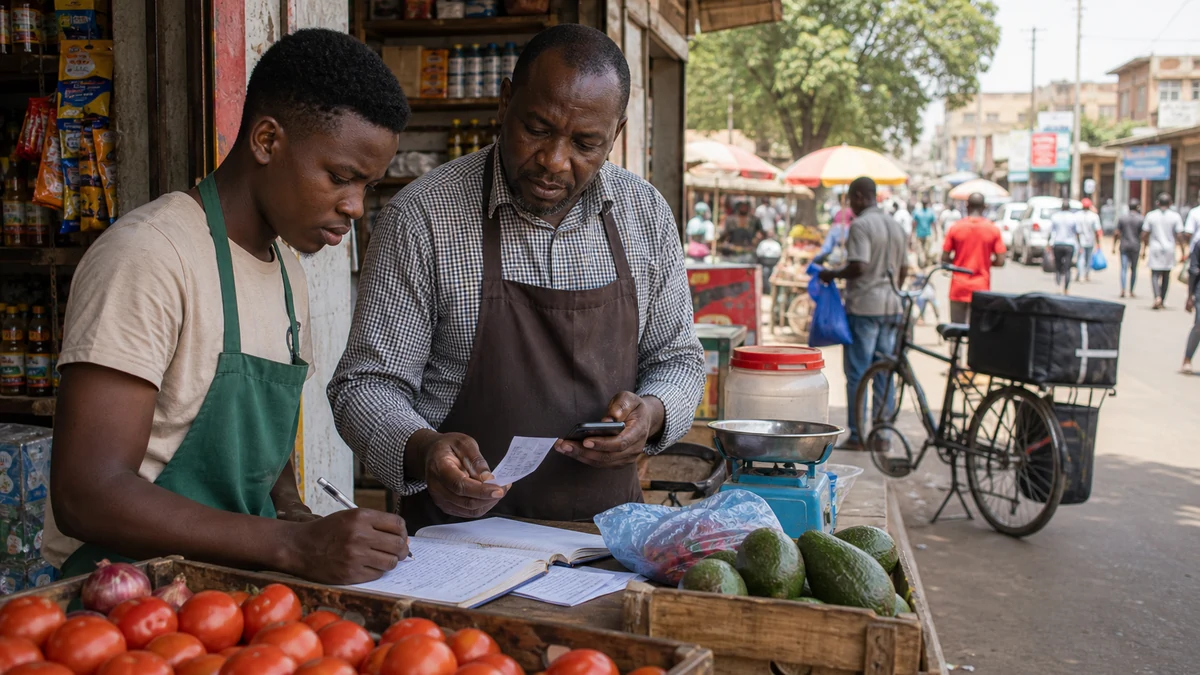
The African Development Bank says Africa’s growth remains firm despite global turbulence, and IMF and World Bank outlooks also point to continued expansion in sub-Saharan Africa. The numbers are encouraging. The household test is harder. People judge the economy through jobs, prices, public services and debt pressure.
If GDP rises but stable work does not follow, many families will not feel the progress. Readers should watch youth employment, small-business credit, food prices and transport costs. A headline number can show direction, but the market basket and the monthly wage show whether confidence is spreading.
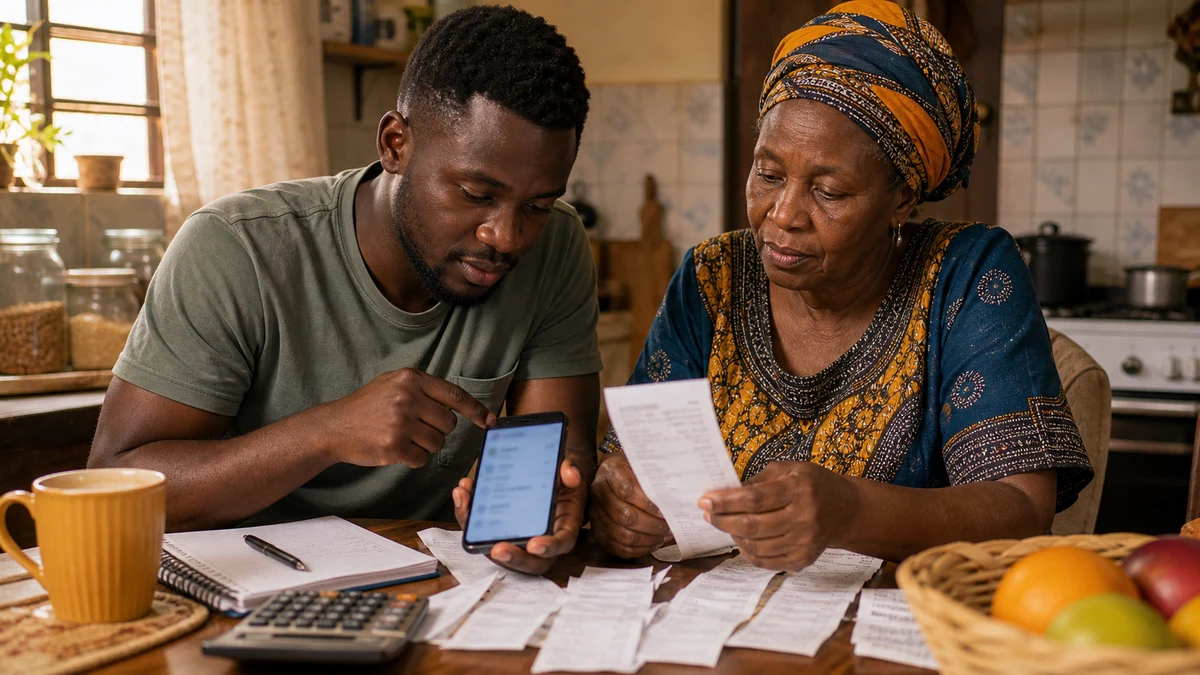
Debt enters household life indirectly. When a government spends more on interest, less money may be available for roads, schools, clinics and power. When taxes rise to close a budget gap, families may feel it through fuel, data, fees or market prices. Debt debates are not only for finance ministers.
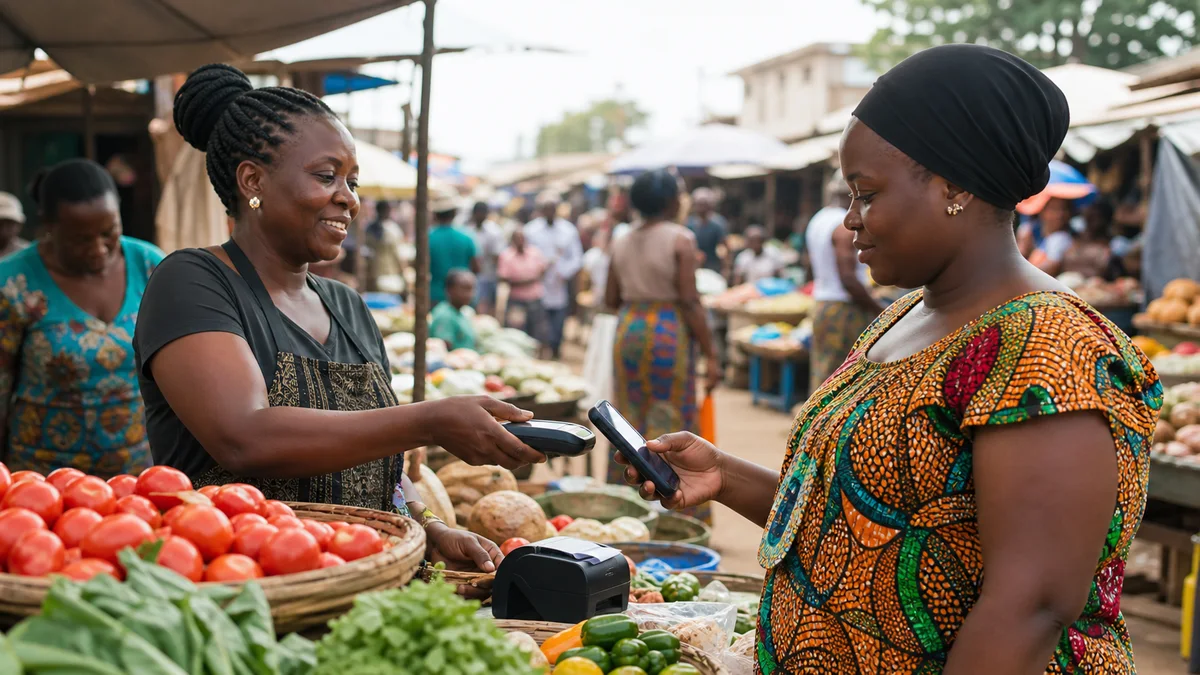
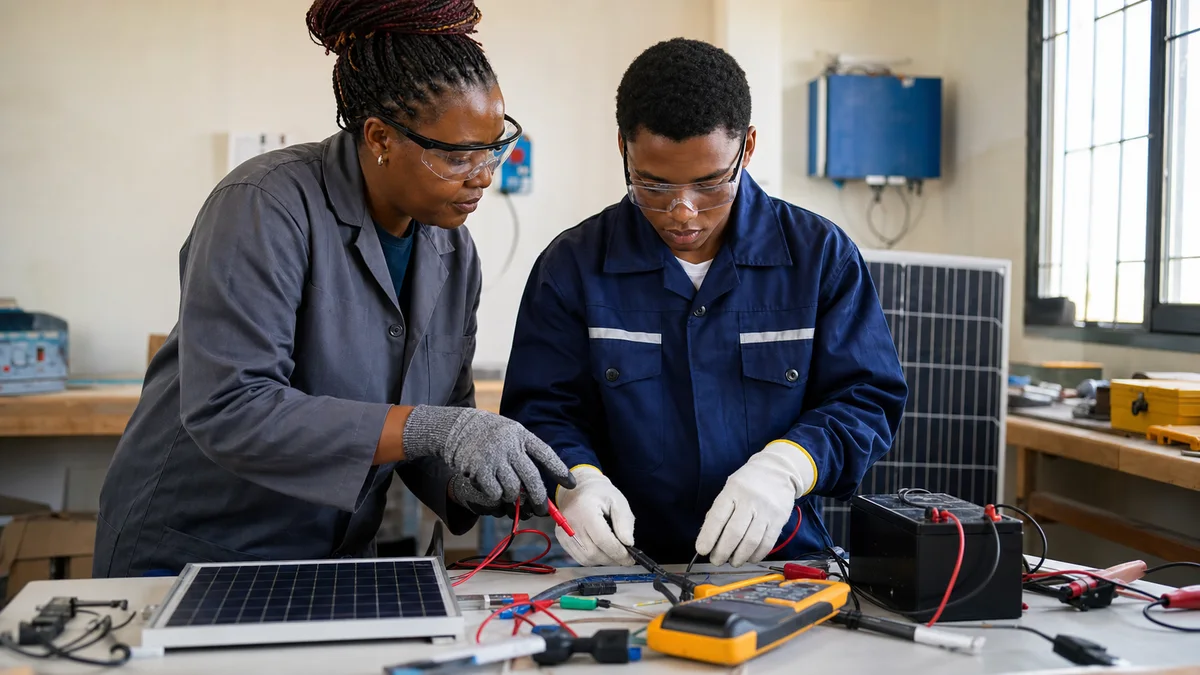
AfDB’s outlook speaks about industrialisation, climate finance and domestic revenue. Those ideas can sound distant, but each has a local version. A factory that trains young workers, irrigation that steadies food prices and cheaper digital payments for small traders all turn policy language into household value.
Investors need the same discipline. A company that enters a city only for cheap labour leaves fragile growth behind. A company that trains workers, buys from local suppliers and uses local services can spread more benefit. Public policy and private capital should be judged by the household outcomes they create.
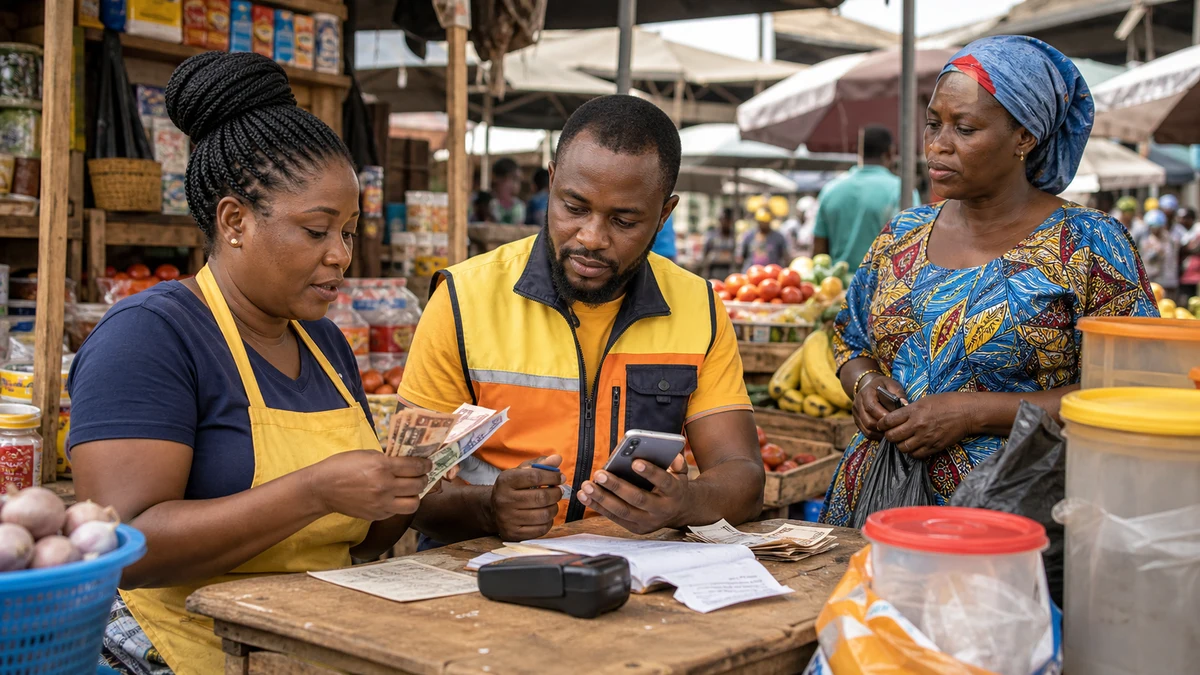
Readers can use a simple economy check. Are jobs appearing? Are food prices stabilising? Are schools and clinics improving? Can small traders get credit without drowning in paperwork? If the answer is yes, the growth number has life in it. If not, the headline remains useful but incomplete. That is why local evidence, not only regional forecasts, should shape the public debate.