
Election-result screenshots need a source-first verification rule
A familiar logo and urgent caption are not substitutes for an official result page and timestamp.

Politics, law and public trust stories explained for everyday readers.
A familiar logo and urgent caption are not substitutes for an official result page and timestamp.
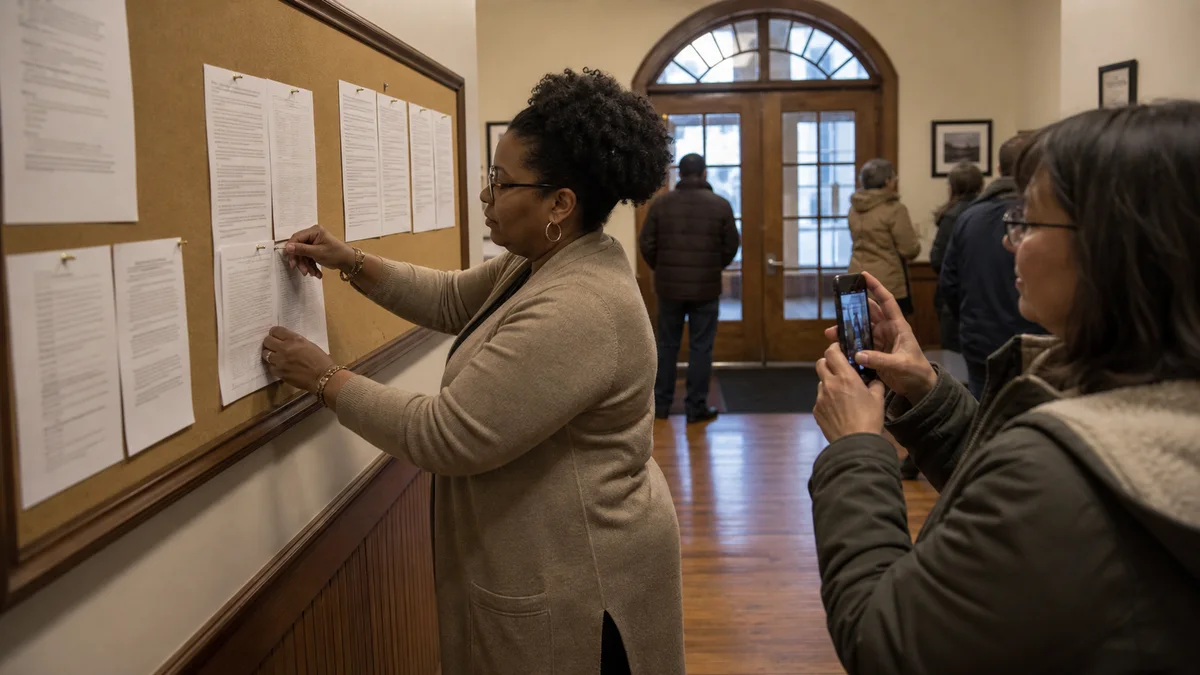
Agendas, decisions and follow-up dates let residents participate even when work or distance keeps them away.

A shorter explanation can help communities follow promises, spending changes and delayed projects.
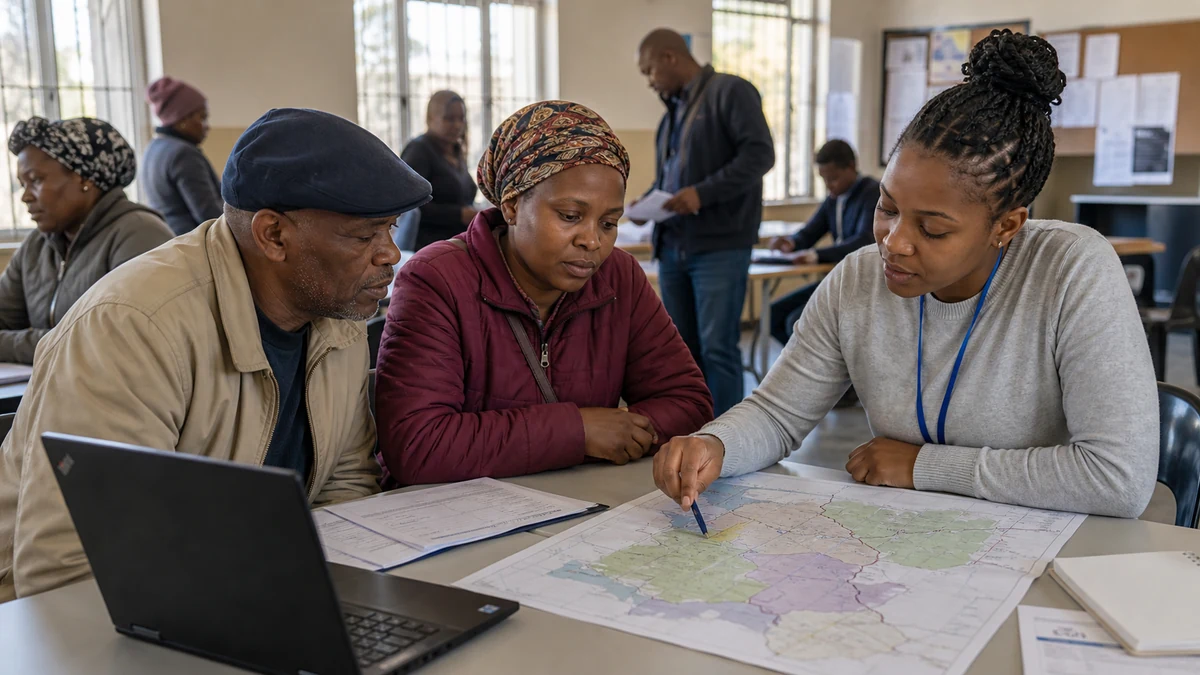
With November 4 set as election day, voters should verify registration, ward details and campaign claims before the noise gets louder.
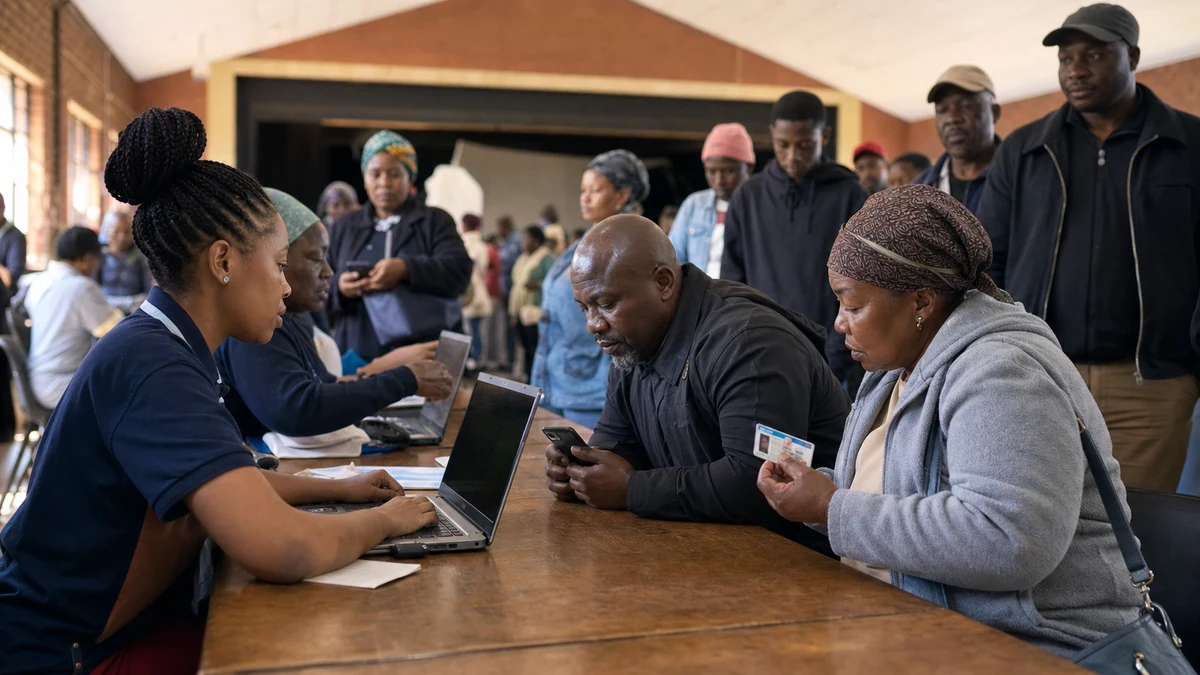
The IEC campaign, online registration and fake-website warnings show why accurate voter information is now part of election infrastructure.

A map that looks official may be old, cropped or missing the status note that changes its meaning.

Results pages and turnout graphics need sources, update times and correction notes before citizens rely on them.
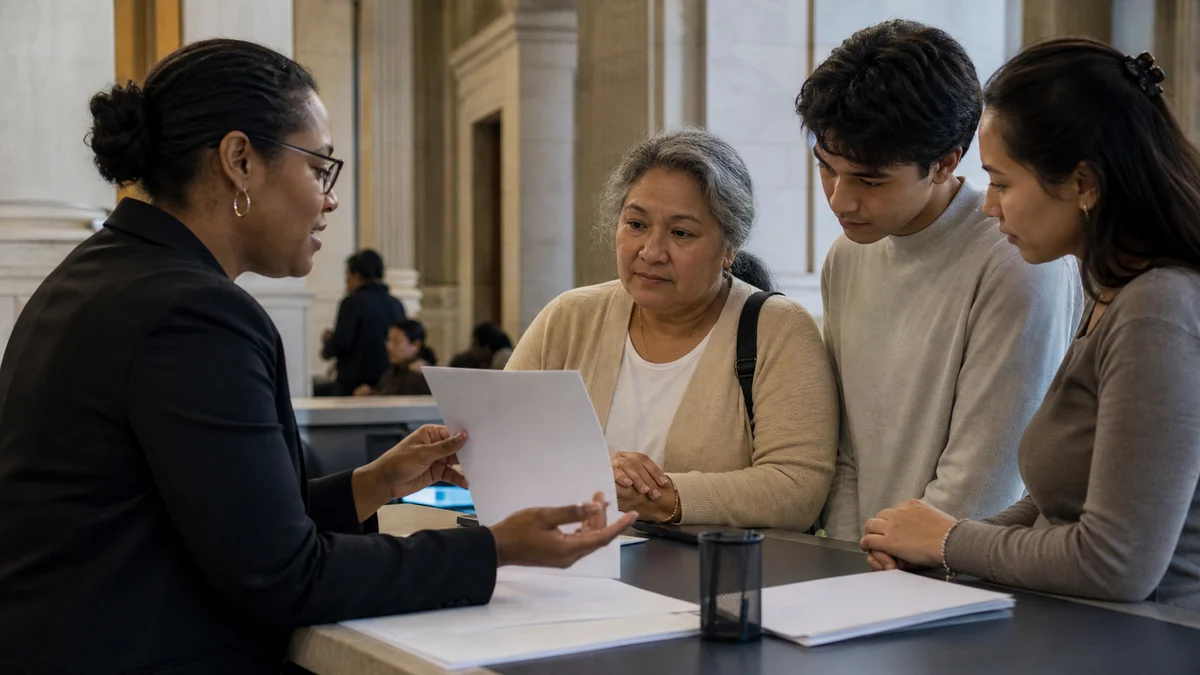
Judgments that explain the decision, its limits and the next step help citizens follow law through political noise.

Young voters need a habit of checking source, date and official confirmation before political claims move into group chats.

When rulings are clear, timely and accessible, the public can understand the law instead of relying on rumors.

Young voters need source checking, official dates and patience before a social media claim becomes a decision.

Citizens abroad can stay connected to national life, but registration, documents and deadlines must be clear early.

Legal independence matters, but public understanding also depends on plain explanations, dates and transparent process.

Digital habits can protect civic trust when readers pause, verify and correct false claims before sharing.
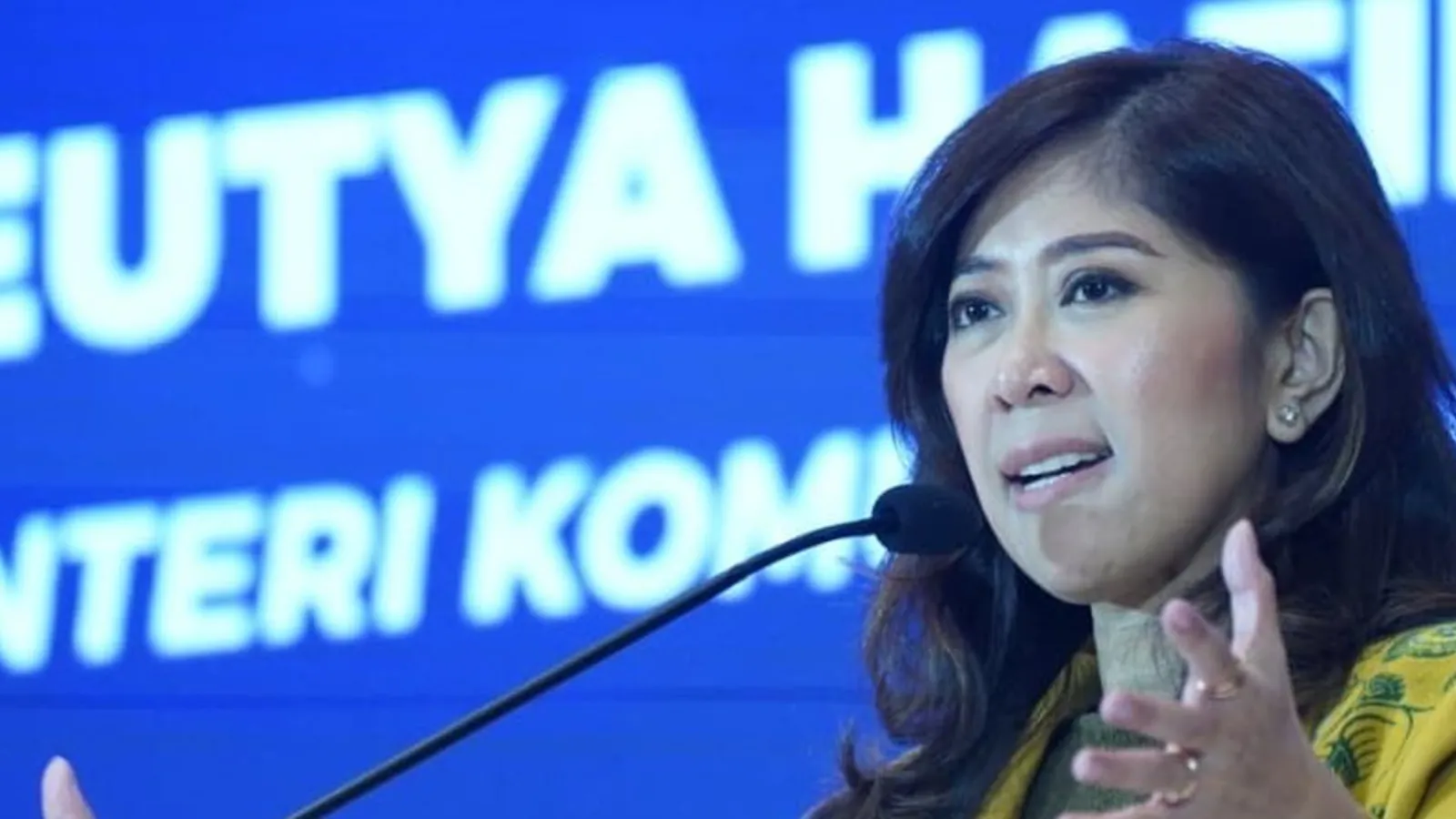
Digital life now shapes politics, education and family life, so young users need to lead with care, facts and respect.
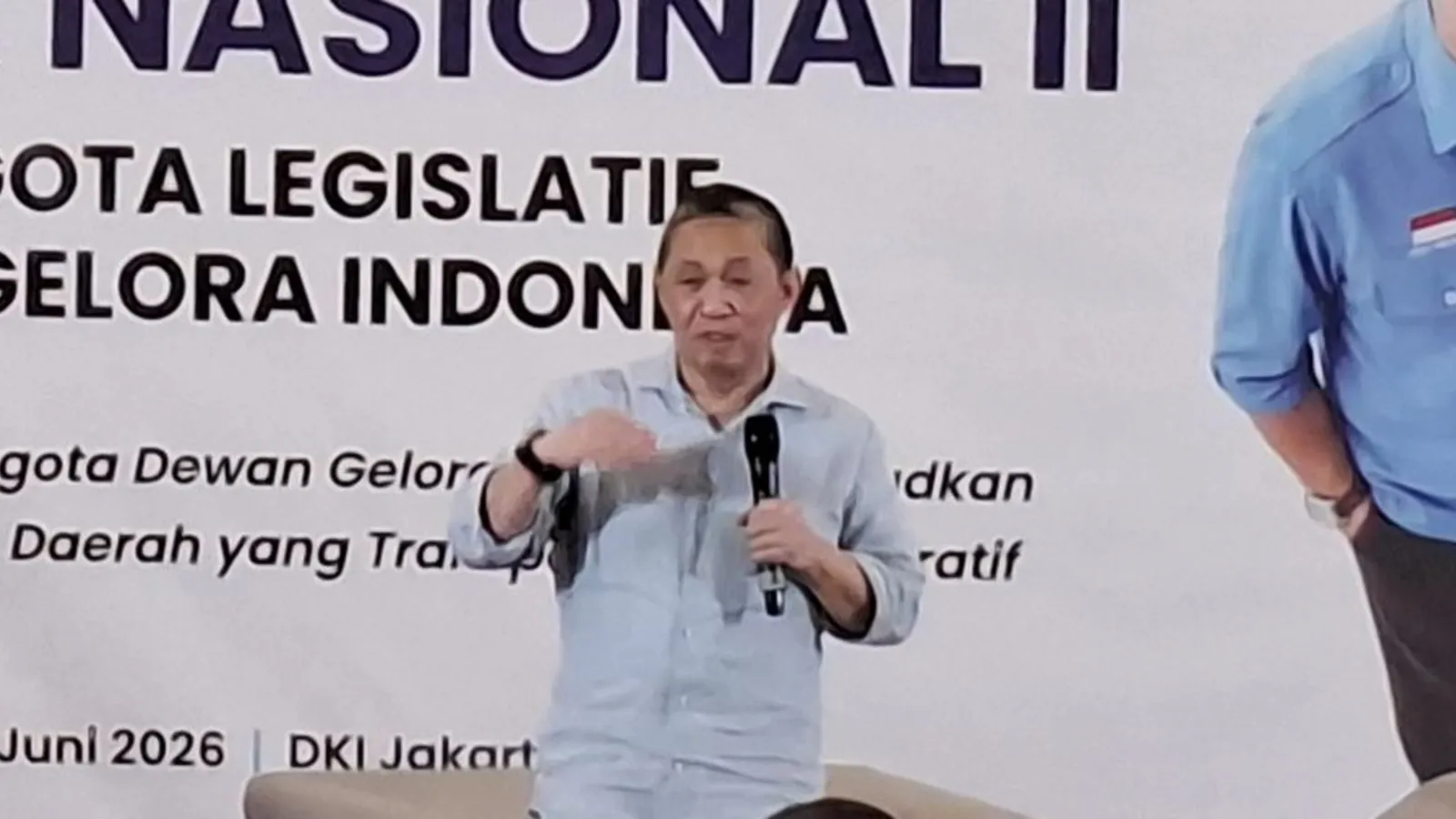
The party argues that political competition becomes fairer when smaller voices are not pushed out by high barriers.

A clean justice system helps citizens, businesses and investors believe that rules will be applied fairly.
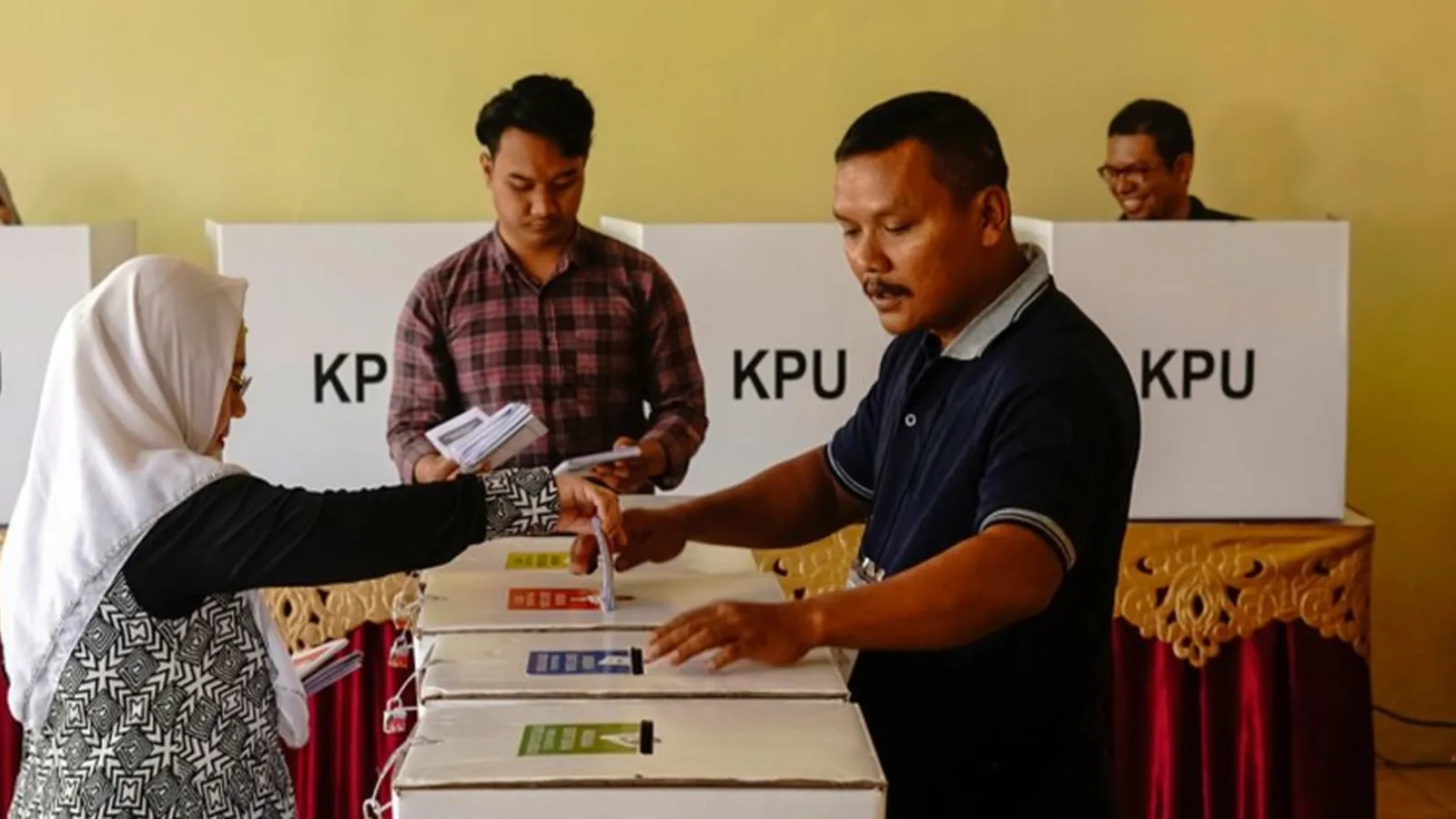
Parties that fail to meet the 30 percent women candidate requirement could face consequences.