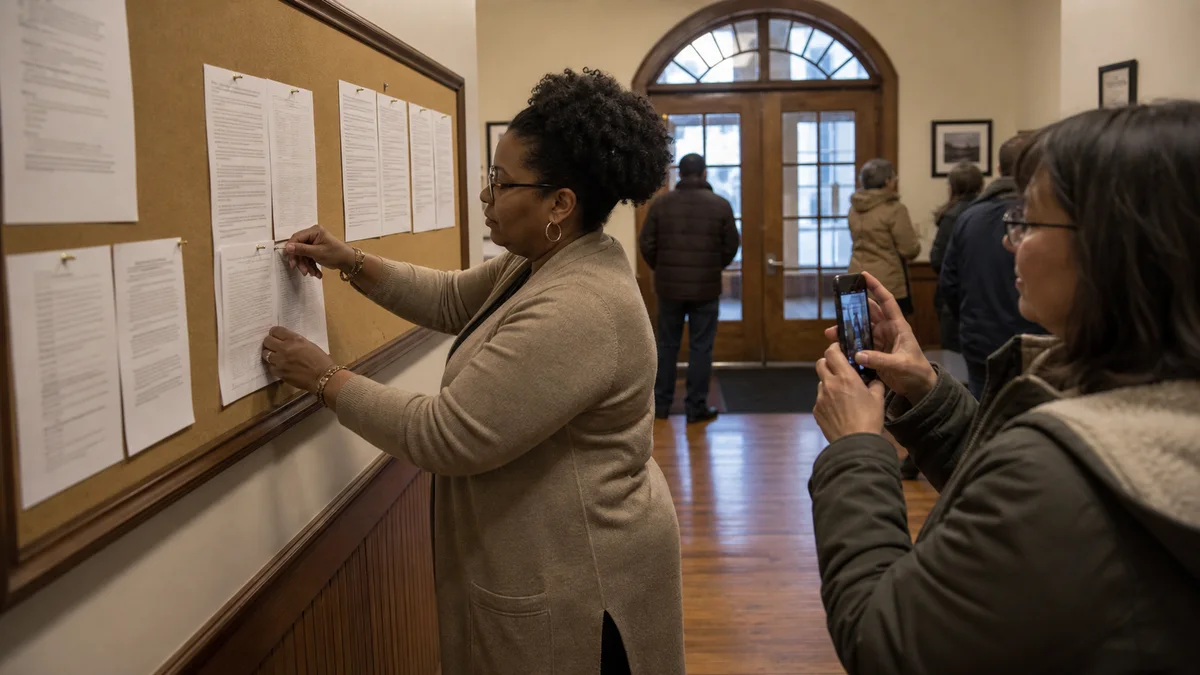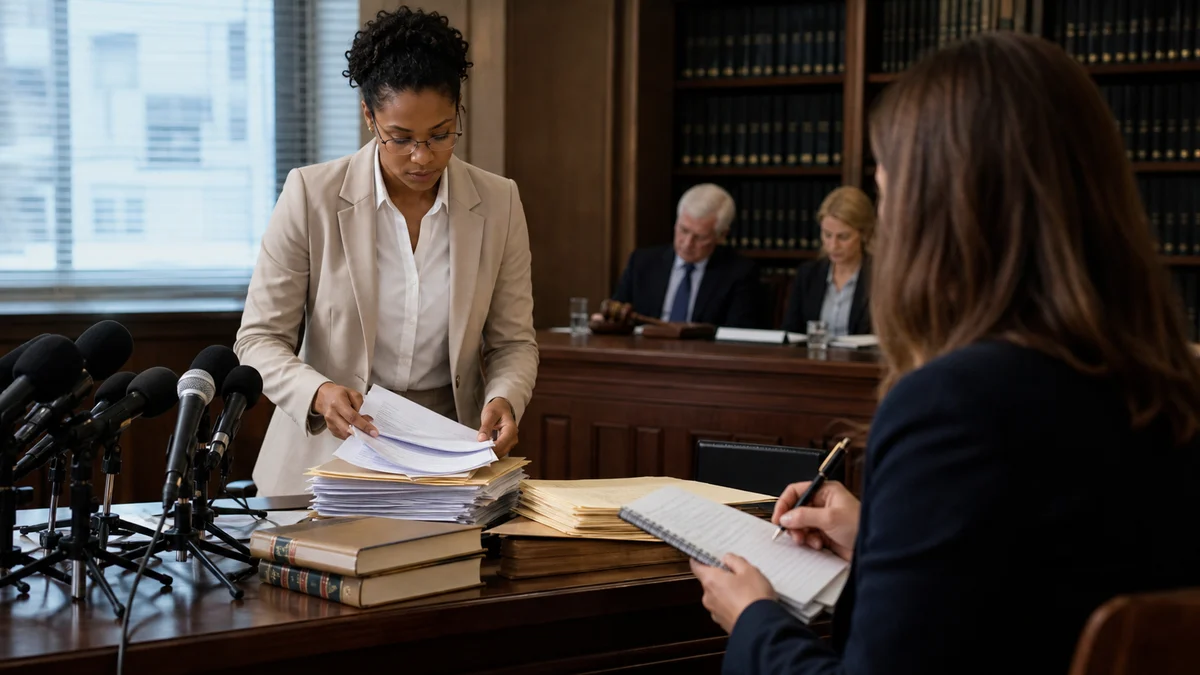
A court ruling may be a legal document, but it is also public communication. If the decision arrives late, the language is dense or no summary is available, rumors can fill the gap. Public trust needs courts to explain what changed, why it changed and what happens next.
Transparency does not mean a judge must be popular. It means the process is traceable. Citizens may disagree with a ruling, but they need to see the evidence, legal reasoning and timeline. When the explanation is visible, political spin has less space.
Journalists and civic groups need reliable access too. Court documents in searchable formats, clear hearing dates and official summaries can improve coverage. They reduce the risk that a wrong quote or half sentence spreads faster than the actual decision.
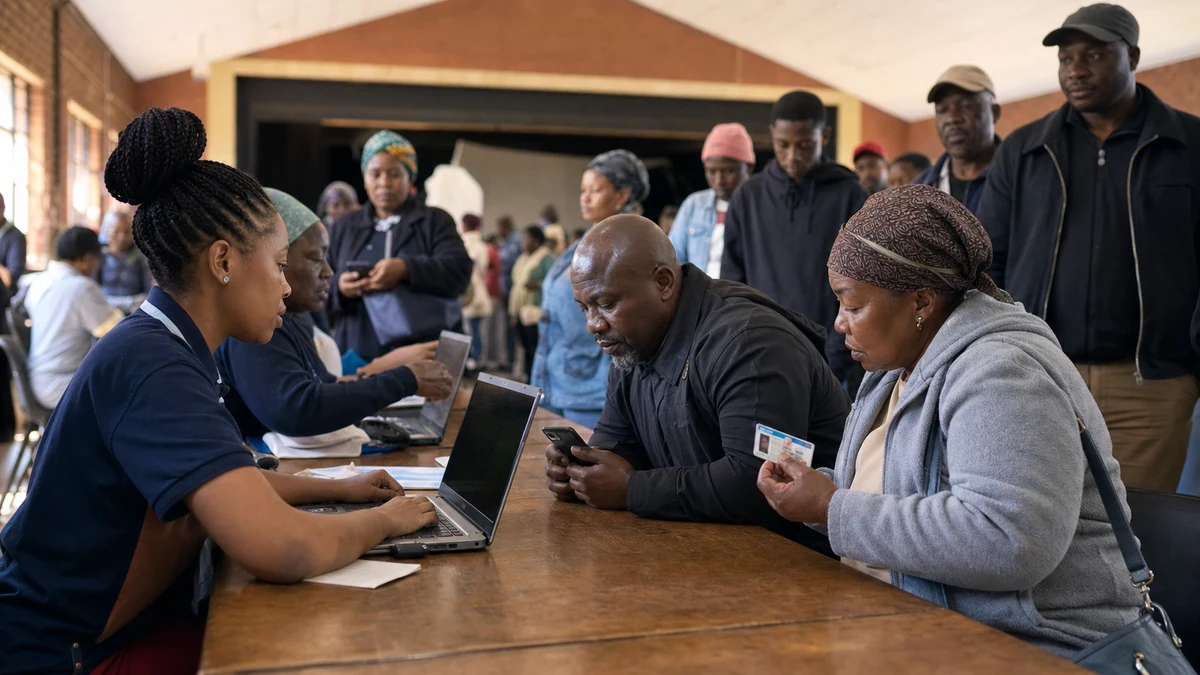
Digital access matters, but it should not be the only answer. Citizens with weak internet or low literacy still need radio explanations, community language support and simple public notes. Rule of law is stronger when ordinary people can understand it.
Public-interest cases need extra care. Election disputes, corruption allegations, land matters and human rights cases can affect trust across society. When courts explain the process clearly, they reduce the fear that decisions are hidden deals.
Court transparency is slow work, but it is public trust built through clarity, consistency and reliable links. When people know where official information lives and can return to it, rumors stop being the first source.
A good public note can be short: what the case was about, what the court decided, what the ruling means for ordinary people and what the next legal step is. That structure does not make complex law falsely simple; it gives citizens a map for reading the issue.
That approach also helps courts themselves. When the official explanation arrives quickly, false summaries and partisan clips have less time to dominate. The public gets a place to return to.