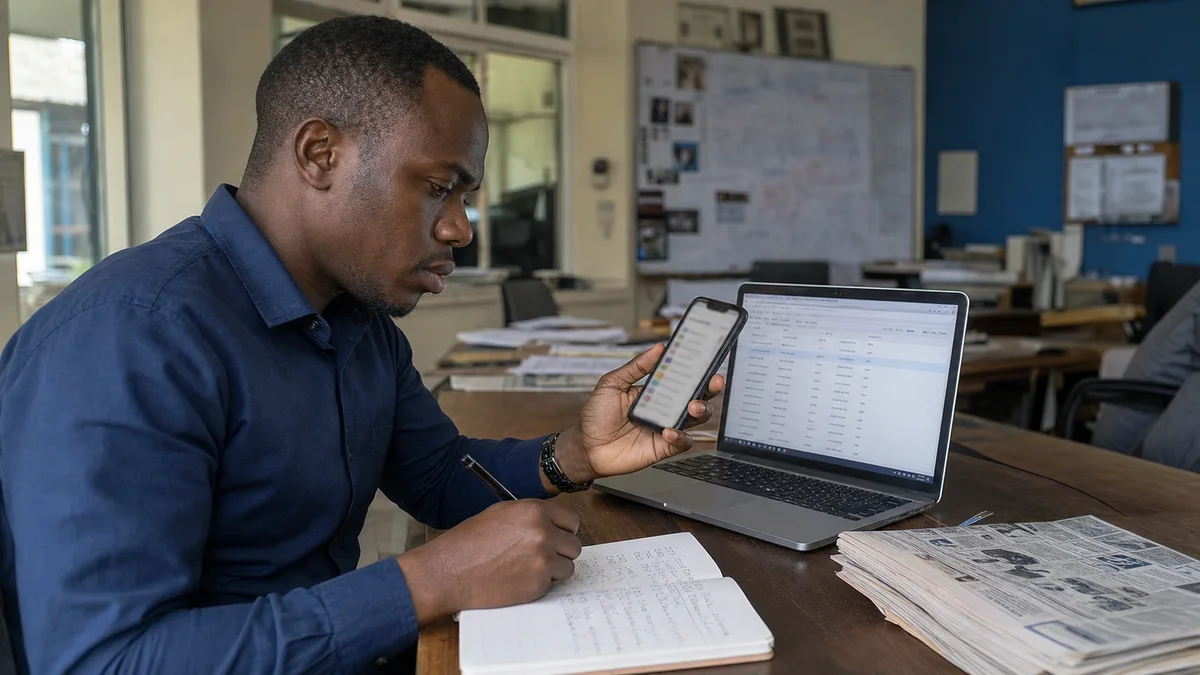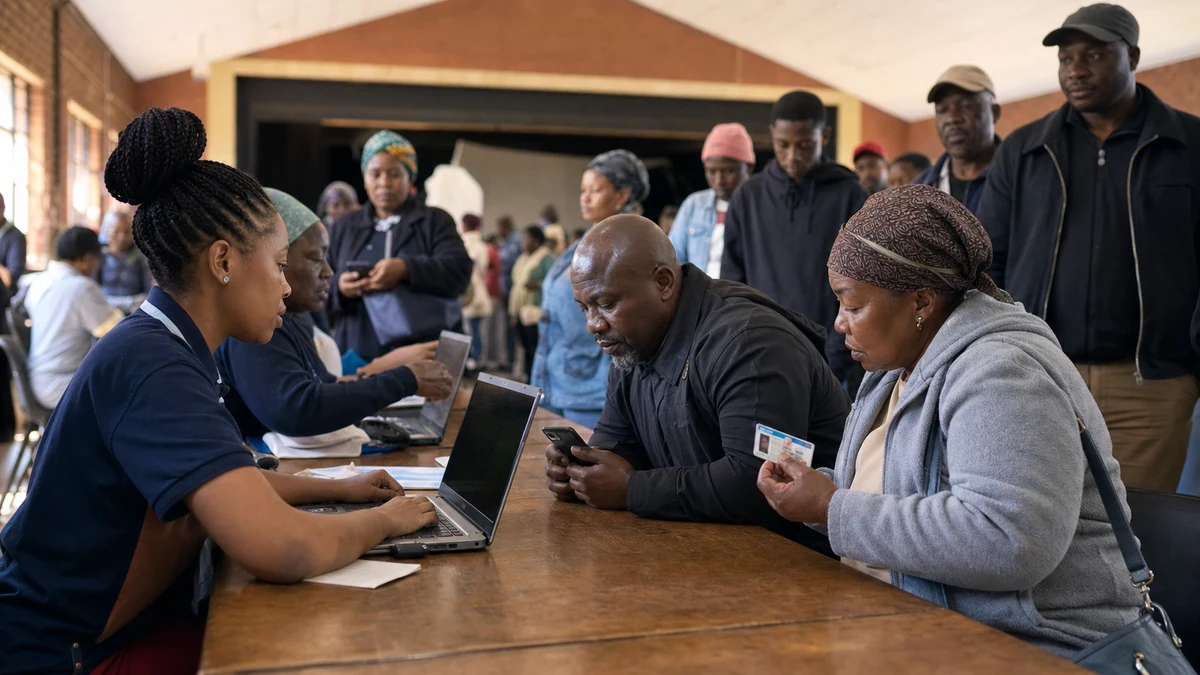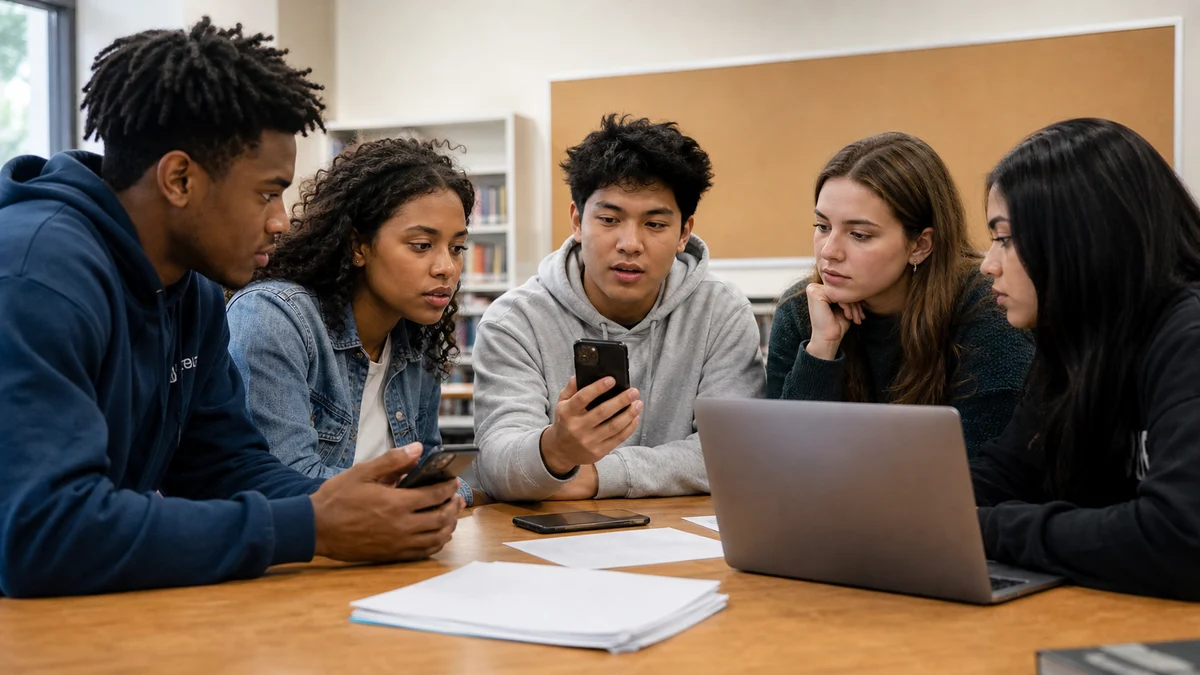
First-time voters often receive political news on a phone before they hear an official explanation. A screenshot, short video, voice note or meme can shape what they believe about a candidate, court case or election body. That is why a small pause before sharing is civic protection, not weakness.
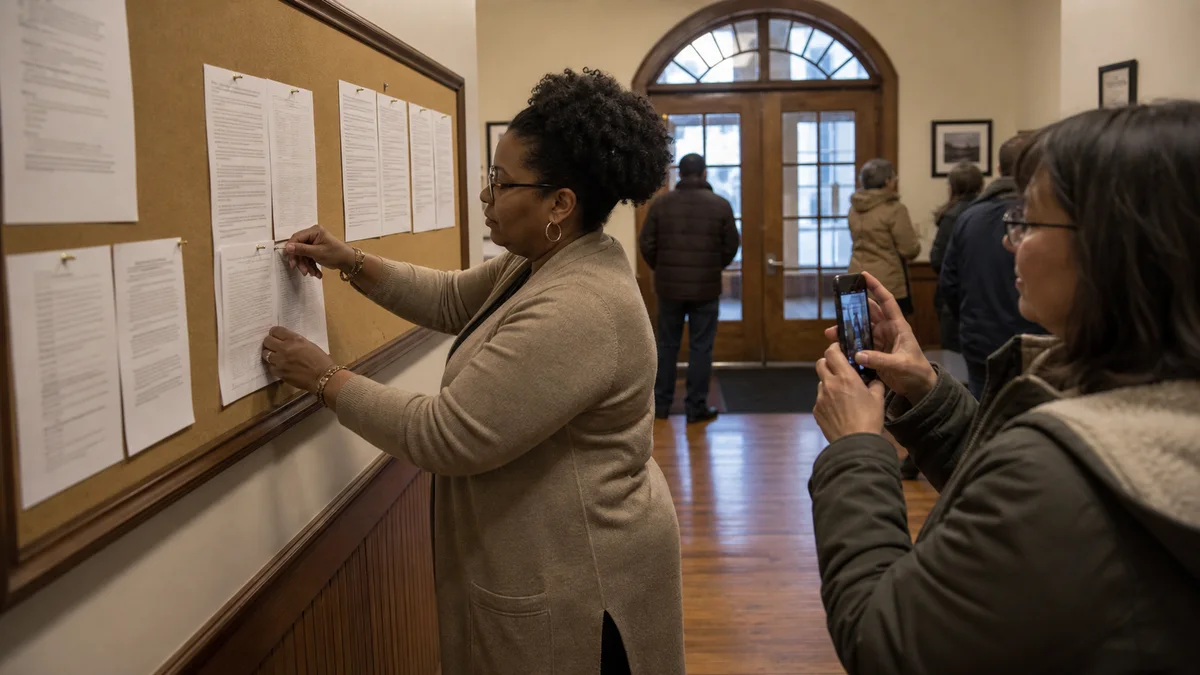
The rumor pause begins with three questions: who said it, when was it said and has a reliable second place confirmed it? If the claim concerns registration dates, polling stations, court rulings or results, the voter needs an official source before sending it into a family group. A wrong date can silence a vote.
Young voters have power because they often act as an information bridge for relatives. They may notice a fake page or recycled video faster than an older family member. Correcting someone calmly is better than shaming them. Public trust grows when people can change bad information without losing dignity.
Political actors also need accountability. Campaigns may benefit from confusion, but democracy needs rules people can understand. When a party, candidate or influencer makes an unclear claim, voters can ask for the source. That question does not make a person an enemy. It shows the vote has value.
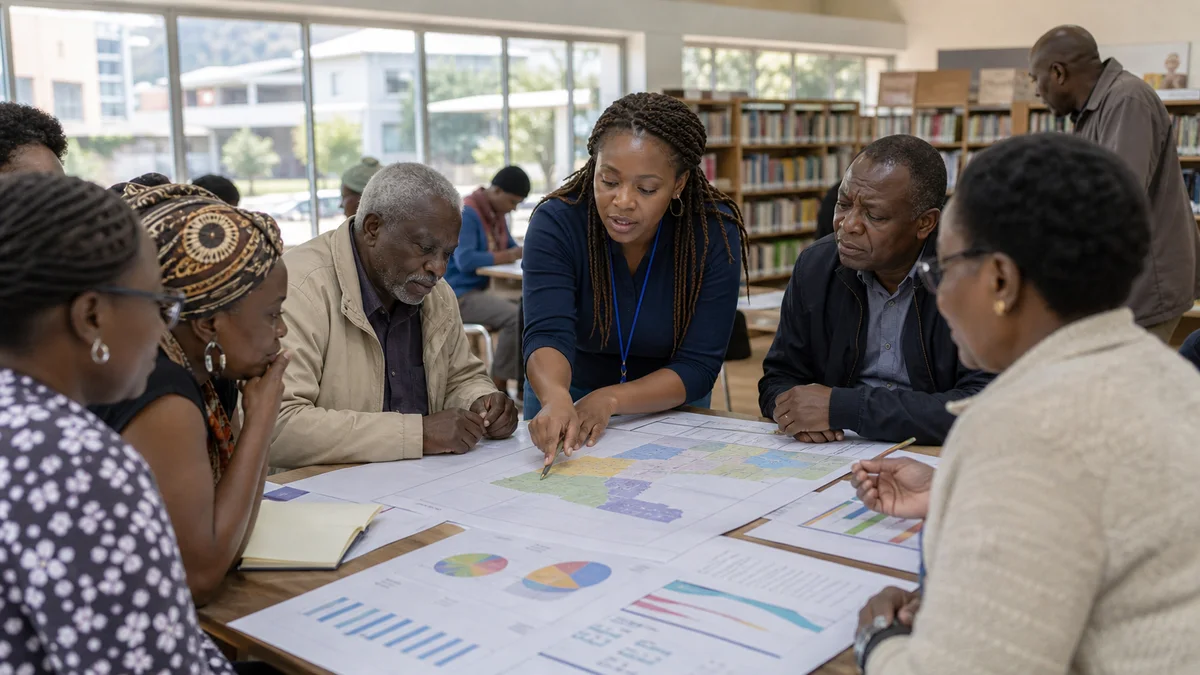
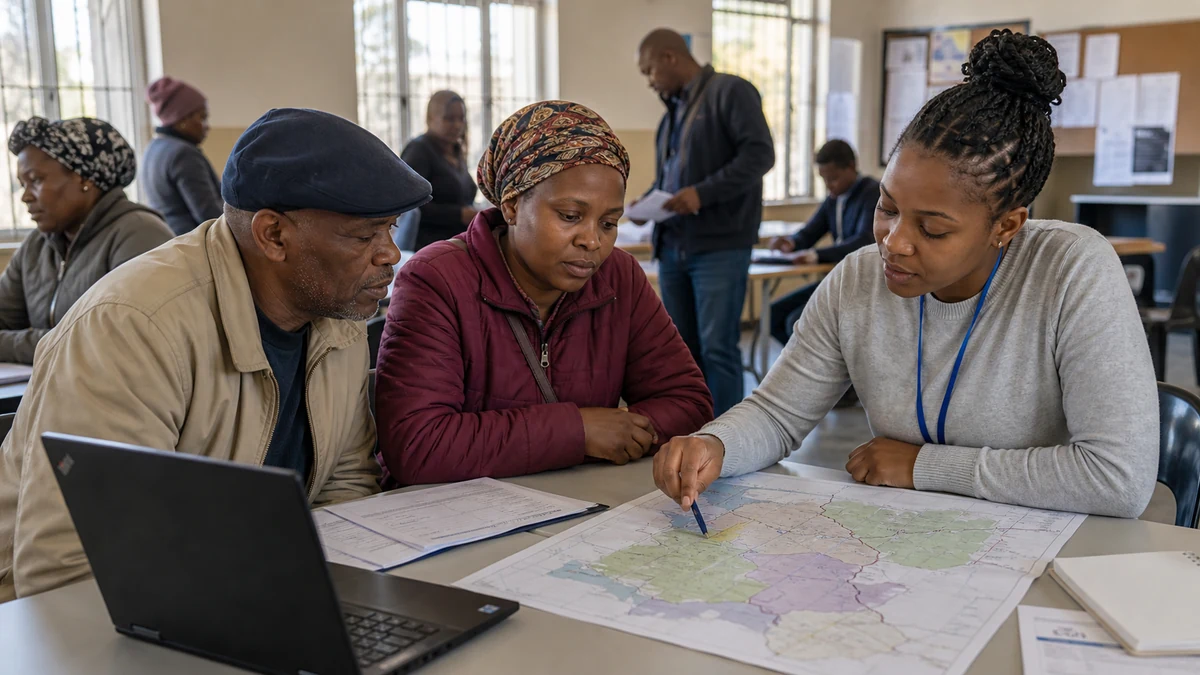
Schools, churches, mosques, creators and local radio can help. Practical examples are stronger than slogans. Show people how an old video returns, how a fake logo works and how to compare one claim with an election body page. Civic education needs to become an everyday skill.
Election day begins before the ballot box opens. It begins when voters learn that information hygiene protects the vote. First-time voters who pause, check and then share can reduce panic, protect family conversations and help public trust stand on facts.
One personal rule can help: when a claim brings anger or fear, wait ten minutes before sharing. That short delay gives the mind time to check the source. Democracy is often protected by small habits that people repeat.