South Africa’s local government elections are set for November 4, 2026, according to the Electoral Commission. These elections sit closest to everyday life because ward councillors and municipalities touch refuse collection, water, roads and local permits. That makes trusted information essential before campaigning becomes louder.
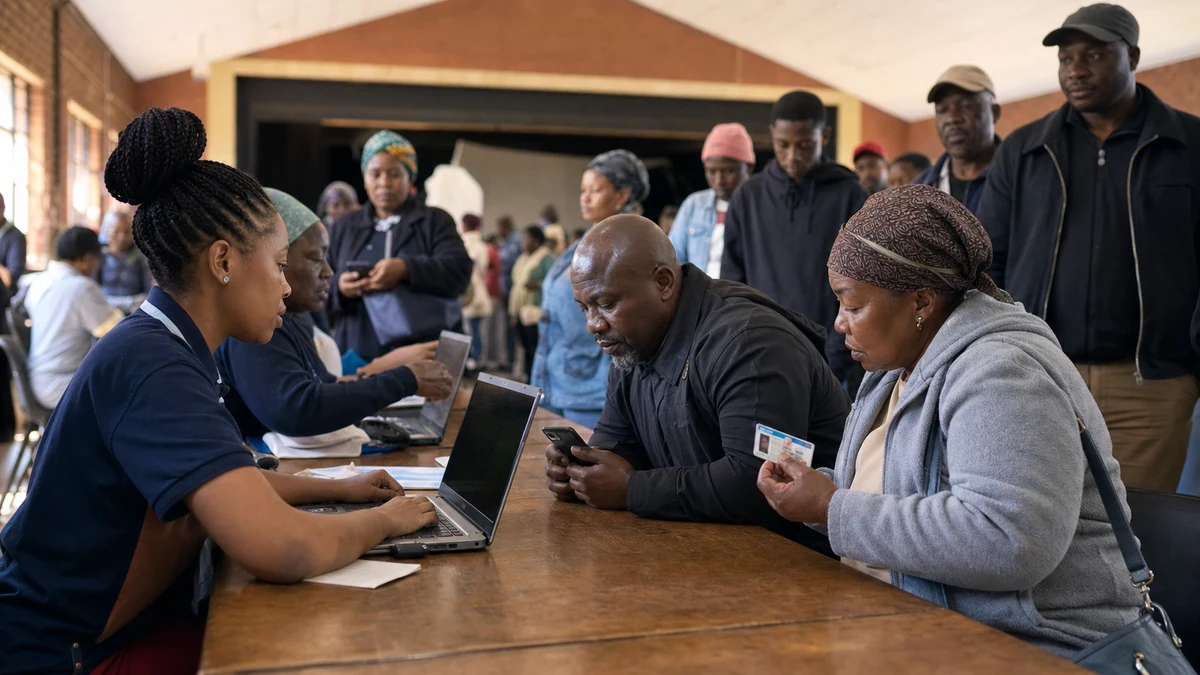
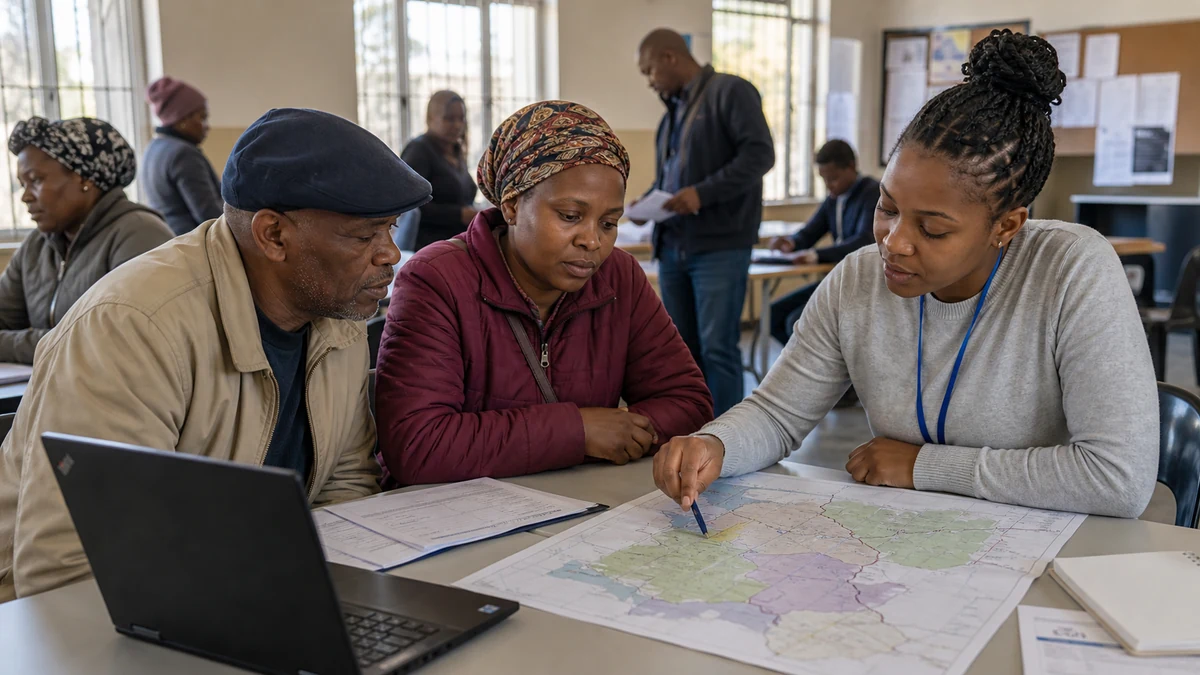
The commission’s campaign material says voters can still check their registration and address before the voter roll closes after the formal proclamation. That small detail can decide whether someone votes in the correct ward. Address errors should be handled early, not during election week.
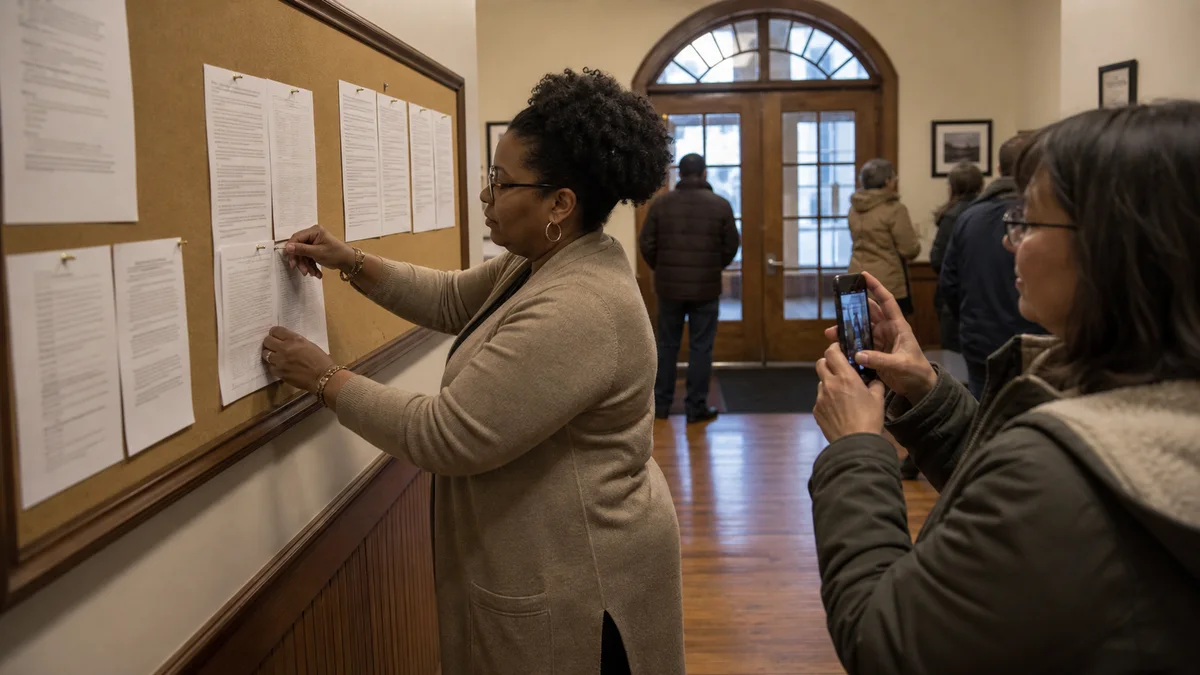
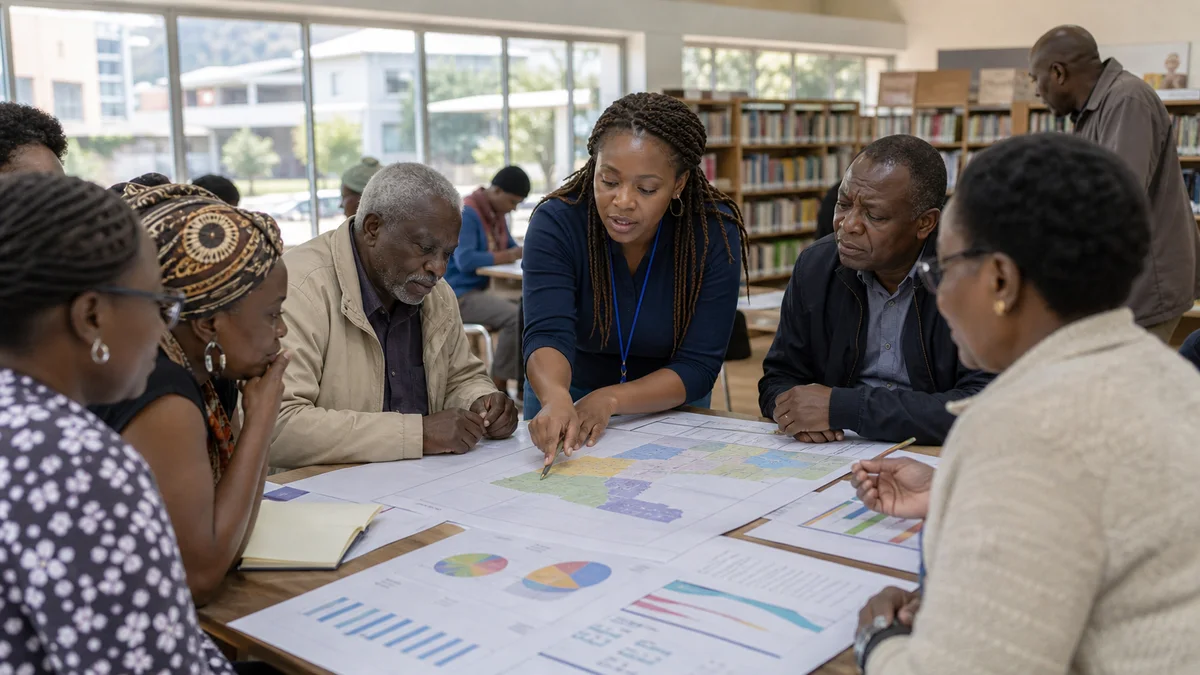
False claims can spread through ward maps, candidate lists, polling dates and service-delivery promises. SAnews and government information pages have warned about election falsehoods. The useful reader habit is simple: check the commission, check the municipality, check the party page and do not let one screenshot decide.
Ward politics also requires local memory. Voters can compare a new promise with what was said in the last term, what was delivered and what the municipal budget can actually support. A promise without a budget, timeline or responsible office may be campaign sound rather than a service plan.
Journalists and community pages can help by publishing clear tables. Candidate name, ward number, registration deadline, polling-station link, manifesto point and budget source should be easy to find. When information appears in one stable format, social media confusion loses some of its force.
A local election is democracy at street level. It is not only a national speech. It is the drain that gets repaired, the streetlight that works, the clinic queue and the school road. If a voter knows the ward, confirms the registration and checks promises twice, November 4 can become a decision day instead of a confusion day. The checklist is boring on purpose, because clarity protects the vote. A public link is better than a forwarded rumour.